
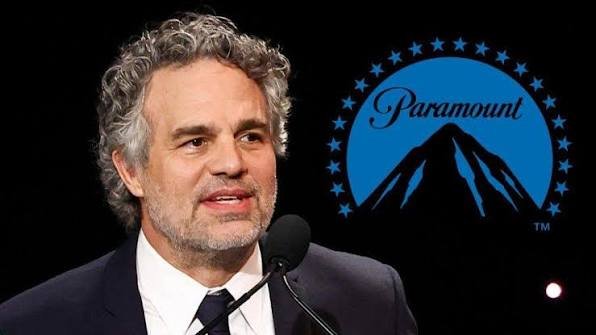

Mark Ruffalo says his criticism of Paramount’s Warner Bros. Discovery deal targeted political and corporate actions, not Jewish people.
LOS ANGELES: Actor Mark Ruffalo has rejected Paramount’s accusation that his criticism of the company’s proposed acquisition of Warner Bros. Discovery invoked antisemitic tropes, saying his remarks were directed at political and corporate actions rather than Jewish people.
Ruffalo responded after Paramount criticized comments he made about the $111 billion transaction and the Ellison family’s business interests, including Oracle’s technology contracts involving the Israeli military. Paramount said it was concerned that antisemitic tropes were being invoked in connection with a business dispute.
“The accusation that I am antisemitic is appalling and fundamentally dishonest,” Ruffalo wrote on X. He argued that criticizing the actions of Israeli Prime Minister Benjamin Netanyahu, a military technology contract or executives involved in supplying such technology should not be equated with criticism of Jewish people.
Ruffalo said his views stem from his political convictions and stressed that they should not be interpreted as hostility toward Jewish people. He also pointed to what he described as his deep love and respect for Jewish people and the influence of Jewish friends, colleagues and loved ones throughout his life.
Paramount, meanwhile, said it does not tolerate prejudice but maintained that Ruffalo’s remarks crossed a line by invoking terms it considered antisemitic in the context of the merger debate.
The dispute has added a political dimension to an already contentious transaction. Paramount Skydance agreed to acquire Warner Bros. Discovery for $31 per share, valuing the company at about $81 billion in equity value and $110 billion in enterprise value.
Ruffalo has been a vocal opponent of the deal, raising concerns about media concentration, employment, editorial independence and the influence of powerful technology and financial interests on the entertainment industry.
In April, Ruffalo joined attorney Norm Eisen in efforts urging state officials to challenge the takeover on antitrust grounds. More than 5,000 entertainment industry professionals have also signed an open letter opposing the merger.
The transaction is facing legal challenges from 12 U.S. states, which argue that the combination could reduce competition in the entertainment industry. The proposed merger would bring major properties and networks under a single corporate structure.
Ruffalo has also called for greater scrutiny of potential national security implications, arguing that regulators should address those concerns before the deal proceeds.
“Lawmakers on both sides of the aisle have called for serious national security review,” Ruffalo said, adding that the merger should not move forward until those concerns receive a clear public response.
About The Author