

New York Times report says Iran’s hard-line elements allegedly attacked commercial vessels in the Strait of Hormuz without prior approval from the country’s top political and military leadership.
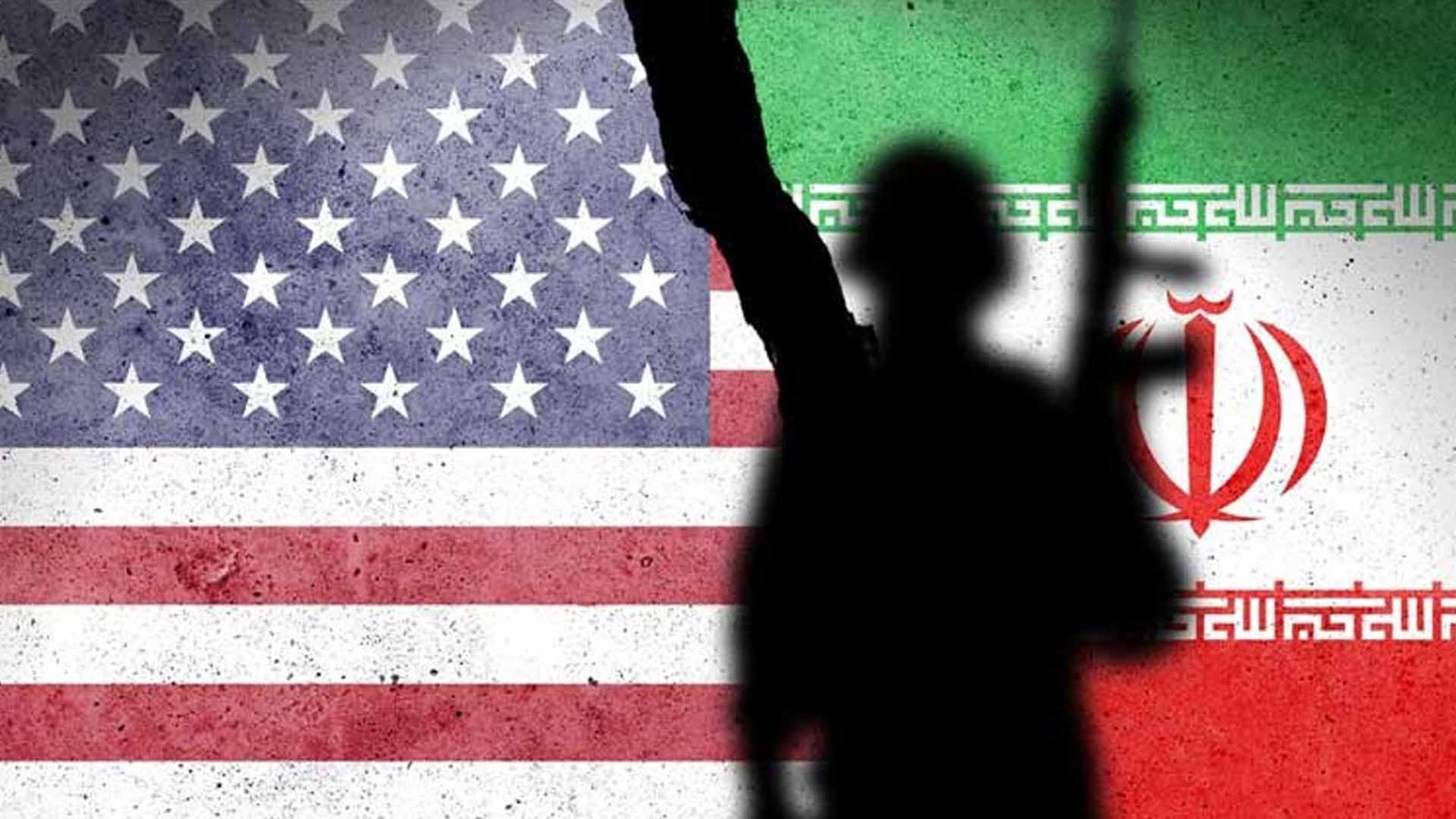
WASHINGTON: Iran’s hard-line elements allegedly sabotaged a peace agreement reached between Tehran and the United States in June by attacking commercial vessels in the Strait of Hormuz without authorization from the country’s senior political and military leadership, The New York Times reported.
According to the U.S. newspaper, the attacks took place overnight on July 6-7 in the strategic waterway. Three commercial vessels were reportedly damaged during the operation, including a liquefied natural gas (LNG) tanker from Qatar.
The report said the attacks triggered a renewed escalation between Iran and the United States. Following the incidents, Washington resumed air operations against Iran and imposed additional sanctions, further intensifying tensions between the two countries and contributing to a new cycle of retaliatory actions.
Iranian leadership allegedly unaware
The New York Times, citing sources, reported that Iran’s senior political and military leadership had no advance knowledge of the attacks in the Strait of Hormuz.
The newspaper said the operation was allegedly carried out by elements linked to Iran’s hard-line faction and did not have approval from the country’s top leadership. The claims have not been independently verified.
The report also highlighted an apparent divide between political efforts to reduce tensions through negotiations and the actions of hard-line elements opposed to such efforts.
Pezeshkian reportedly angered
According to the report, Iranian President Masoud Pezeshkian was angered by the attacks on commercial vessels in the Strait of Hormuz.
At the time, Pezeshkian was in Iraq in connection with the funeral of Iran’s late Supreme Leader, Ayatollah Ali Khamenei, according to the report. After being informed of the incident, he reportedly returned to Tehran to assess the situation and seek an explanation from those responsible.
IRGC chief questioned
Sources cited by The New York Times said that after returning to Tehran, Pezeshkian contacted Ahmad Vahidi, the commander of Iran’s Islamic Revolutionary Guard Corps, by telephone.
The report said the Iranian president sought an explanation over the attacks and asked who had authorized targeting commercial vessels in the Strait of Hormuz.
Vahidi, according to the report, denied authorizing the operation and said he had no prior knowledge of the attacks.
The reported incident has raised questions about the influence of competing power centers within Iran and the extent to which hard-line elements can affect the country’s diplomatic efforts.
About The Author