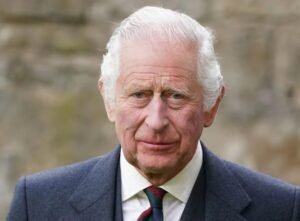


King Charles signals support for Commonwealth countries choosing republican status as debates over colonial history and slavery reparations intensify.
LONDON: King Charles has indicated that he would accept any Commonwealth country’s decision to replace its constitutional monarchy with a republic, signalling a flexible approach to the future of the British monarchy in member states.
The King’s position was outlined by a senior royal aide following his recent tour of the Caribbean, where discussions over slavery reparations, British colonial history and the monarchy’s future featured prominently.
During the visit, Charles acknowledged what he described as the “darkest chapter of the past” but stopped short of issuing a formal apology for Britain’s historical role in slavery. The UK government has also maintained a firm position against making such an apology.
The Caribbean tour renewed attention to the constitutional relationship between Britain and several Commonwealth nations, some of which have been considering whether to remove the British monarch as their head of state.
According to the senior royal aide, Charles would not oppose any country choosing to make that change. The aide said the King and the royal family were prepared to continue serving the people of those nations only for as long as they wanted them to do so.
The position also extends to changes in constitutional arrangements, including replacing the office of governor-general with that of president. Such a move is among the most visible institutional changes associated with a country becoming a republic.
The comments suggest that the King recognises the right of Commonwealth nations to determine their own constitutional futures rather than maintaining the monarchy against their wishes.
The royal aide also highlighted the increasingly important diplomatic role Charles has assumed during visits involving politically sensitive issues. According to the aide, a pattern is emerging in which the British government asks the monarch to undertake engagements where historical and political sensitivities require careful handling.
The aide described the Caribbean tour as exhausting but successful, adding that Charles had demonstrated his ability to manage challenging diplomatic responsibilities.
The debate comes as several Commonwealth countries continue to examine the legacy of British colonial rule, the historical impact of slavery and calls for reparations. These issues have contributed to wider discussions about the monarchy’s place in countries where the British sovereign remains the constitutional head of state.
Charles’s reported position indicates that he is willing to accept constitutional change if individual Commonwealth nations decide that republican government better reflects their national aspirations.
About The Author