

Pakistan’s rising domestic and external debt servicing costs are putting pressure on public finances, with interest payments projected to reach Rs10 trillion by fiscal year 2030-31.
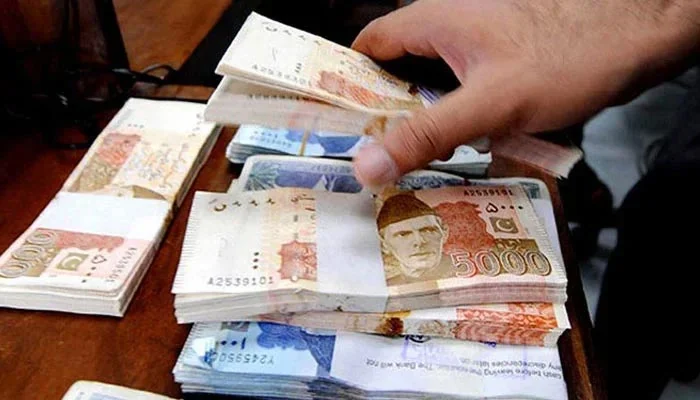
Pakistan’s interest payments on public debt are projected to reach Rs8 trillion during the current fiscal year, exceeding defence and development expenditures and placing increasing pressure on the country’s finances, according to a report published Thursday.
The rising cost of servicing domestic and external debt is consuming a substantial share of government revenue, leaving fewer resources available for public services, infrastructure projects and economic development. The growing burden has emerged as a significant challenge for fiscal planning as the government seeks to balance debt obligations with other spending priorities.
According to the report, annual interest payments could rise further to Rs10 trillion by fiscal year 2030-31. The federal government is expected to be left with only Rs3 trillion after meeting its debt-servicing obligations, highlighting the constraints on its capacity to finance public expenditure.
The projected increase reflects the pressure created by Pakistan’s expanding debt stock and the cost of meeting obligations on domestic and foreign borrowings. As interest payments rise, a larger portion of available resources must be allocated to servicing existing debt rather than financing new development initiatives or strengthening essential public services.
Debt servicing has already surpassed both defence and development spending, according to the report. The trend underscores the growing share of the national budget devoted to interest payments and the challenges facing policymakers as they attempt to manage public finances.
The burden is expected to remain elevated over the medium term despite government efforts to reduce fiscal deficits through measures involving the provinces. A substantial share of national resources is likely to continue going toward interest payments, limiting the funds available for other government priorities.
Higher debt-servicing costs can constrain investment in infrastructure, education, health care and other public services. They can also make budget planning more difficult by reducing the resources available for development projects and other spending commitments.
The expected rise in interest payments presents a challenge for the government as it works to manage borrowing costs, improve revenue collection and reduce fiscal pressures. The scale of future debt obligations will remain an important factor in determining how much funding is available for public investment and essential services.
Pakistan’s ability to manage these pressures will depend on its efforts to strengthen revenues, control borrowing costs and contain the burden of debt repayments. Without effective measures to address these challenges, debt servicing is likely to remain a major constraint on the country’s economic planning and fiscal flexibility.
The figures cited in the report point to the importance of managing public debt while preserving sufficient resources for development and essential government functions. However, the projections for 2030-31 remain estimates rather than confirmed future expenditures.
About The Author