

IMF reviews Pakistan’s proposed electricity tariff overhaul, warns burden must not fall on vulnerable households
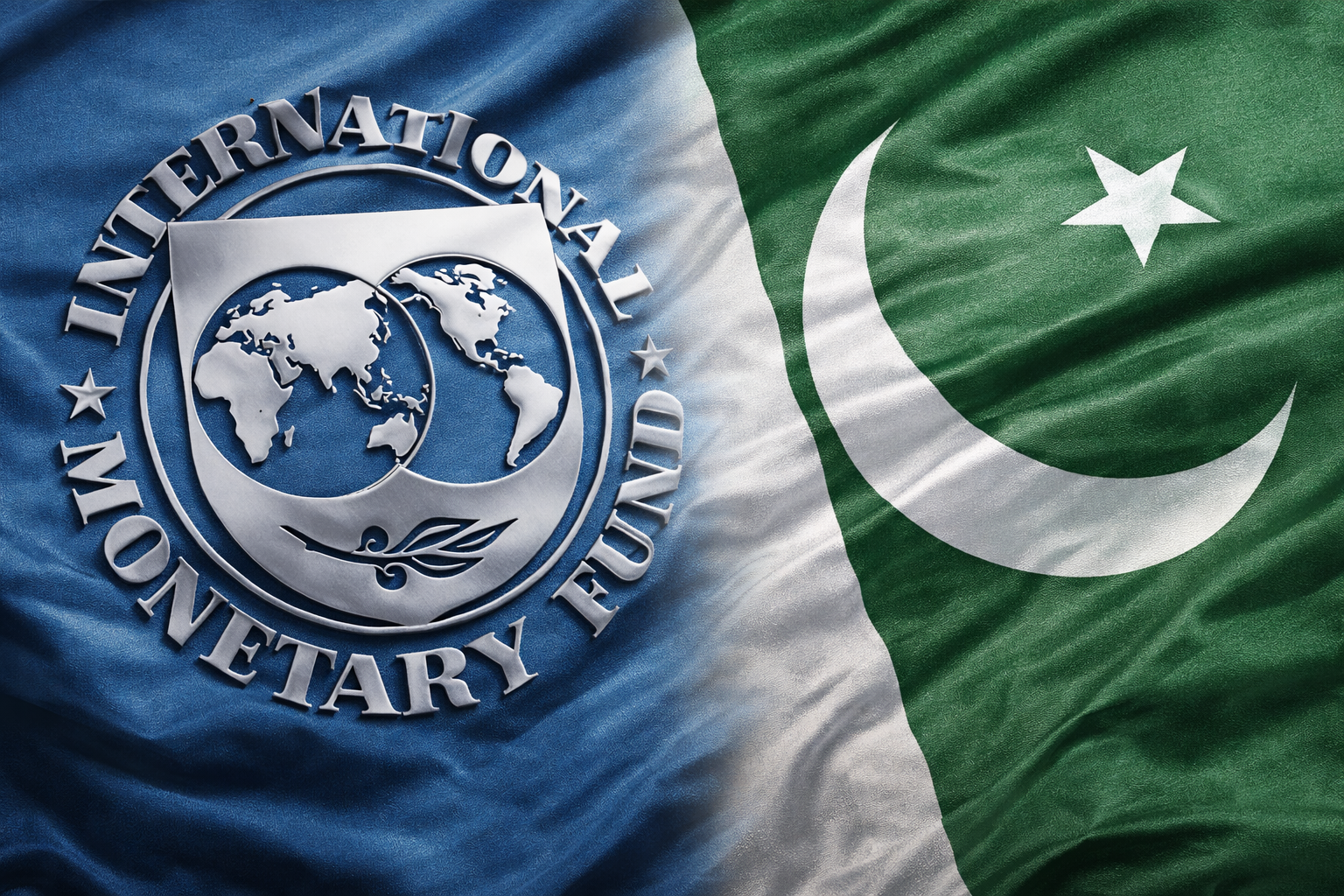
The International Monetary Fund said it is in discussions with Pakistani authorities over proposed electricity tariff revisions, stressing that any changes must not disproportionately affect middle- and lower-income households.
Pakistan has proposed a sweeping overhaul of electricity pricing under its $7 billion Extended Fund Facility (EFF), a longer-term IMF lending program aimed at stabilizing economies facing structural imbalances. The Fund said it is assessing whether the revisions align with programme commitments and evaluating their potential impact on inflation and broader macroeconomic stability.
Analysts warn the changes could raise inflation by about 1.1 percentage points over the next year, even as industrial tariffs may fall between 13% and 15%. Electricity holds significant weight in Pakistan’s consumer price index, making adjustments politically sensitive despite inflation easing to 5.8% from nearly 40% in 2023.
The reforms aim to curb chronic circular debt in the power sector, which has been partially contained under IMF-backed measures. However, consultancy estimates suggest middle-class households could face steep increases due to new fixed charges.
The National Electric Power Regulatory Authority has also revised rooftop solar compensation rates, prompting Prime Minister Shehbaz Sharif to order a review to prevent cost transfers to grid consumers.
About The Author