

Further negotiations planned as both sides review fiscal gaps, tax targets and regional geopolitical risks affecting Pakistan’s economy.
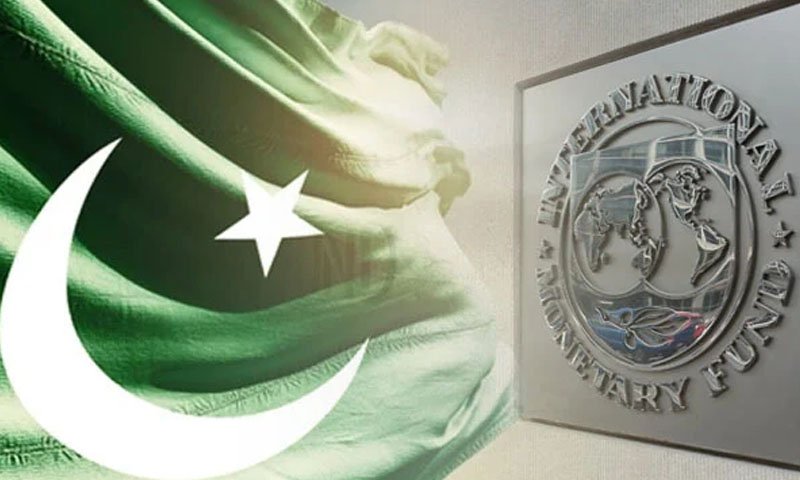
Pakistan and the International Monetary Fund (IMF) have agreed to extend negotiations on the third review of the country’s $7 billion Extended Fund Facility (EFF) after talks ended without reaching a staff-level agreement.
In a statement issued after the discussions, the IMF said “considerable progress” had been made but noted that further dialogue was required to assess fiscal targets and the potential economic fallout from ongoing regional tensions, particularly the conflict involving Iran.
The review is critical for Pakistan, as the IMF executive board must approve it before releasing the next $1 billion tranche under the bailout program.
Negotiations that began on February 26 focused on fiscal policy, economic reforms and Pakistan’s macroeconomic outlook. The IMF mission, led by Iva Petrova, initially held meetings in Karachi but returned early due to regional security concerns tied to rising Middle East tensions. Remaining discussions continued virtually from Türkiye.
Key disagreements reportedly center on Pakistan’s fiscal projections. Islamabad had committed to generating a primary budget surplus of about Rs3.15 trillion, but officials now acknowledge the target may be missed.
Questions also remain over tax collection. The Federal Board of Revenue’s revised Rs13.98 trillion target could fall short, with authorities seeking a further reduction to around Rs13.5 trillion after missing interim goals.
Energy sector reforms remain another sticking point. The IMF rejected Pakistan’s proposal for Rs990 billion in electricity subsidies, urging the government to keep the figure below Rs800 billion while limiting additional power-sector circular debt.
Both sides will continue discussions in the coming days, aiming to finalize a staff-level agreement before the IMF’s next mission expected around May, when talks on Pakistan’s upcoming federal budget are also scheduled.
About The Author