

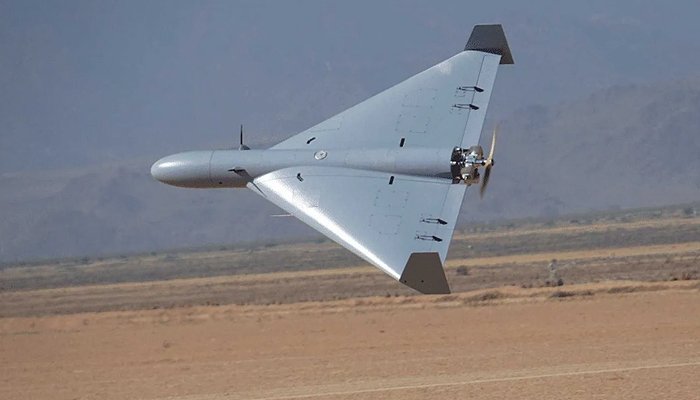

Iranian made Shahid drones are emerging as a significant threat in the ongoing Middle East conflict, combining low production costs with high destructive capability. According to international reports, these drones have caused widespread damage despite being relatively inexpensive compared to conventional military systems.
One of the key strengths of Shahid drones lies in their advanced navigation systems. While they initially rely on GPS to identify and store target locations, they are capable of continuing their mission even when GPS signals are jammed. This is made possible through an Inertial Navigation System (INS), which allows the drone to maintain its course without external signals. As they approach their target, they can reconnect to GPS for improved accuracy.
Experts suggest that some variants are equipped with anti-jamming antenna technology, enhancing their resistance to electronic warfare measures. Additionally there are indications that alternative navigation systems such as BeiDou and GLONASS may also be integrated, further improving reliability.
Constructed from lightweight materials like plastic and fiberglass these drones can fly at low altitudes and evade radar detection. Analysts believe their affordability and effectiveness are reshaping modern warfare dynamics in the region.
About The Author