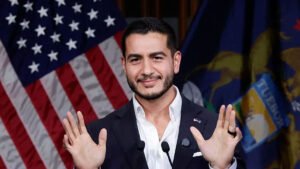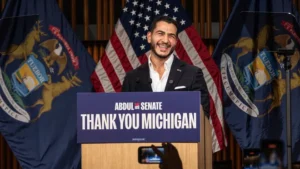

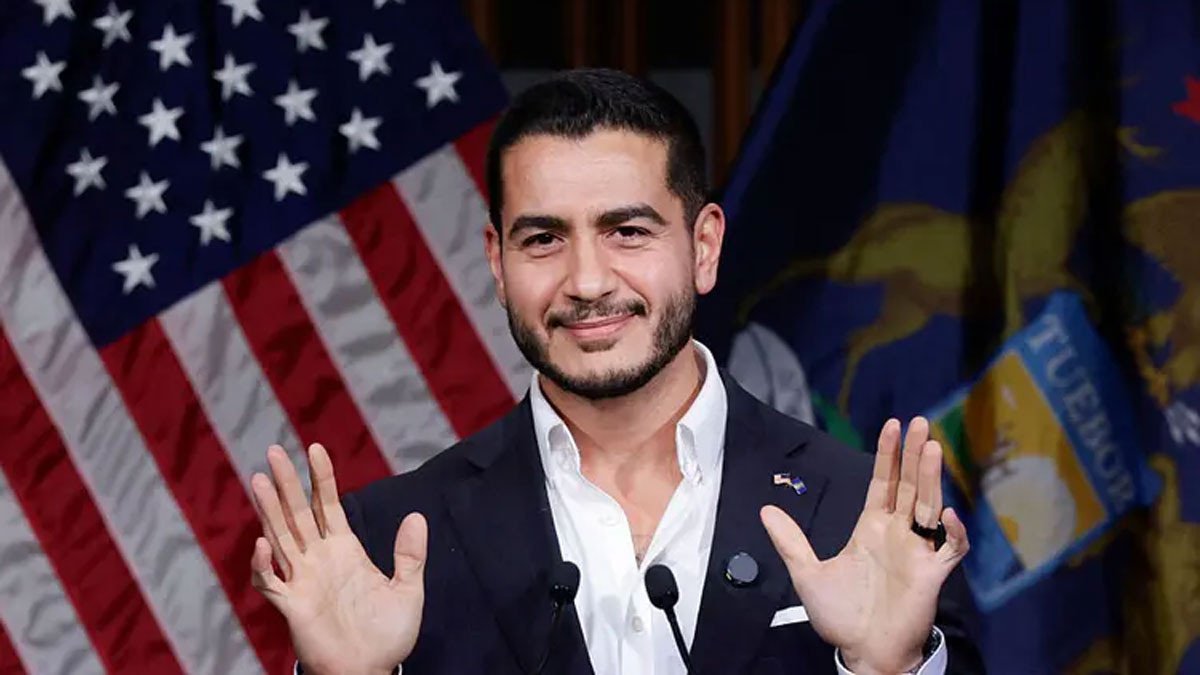

From public health leadership and academic research to a historic Senate victory, Abdul El-Sayed’s career reflects his journey through American public service and progressive politics.
DETROIT: Abdul El-Sayed has made history by becoming the first Muslim elected to the United States Senate after defeating Republican candidate Mike Rogers in Michigan’s November 3, 2026, midterm elections. His victory marks a significant milestone for Muslim representation in American politics and brings a former physician and public-health administrator to the national political stage.
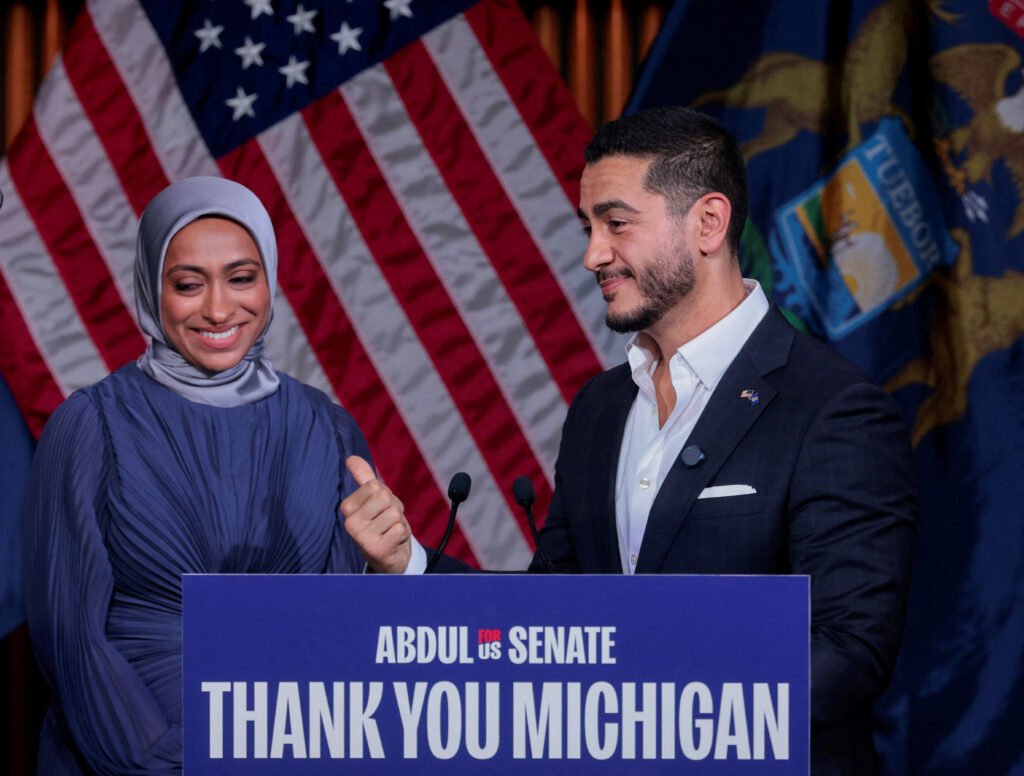
Born and raised in metropolitan Detroit to Egyptian immigrant parents, El-Sayed, 42, built his career around medicine, epidemiology, public health and progressive political advocacy. Before entering the Senate race, he held senior positions in public administration and academic research, focusing on healthcare access and improving public services.
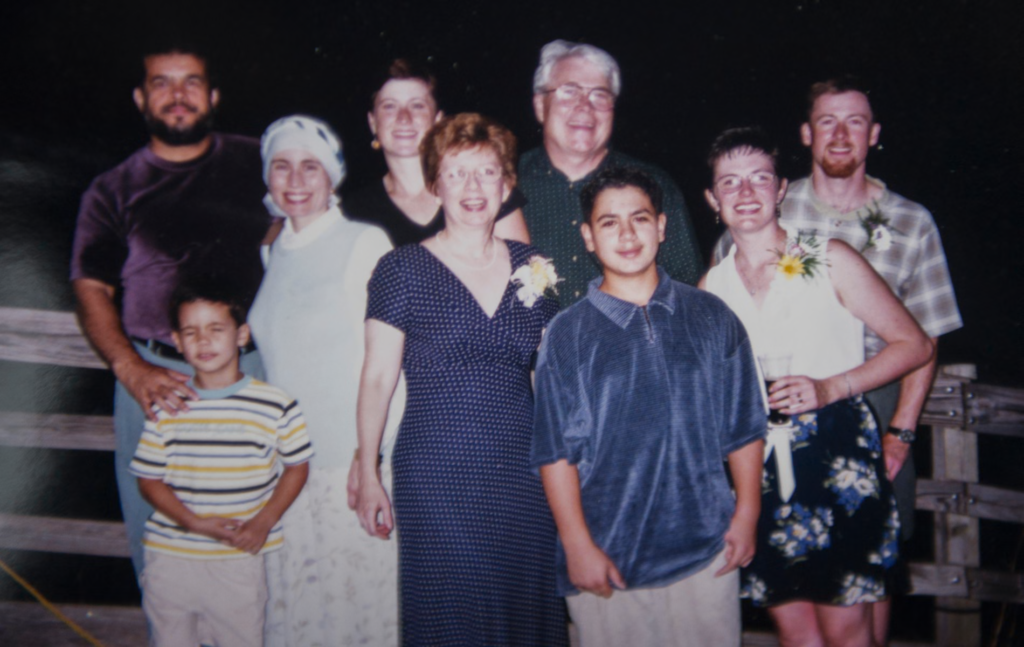
His education began at the University of Michigan, where he graduated in 2007 with degrees in biology and political science, earning the highest distinction and election to Phi Beta Kappa. He subsequently received a Rhodes Scholarship to study at the University of Oxford, completing a doctorate in public health in 2011. In 2014, he earned his medical degree from Columbia University.
El-Sayed later joined Columbia University’s Mailman School of Public Health as an assistant professor, leading its Systems Science Programme and Global Research Analytics for Population Health. His academic career included more than 100 peer-reviewed publications. Oxford University Press published his textbook, Systems Science and Population Health, in 2016.
Rebuilding Detroit’s public health services
In 2015, El-Sayed became director of the Detroit Health Department, taking responsibility for public-health services as the city worked to rebuild its healthcare infrastructure following years of financial difficulties. He remained in the position until 2017.
His work received recognition from the Michigan League of Conservation Voters, which named him Public Official of the Year. Crain’s Detroit Business also included him in its 40 Under 40 list.
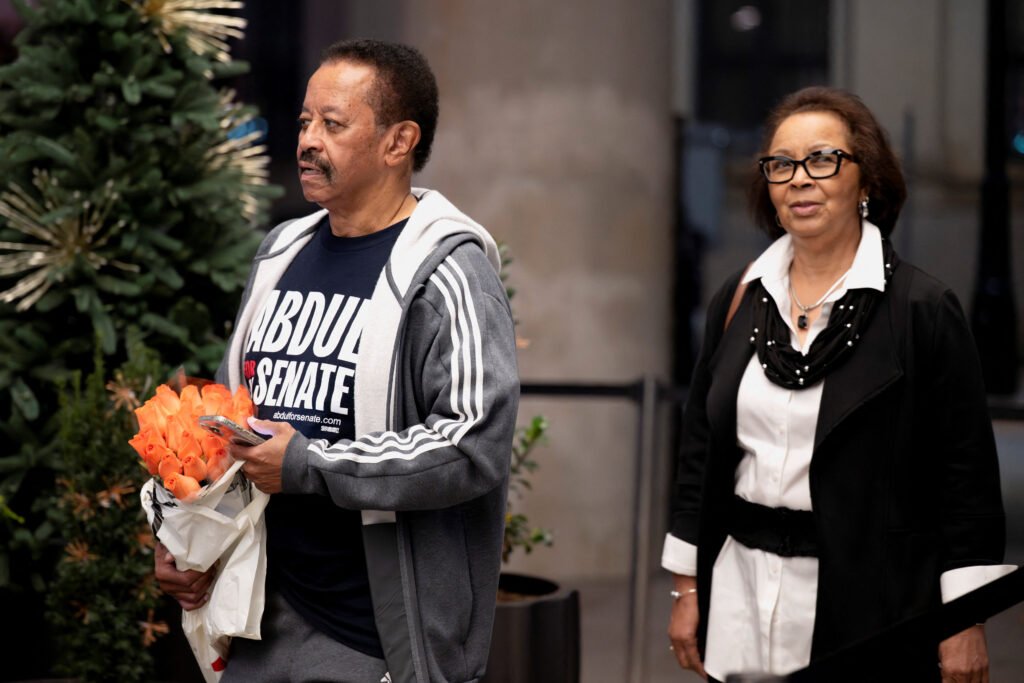
In 2022, he returned to public administration as director of the Wayne County Department of Health, Human and Veterans Services, also serving as the county’s health officer. The department serves approximately 1.8 million residents.
During his tenure, initiatives included expanding access to naloxone to address opioid overdoses, tackling lead exposure and air-quality concerns, and providing free glasses to children. The county also introduced a medical-debt programme aimed at cancelling up to $700 million owed by approximately 300,000 residents. He held the position until 2025.
From gubernatorial candidate to historic Senate victory
El-Sayed first entered electoral politics in 2018, when he contested the Democratic nomination for Michigan governor. His campaign focused on universal healthcare, clean water, affordable higher education, renewable energy and reducing corporate influence in politics. Despite receiving support from progressive figures including Bernie Sanders and Alexandria Ocasio-Cortez, he lost the primary to Gretchen Whitmer.
He subsequently continued his political advocacy through writing and broadcasting. He hosted and executive-produced America Dissected, a podcast examining healthcare and politics, and published Healing Politics in 2020. In 2021, he co-authored Medicare for All: A Citizen’s Guide with Micah Johnson.
His 2026 Senate campaign centred on Medicare for All, workers’ rights, campaign-finance reform, economic inequality and higher taxes on concentrated wealth. He defeated Republican Mike Rogers in the general election, securing Michigan’s open Senate seat.
Muslim identity and campaign controversies
El-Sayed’s Muslim faith became a prominent issue during the campaign. President Donald Trump called him a “jihadist,” while Rogers alleged connections to the Muslim Brotherhood. El-Sayed denied affiliation with the organisation, and the allegations were not supported by publicly presented evidence.
His criticism of US policy toward Israel and the war in Gaza also became a significant point of political debate. He argued that Washington’s support for the Israeli government conflicted with its stated commitment to a two-state solution.
During his victory speech, El-Sayed addressed attacks on his identity, telling supporters that his name and faith were not responsible for Americans’ struggles with fuel prices, grocery costs or access to healthcare.
About The Author