

A powerful tale of resilience, education, and determination that transformed extreme poverty into one of Pakistan’s highest civil service positions.
In Pakistan’s Thar region, where poverty often defines destiny, an extraordinary inspirational CSS success story has captured widespread attention, narrating how a young girl rose from barefoot walks on scorching sand to becoming a commissioner in the civil administration. The journey of “Noor Bano,” as described in widely shared accounts, is being celebrated as a symbol of resilience, ambition, and the transformative power of education.
Born into a struggling family in a remote village of Tharparkar, Sindh, Noor Bano grew up in conditions where even basic necessities like clean water, electricity, and proper schooling were scarce. Her father worked as a camel herder while her mother supported the household through daily wage labor in nearby homes. For Noor, childhood was not defined by comfort but by survival—walking long distances to school barefoot, carrying water from miles away, and studying under dim light in a mud-built home.
Despite these challenges, her dream was unusually bold. When asked in school about her future ambitions, she reportedly replied with confidence that she wanted to become a commissioner—a statement that drew laughter from classmates and skepticism from even some teachers. In a community where higher education for girls was often considered unnecessary, her ambition stood out as both unusual and unrealistic to many around her.
However, what others saw as impossible, she treated as a goal.
As she progressed academically, Noor’s performance began to shift perceptions. She reportedly achieved top positions in her district during matriculation and secured one of the highest rankings in her province during intermediate studies. But financial hardship remained a constant barrier. Her family made painful sacrifices, including selling livestock and personal belongings, to support her education.
Her admission into a major university in Karachi marked a turning point, but it did not ease her struggles. Without financial backing for hostel accommodation or coaching academies, she worked multiple part-time teaching jobs during the day to afford basic living expenses. Nights were reserved for studying, often under challenging conditions without proper heating or cooling, relying on borrowed books, free online lectures, and determination alone.
Her preparation for Pakistan’s Central Superior Services (CSS) examination became a defining phase of her journey. The CSS exam, known for its intense competition and low success rate, is widely considered one of the most difficult civil service examinations in the country. Noor reportedly faced repeated setbacks, failing multiple attempts due to weak performance in English writing, current affairs, and interview evaluations.
Each failure brought increased pressure. Community members questioned her persistence, suggesting she abandon her academic ambitions and focus on marriage or simpler career paths. Even family members, concerned about social pressure and financial strain, urged her to reconsider her goals. Yet she persisted, often responding that societal judgment would exist regardless of success or failure, and that giving up would not change her circumstances.
Her fourth attempt became the breakthrough moment. After years of disciplined preparation—studying up to 18 hours a day, revising newspapers, practicing past papers, and utilizing free educational resources—she reportedly achieved one of the highest scores in the country. Her selection into the Pakistan Administrative Service (PAS) marked a historic achievement in her life journey.
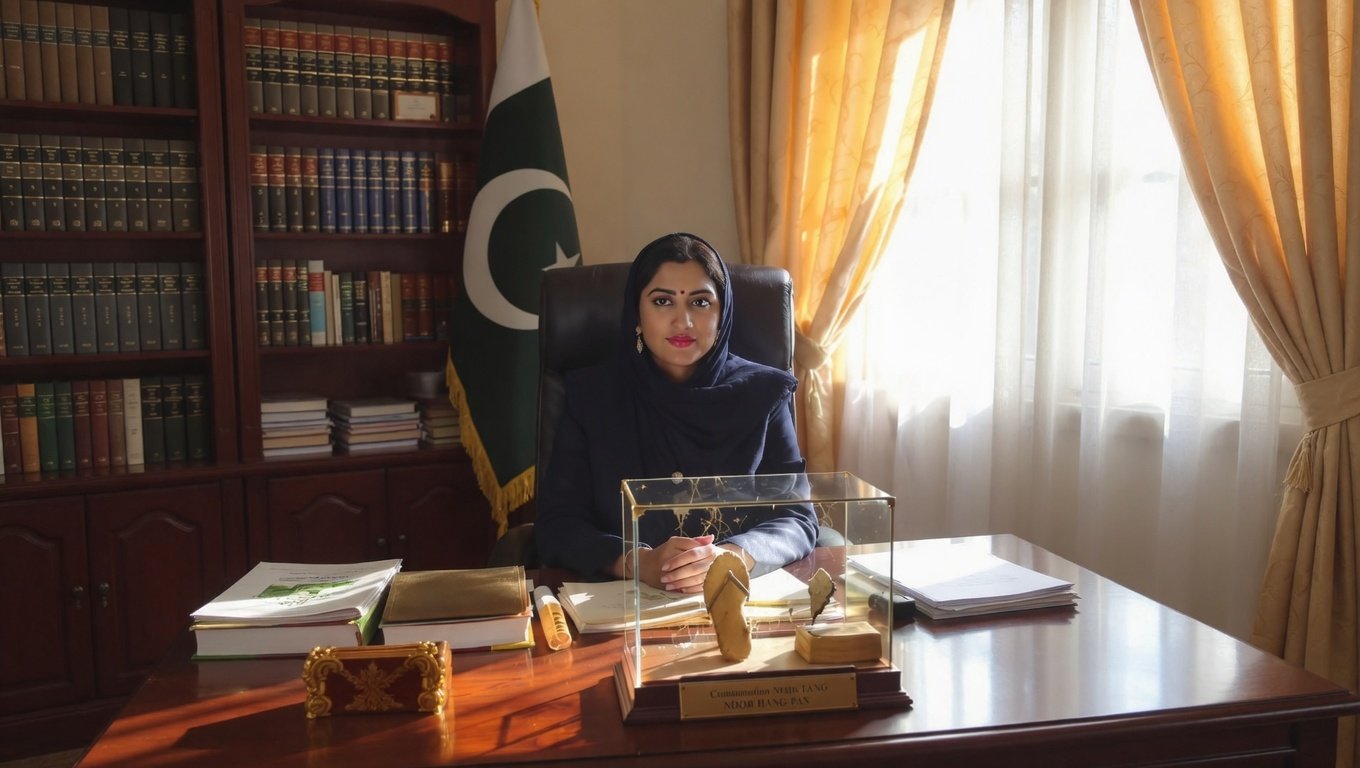
The transformation from a struggling village student to a top-ranking civil service officer quickly became a widely discussed narrative. Upon receiving her appointment, Noor is said to have kept her old worn-out slipper as a symbolic reminder of her origins. It was placed on her office desk in a glass case with a note emphasizing humility and perseverance.
As a commissioner, her early administrative priorities reportedly focused on education and basic infrastructure in underdeveloped regions. One of her first initiatives included improving school facilities in rural Sindh, particularly ensuring access to clean drinking water, electricity, and proper classroom environments for children in marginalized communities.
Her leadership style has been described as empathetic yet disciplined. Reports suggest she prefers direct interaction with citizens, often encouraging young women from disadvantaged backgrounds to pursue education and civil service careers. Her message consistently highlights that background does not determine destiny.
The story has resonated strongly on social media platforms, especially among students preparing for competitive examinations. Education experts have pointed out that while individual success stories are inspiring, systemic challenges such as unequal access to quality education, coaching resources, and financial support remain significant barriers for many aspiring candidates.
In broader terms, this narrative reflects a recurring theme in South Asia: education as a tool of social mobility. It highlights how determination, combined with access to even minimal opportunities, can reshape life trajectories that are often constrained by poverty.
As discussions around her journey continue, many see it not just as a personal success but as a broader message about potential hidden within underserved communities. It underscores the importance of investing in rural education, supporting female students, and expanding equal opportunities in competitive fields.
While debates about merit, privilege, and access continue in academic and policy circles, stories like this remain powerful reminders of what persistence can achieve against structural odds.
About The Author