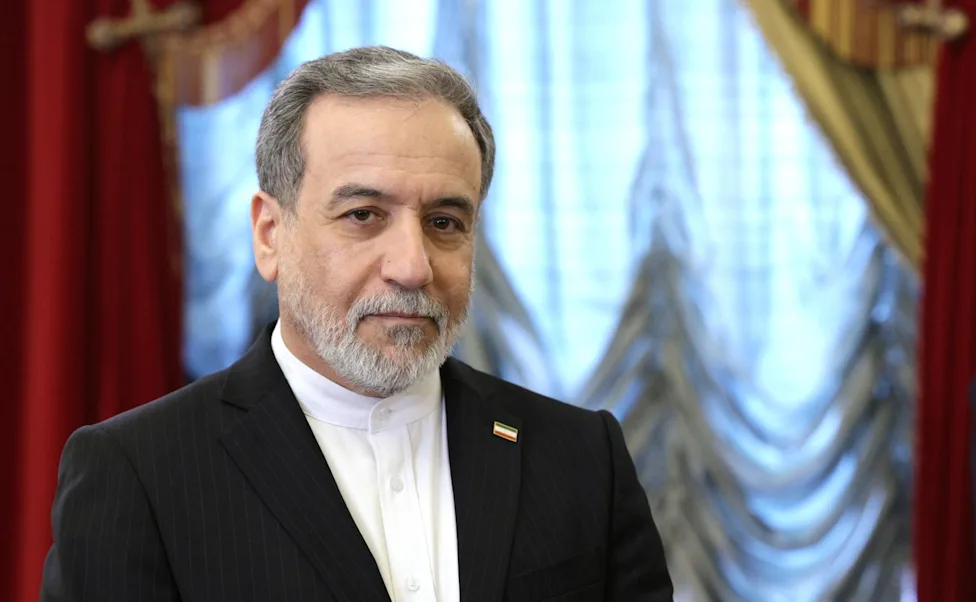

Iranian Foreign Minister Abbas Araghchi says Tehran has proposed a seven-day regional truce and conditions for restoring normal shipping through the strategic waterway.
Iran has proposed a seven-day plan to reopen the strategic Strait of Hormuz and restore normal maritime traffic, Foreign Minister Abbas Araghchi said at the United Nations on Friday.
Araghchi said Tehran had conveyed the proposal to Washington through Qatar and that the waterway could be reopened within seven days if the necessary conditions were accepted.
The proposal comes amid continued tensions between Iran and the United States following months of conflict. The Strait of Hormuz is a major international shipping route and a key passageway for global oil supplies.
Araghchi said Iran was prepared to restore normal shipping through the waterway but would not accept pressure, threats or demands that Tehran considers a violation of its sovereignty.
Reports later indicated that U.S. President Donald Trump had rejected the proposal. The Wall Street Journal, citing U.S. officials, reported that Trump remained doubtful that Tehran would meet his demands and believed further U.S. military action could become necessary.
The reported Iranian framework includes a seven-day halt to hostilities across the region, including Lebanon. It also calls for the release of billions of dollars in frozen Iranian assets, an easing of sanctions on Iranian oil and an end to the U.S. naval blockade.
Under the proposal, Iran would reopen the Strait of Hormuz after the seven-day truce.
Iranian President Masoud Pezeshkian said the ceasefire process could begin immediately if the United States accepted the proposed framework. He also referred to an earlier memorandum of understanding reached between the two sides in June, with Pakistan playing a role in the process.
The earlier agreement was intended to end the conflict, reopen the strait and pave the way for negotiations over Iran’s nuclear program. However, the arrangement later collapsed amid renewed tensions over shipping through the waterway.
Iran has maintained that ships must obtain permission before passing through the strait, citing security and sovereignty concerns. The United States has carried out strikes on Iranian coastal areas in response to incidents involving commercial shipping.
The proposed seven-day framework therefore links the restoration of maritime traffic through the Strait of Hormuz to a broader regional ceasefire and diplomatic arrangements between Tehran and Washington.
About The Author