

The Cabinet Committee on Energy has directed the Petroleum Division to examine a more rational classification of protected gas consumers amid concerns over circular debt.
ISLAMABAD: The government is considering introducing additional gas tariff slabs to expand the protected consumer category and provide relief to more households, officials said.
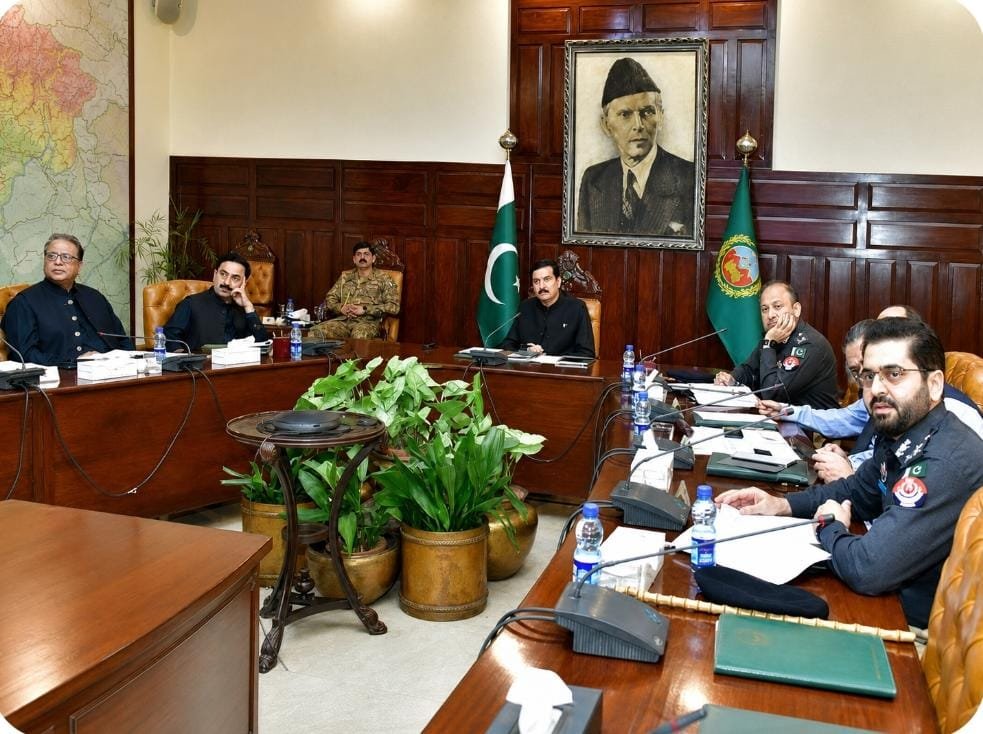
The Cabinet Committee on Energy (CCOE), chaired by Prime Minister Shehbaz Sharif, directed the Petroleum Division to examine a more rational classification of protected gas consumers during a meeting.
The Petroleum Division told the committee that assessments by the World Bank and consultancy firm KPMG had identified stagnant consumer gas prices and the diversion of imported re-gasified liquefied natural gas (RLNG) to domestic consumers as major contributors to the increase in oil and gas sector circular debt between 2019 and 2023.
Officials said the definition of gas-sector circular debt agreed with the International Monetary Fund (IMF) and World Bank refers to the net financial burden faced by Sui gas companies because of policy and regulatory decisions. Sui Southern Gas Company (SSGC) and Sui Northern Gas Pipelines Limited (SNGPL) also use a digital system developed by the World Bank to report their debt positions.
The committee was informed that weak bill recoveries compared with gas supplies, along with issues in the power sector, had continued to contribute to the accumulation of circular debt.
The growing debt has also affected the financial position of state-owned exploration and production companies, limiting their ability to invest in core operations, according to officials.
The Petroleum Division identified several factors contributing to the debt, including delays in gas price revisions between 2013 and 2022, revenue gaps faced by Sui companies, low recoveries from the power sector, winter diversion of RLNG to domestic consumers, insufficient subsidy allocations, pending refunds of general sales tax (GST) and legal disputes over gas prices.
Officials further informed the committee that circular debt increased sharply between June 2019 and June 2023, while its growth remained relatively stable from June 2023 to June 2026.
The Petroleum Division also sought measures to address outstanding financial obligations. These included settlement of power-sector receivables, Rs42 billion for RLNG tariff actualisation, Rs83 billion in GST refunds from the Federal Board of Revenue (FBR), and Rs160 billion in budgetary support.
According to the proposal presented to the committee, the budgetary support would help eliminate domestic-sector cross-subsidies and provide relief to industry.
About The Author