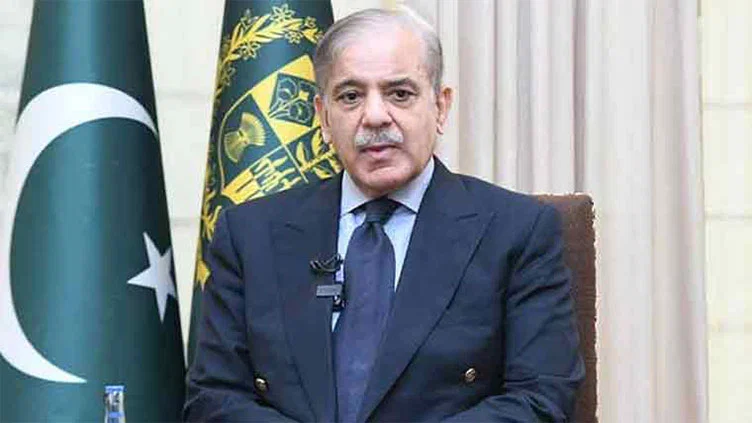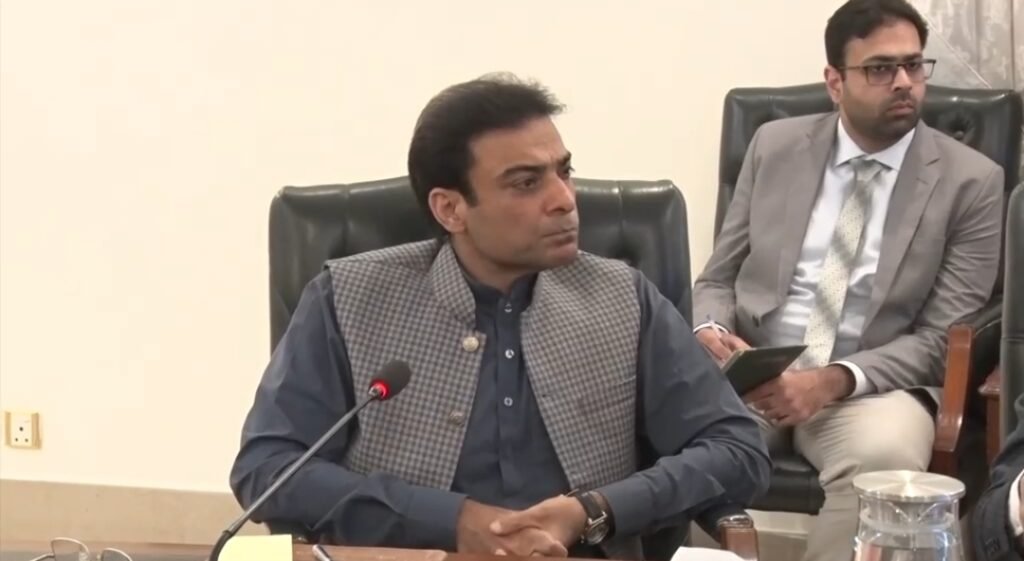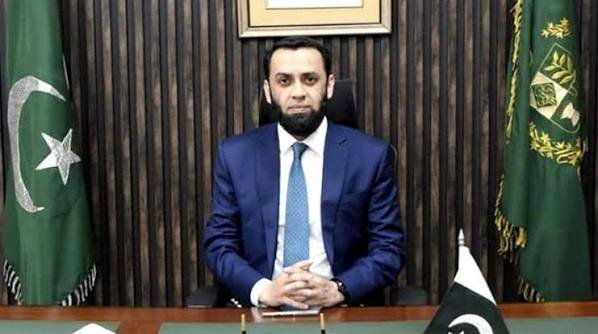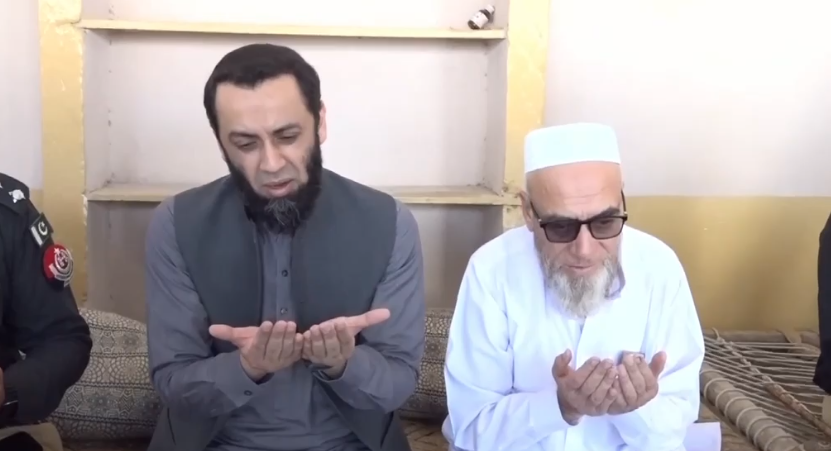

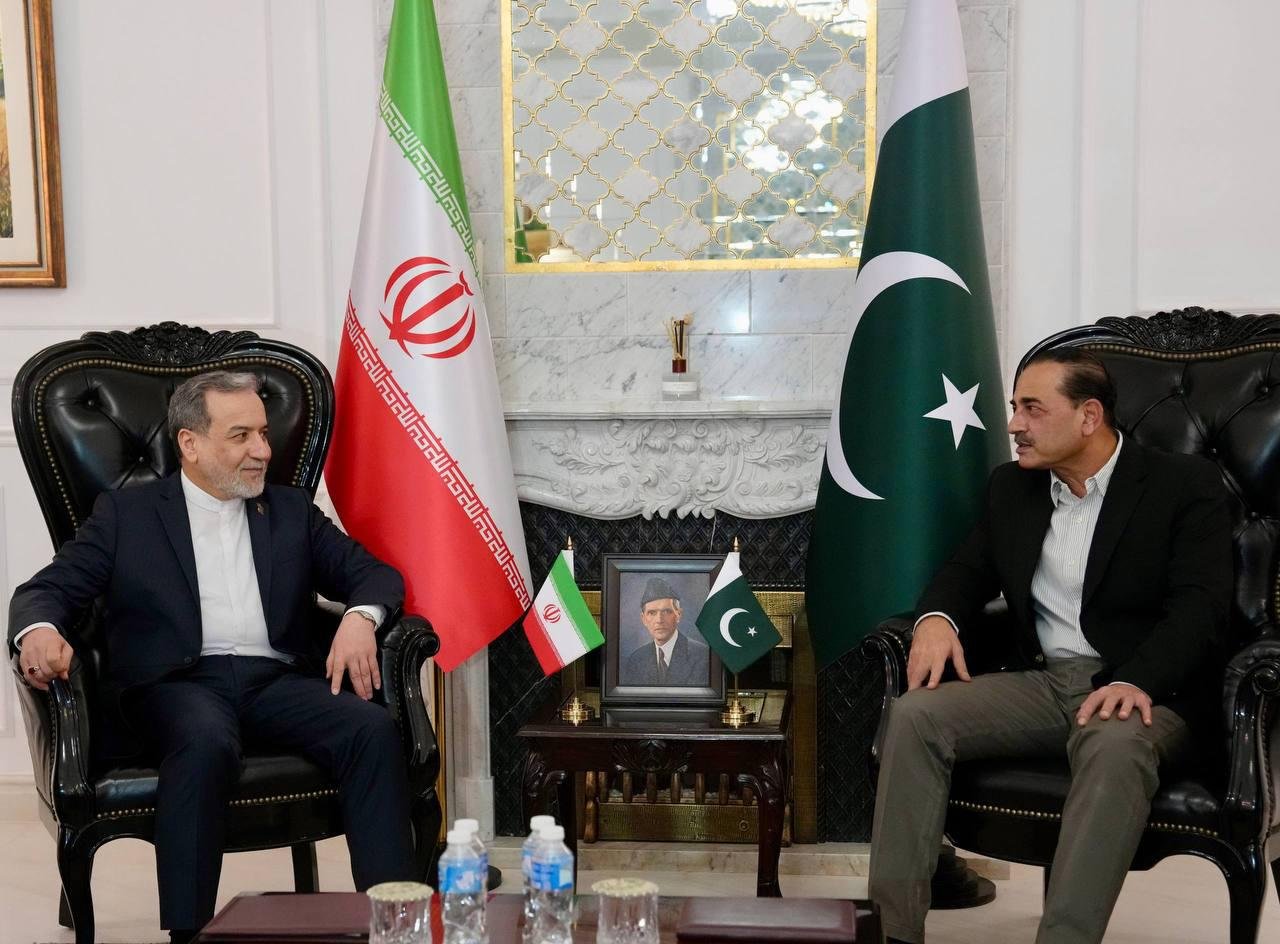

Senior civilian and military leadership from Iran and Pakistan convene in Rawalpindi for a high-level meeting focused on regional stability, security coordination, and bilateral diplomatic engagement.
Rawalpindi became the center of high-level regional diplomacy as Iran’s Foreign Minister Abbas Araghchi held his first official meeting with Pakistan’s Chief of Army Staff Field Marshal Asim Munir, marking a significant moment in ongoing efforts to strengthen bilateral coordination on security and geopolitical stability. The meeting, confirmed by diplomatic sources, brought together senior military and civilian leadership from both countries in what observers describe as a carefully calibrated engagement at a sensitive regional moment.
The discussion, held in Rawalpindi, comes amid shifting geopolitical dynamics in South and West Asia, where Pakistan and Iran continue to navigate shared security concerns, border management challenges, and broader regional stability issues. Officials familiar with the engagement described it as substantive, structured, and focused on long-term strategic alignment rather than symbolic diplomacy.
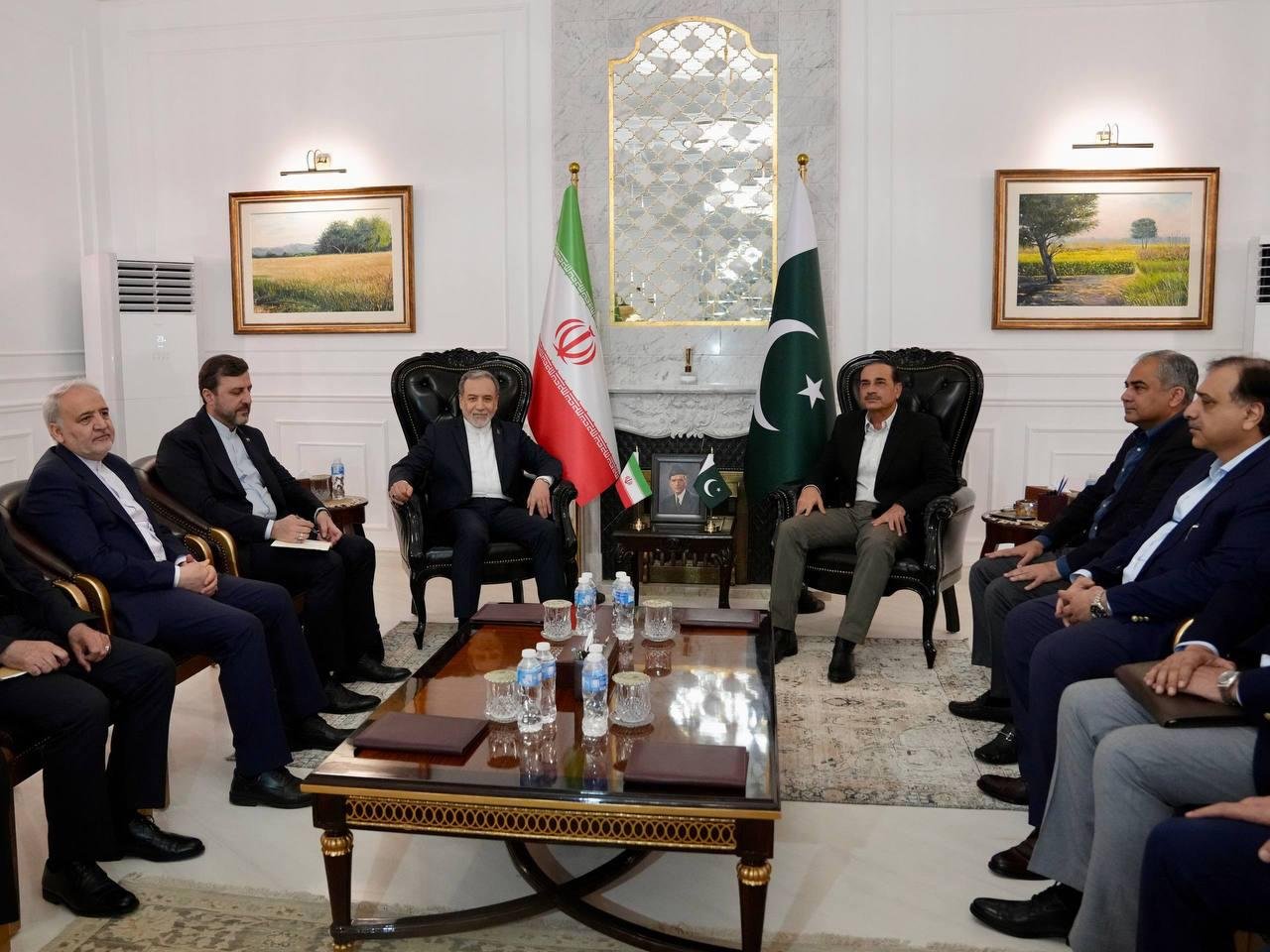
According to sources, Pakistan’s representation included Lt. Gen. Asim Malik, the head of Pakistan’s Inter-Services Intelligence (ISI), and Interior Minister Mohsin Naqvi. Their presence underscores the multi-layered nature of the talks, which extended beyond traditional diplomatic channels into intelligence coordination and internal security frameworks.
On the Iranian side, Abbas Araghchi was accompanied by a senior delegation comprising Deputy Foreign Minister Kazem Gharibabadi, Iran’s Ambassador to Pakistan Reza Amiri Moghadam, and Foreign Ministry spokesperson Nasser Kanaani Baghaei. The composition of the delegation reflects Tehran’s intent to engage Pakistan across diplomatic, security, and communication channels simultaneously.
Diplomatic observers note that such high-level engagement between Iran’s foreign minister and Pakistan’s top military leadership is relatively rare and signals a deliberate effort by both sides to reinforce trust and address mutual concerns in a structured setting. While neither side publicly disclosed detailed agenda points, sources indicated that discussions likely covered border security coordination, counterterrorism cooperation, and regional stability amid evolving security challenges.
The timing of the meeting is also significant. The region continues to face complex security dynamics, including cross-border militancy concerns, shifting alliances, and economic pressures affecting both countries. Pakistan and Iran share a long border that has historically been both a conduit for trade and a zone of security sensitivity, making regular high-level engagement essential for stability.
Field Marshal Asim Munir’s participation highlights Pakistan’s continued emphasis on military-diplomatic coordination in its foreign relations, particularly with neighboring states that share security interdependencies. Similarly, Iran’s decision to involve its senior diplomatic and security-aligned officials suggests a comprehensive approach to bilateral engagement.
Sources indicate that the meeting also included discussions on enhancing communication mechanisms between border security forces to prevent misunderstandings and improve rapid response coordination. Both countries have previously expressed interest in strengthening institutional frameworks to manage border-related incidents more effectively.
Beyond security, the talks are also believed to have touched upon broader regional connectivity and economic cooperation. Pakistan and Iran have long discussed expanding trade routes, energy cooperation, and infrastructure connectivity, although progress has often been influenced by external geopolitical pressures and sanctions-related constraints.
Analysts view the Rawalpindi meeting as part of a broader pattern of diplomatic recalibration in the region, where neighboring countries are increasingly prioritizing direct engagement to manage security risks and economic uncertainty. The presence of intelligence leadership in the meeting suggests that both sides are also focusing on actionable intelligence sharing mechanisms to address non-state threats.
Interior Minister Mohsin Naqvi’s participation further signals Pakistan’s internal security dimension in the discussions, particularly regarding border management and domestic security implications of cross-border dynamics. His involvement points to an integrated civil-military approach in addressing shared challenges.
While official statements remain limited, diplomatic sources describe the engagement as constructive, with both sides expressing commitment to continued dialogue. No formal agreements or public communiqués were immediately released following the meeting, which is typical for high-level security-focused diplomatic engagements of this nature.
The meeting is expected to set the stage for further exchanges between the two countries in the coming months, potentially including reciprocal visits and working-level consultations aimed at operationalizing agreed-upon security and diplomatic priorities.
Experts suggest that sustained engagement between Pakistan and Iran at this level could contribute to reducing regional tensions and improving border stability, provided that follow-through mechanisms are effectively implemented. However, they also note that broader geopolitical constraints will continue to influence the pace and scope of cooperation.
As regional dynamics continue to evolve, the Rawalpindi meeting stands out as a key indicator of both countries’ willingness to maintain open channels of communication at the highest levels. Whether this engagement translates into tangible policy outcomes will depend on sustained diplomatic momentum and institutional coordination on both sides.
For now, the meeting underscores a clear message: Pakistan and Iran are actively investing in high-level dialogue to manage shared challenges and explore pathways for enhanced regional stability.
About The Author