
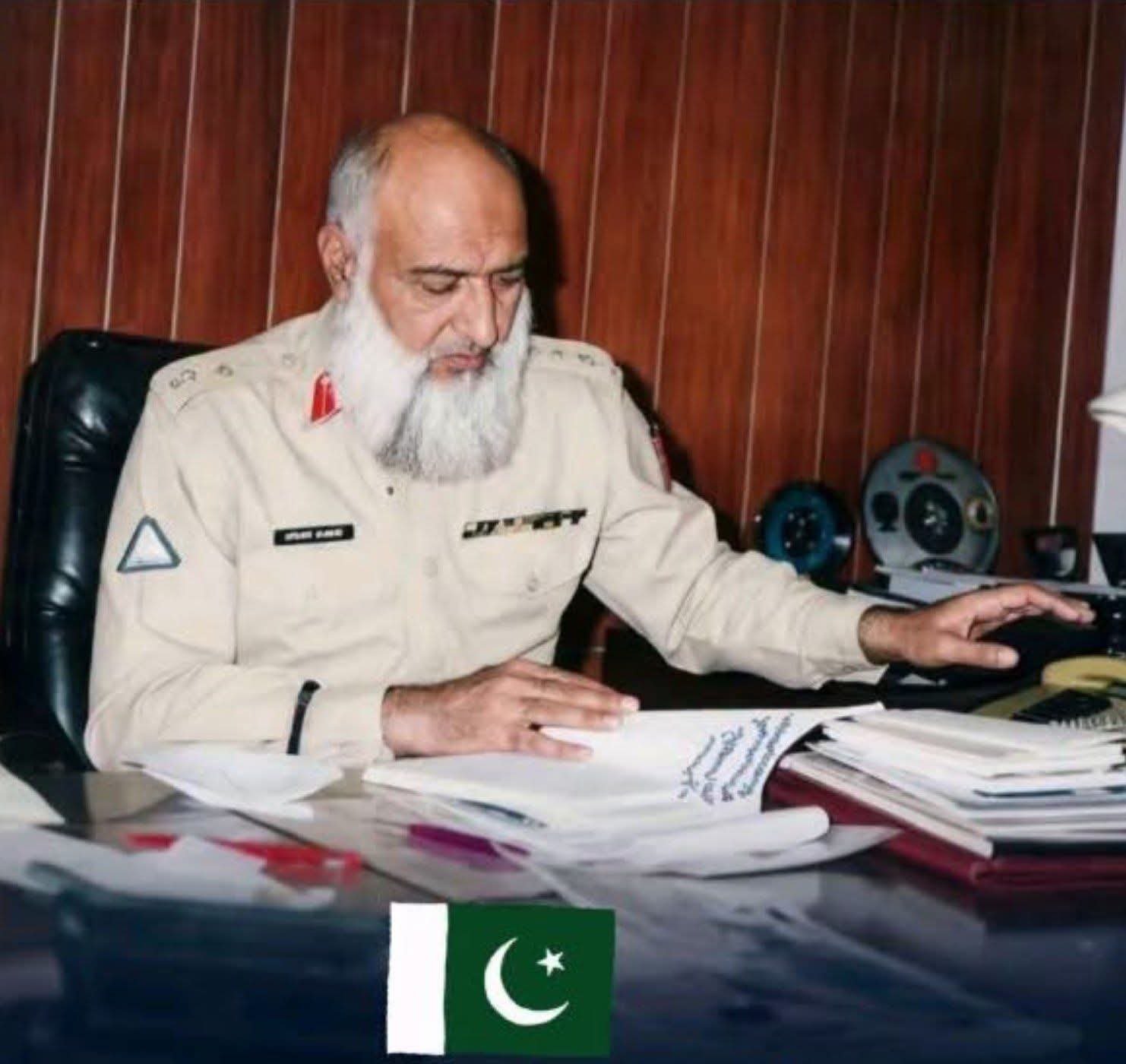

Former ISI chief Lt. Gen. Javed Nasir claimed Pakistan supplied anti-tank missiles to Bosnian Muslims despite the United Nations arms embargo during the 1992-1995 war.
ISLAMABAD: Former Inter-Services Intelligence (ISI) chief Lieutenant General (retd.) Javed Nasir was associated with one of the most controversial episodes involving Pakistan’s alleged support for Bosnian Muslims during the 1992-1995 Bosnian War, when the country faced an international arms embargo.
Nasir, who headed Pakistan’s premier intelligence agency from March 14, 1992, to May 13, 1993, reportedly claimed that Pakistan arranged covert arms supplies to the Bosnian Muslim forces despite restrictions imposed by the United Nations.
According to a report published by Press Trust of India (PTI) on Dec. 27, 2002, Nasir made the claims in a legal petition filed against the Jang media group. He reportedly said Pakistan had successfully airlifted sophisticated anti-tank guided missiles to the Bosnian forces, describing the operation as a significant contribution to their military efforts.
The reported statement said the weapons helped change the course of the conflict in favour of the Bosnian Muslims and angered the United States government.
Pakistan’s alleged arms operation
During the Bosnian War, the United Nations arms embargo restricted weapons supplies to the parties involved in the conflict. However, the embargo was widely criticised because Bosnian Serb forces had access to much of the former Yugoslav military arsenal, while the Bosnian government faced serious difficulties obtaining weapons.
The supplied account alleges that Pakistan organised a covert supply network through Turkey and Iran to deliver weapons to Sarajevo, Bosnia’s capital. Saudi financial assistance and the delivery of TOW anti-tank guided missiles have also been mentioned in accounts of the alleged operation.
However, the specific details of this alleged route, the financial arrangements and the quantities of weapons delivered require independent documentary corroboration. They should not be treated as conclusively established solely on the basis of the reported claims.
Pakistan also publicly criticised the arms embargo. In a statement to the United Nations General Assembly in 1995, the country argued that Bosnia and Herzegovina should be allowed to exercise its right to individual and collective self-defence.
International tribunal’s request
Nasir’s alleged role also became relevant to proceedings at the International Criminal Tribunal for the former Yugoslavia (ICTY) in The Hague.
However, an important distinction is necessary. The tribunal’s documented order, dated Nov. 30, 2009, requested the Pakistani government to say whether it could make Nasir available for an interview in connection with the case against former Bosnian Serb leader Radovan Karadzic. The document does not establish that the tribunal sought his extradition in 2011.
The distinction matters because claims about an extradition demand and a request for an interview describe two different legal proceedings.
Javed Nasir’s legacy
Nasir remained associated with Pakistan’s military and intelligence history, particularly his tenure as ISI director-general and his reported involvement in efforts to support Bosnia during the war.
He died in Lahore in October 2024. Contemporary Pakistani media reports confirmed his death and reported that he was 87 or 88, although some accounts differed on his age.
His reported statements about arms supplies to Bosnia remain a significant part of the debate surrounding Pakistan’s involvement in the conflict and the international arms embargo.
For many people in Bosnia and Pakistan, his name is associated with the question of how international restrictions affected the ability of Bosnian Muslims to defend themselves. Nevertheless, the details of the alleged covert operation should be distinguished from independently documented historical and legal records.
Nasir’s story continues to attract attention because it connects Pakistan’s intelligence history with one of the most consequential conflicts in modern European history.
About The Author