
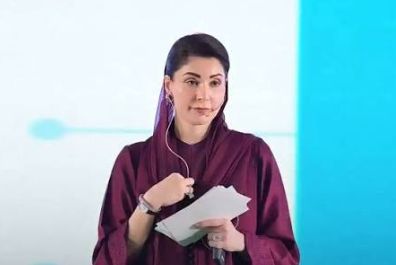

Punjab’s PIVOT economic plan targets lower business costs, easier financing, industrial development, agricultural value addition and export-led growth.
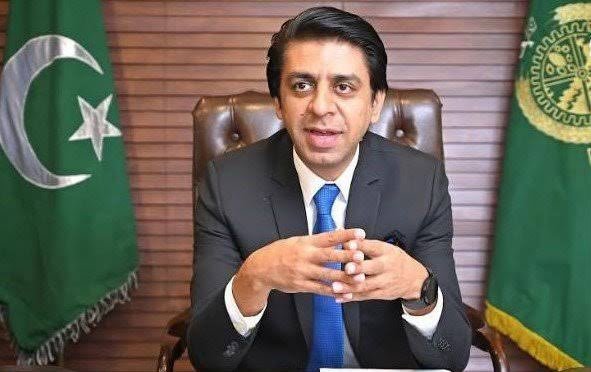
LAHORE: Punjab Chief Minister Maryam Nawaz on Friday unveiled an economic transformation plan aimed at attracting investment, strengthening industries, increasing exports and creating employment, pledging to make the province more business-friendly by addressing high operating costs and regulatory hurdles.
Speaking at the launch of the Punjab Innovation for Value Opportunity and Transformation (PIVOT) plan in Lahore, Maryam said the provincial government wanted to encourage investment and business activity while complying with federal laws and regulations.
“If you are bringing a business, I wouldn’t ask where you are bringing the money from,” she said, adding that she had not introduced any new taxes in Punjab during the past two-and-a-half years.
She said the government had designed PIVOT to address major challenges facing businesses, including access to finance, expensive industrial land, energy costs and regulatory requirements.
Punjab announces industrial incentives
Under the plan, businesses will be able to lease land in industrial estates and special economic zones for between Rs80,000 and Rs200,000 per acre per month, allowing investors to avoid substantial upfront land purchases.
Maryam also announced a Rs50 billion allocation for a one-time import duty waiver on machinery and equipment brought into designated industrial estates and parks.
Another Rs50 billion will be allocated for solar and battery-based energy storage systems in industrial clusters to help businesses reduce electricity costs.
The chief minister said the government wanted industrial land to be used for manufacturing rather than speculative purchases and subsequent resale at higher prices.
She also urged participating banks to provide financing without imposing excessively strict collateral requirements that could discourage businesses from borrowing.
Rs200 billion financing for businesses
Maryam said the Asaan Karobar programme had provided Rs200 billion in financing to small and medium-sized enterprises, supporting 117,000 businesses through schemes covering both new and existing projects.
She highlighted the provincial government’s e-Biz portal, which allows businesses to apply online for licences, permits, no-objection certificates and other approvals.
According to the chief minister, 200,000 approvals had been issued through the system, reducing administrative delays and the need for applicants to visit government offices.
She also said 400,000 young people had received skills training during the past year, while another 600,000 were expected to be trained next year. The government was working on internationally recognised certifications to improve workers’ employment opportunities and earning potential.
Agriculture and livestock investment
The PIVOT programme also covers agriculture, livestock, aquaculture, food processing and advanced manufacturing.
Maryam cited Rs70 billion in mechanisation support for farmers and said 45,000 tractors had been provided or were being supplied under government initiatives.
She said the government was developing agro-processing facilities to convert agricultural produce, including citrus fruit, mangoes and potatoes, into higher-value products such as pulp, puree, jam, frozen fries and dehydrated food.
In the livestock sector, she cited a Rs150 billion investment and said 400,000 animals had been tracked and traced, with a target of 600,000 next year.
She also said Punjab had invested Rs110 billion in aquaculture and developed fish farms across 8,000 acres, alongside efforts to improve access to fish seed, feed and technical expertise.
Focus on exports and industrial facilities
The chief minister said PIVOT would establish shared testing laboratories, institutes and other facilities to help industrial clusters meet international standards and improve export competitiveness.
She specifically mentioned Sialkot’s sports goods and surgical instruments industries, as well as Wazirabad’s manufacturing sector, where businesses face difficulties accessing local testing and processing facilities.
Maryam said the programme would support sectors capable of generating foreign exchange, creating jobs and delivering value addition. These include pharmaceuticals, information technology, digital infrastructure, engineering, chemicals, plastics and packaging.
She added that government assistance would be linked to measurable performance indicators, including export earnings, strategic growth and employment generation.
Maryam also stressed the importance of law and order, saying businesses needed protection from robbery, kidnapping and extortion. She urged government departments to avoid immediately shutting down factories over regulatory issues where warnings and compliance measures could resolve problems without disrupting production.
She said the broader objective of PIVOT was to create an environment in which businesses could invest confidently, expand manufacturing, generate employment and strengthen Pakistan’s export capacity.
About The Author