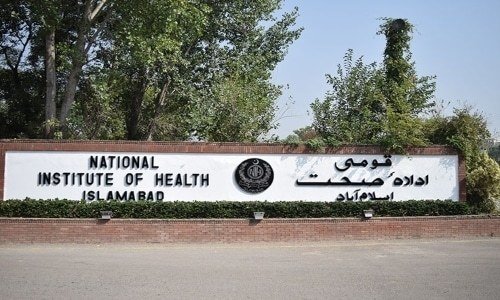

National Inatitute of Health (Pakistan) has issued a comprehensive advisory on the prevention and control of monsoon-related diseases, warning that the rainy season significantly increases the risk of infectious disease outbreaks across Pakistan.
According to the advisory, heavy rainfall, flooding, waterlogging, disruption of sanitation systems, contamination of drinking water sources, and increased mosquito breeding create ideal conditions for the spread of several dangerous diseases. These include acute watery diarrhea, cholera, typhoid fever, malaria, dengue, chikungunya, leptospirosis, and viral hepatitis A and E.
Health experts noted that monsoon-related emergencies often lead to population displacement, overcrowded temporary shelters, limited access to safe drinking water, and disruptions in healthcare services. Such conditions can accelerate disease transmission and place additional pressure on already strained health systems.
The National Inatitute of Health emphasized that timely preparedness, enhanced disease surveillance, early detection, and rapid response measures are critical to reducing illness and deaths linked to seasonal outbreaks. The advisory calls on provincial and federal health departments, healthcare facilities, district administrations, and other stakeholders to strengthen prevention and response efforts throughout the monsoon season.
National Inatitute of Health have been urged to ensure improved sanitation, safe water supplies, vector control measures, and uninterrupted public health services to minimize the impact of potential outbreaks.
Advisory for Prevention and Control of Monsoon-Related Disease
About The Author