
IMF-backed fiscal reforms open doors for auto imports but keep taxes on essential school supplies unchanged.
Pakistan’s latest economic discussions have revealed a growing policy divide, with relief measures moving toward the automobile sector while families continue facing taxes on basic education necessities.
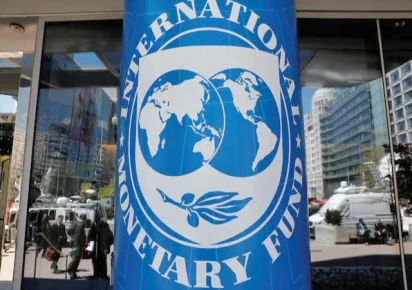
Officials informed the Senate Standing Committee on Finance that the International Monetary Fund (IMF) rejected Pakistan’s request to remove sales tax from stationery items used by schoolchildren. As a result, essential supplies including notebooks, pencils, sharpeners, geometry boxes, glue, and exercise books will continue to carry an 18 percent sales tax.
The decision has raised concerns among lawmakers, who questioned how taxing educational essentials aligns with Pakistan’s broader goals of improving literacy and expanding access to education.
Meanwhile, the government announced changes to used vehicle imports, allowing cars up to five years old to enter the country from July under environmental standards. Regulatory duty on used vehicles will also be reduced from 40 percent to 30 percent.
Officials said the automobile reforms are part of commitments linked with IMF-supported economic measures aimed at trade liberalization and stronger market competition.
Finance Minister Muhammad Aurangzeb rejected additional tax relief proposals, including reductions on beverages, citing revenue limitations. He said Pakistan had already provided support to exporters through lower advance income tax, removal of super tax on exports, and concessional financing.
About The Author