

Pakistan strengthens climate diplomacy as Dr. Musadik Malik engages with China’s top green finance expert to unlock sustainable investment and innovation pathways
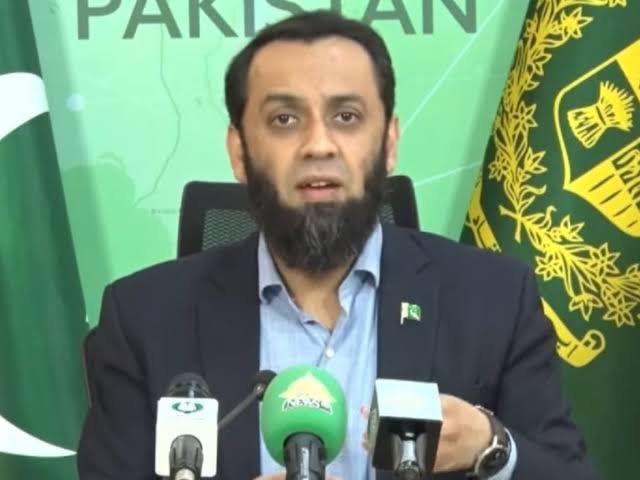
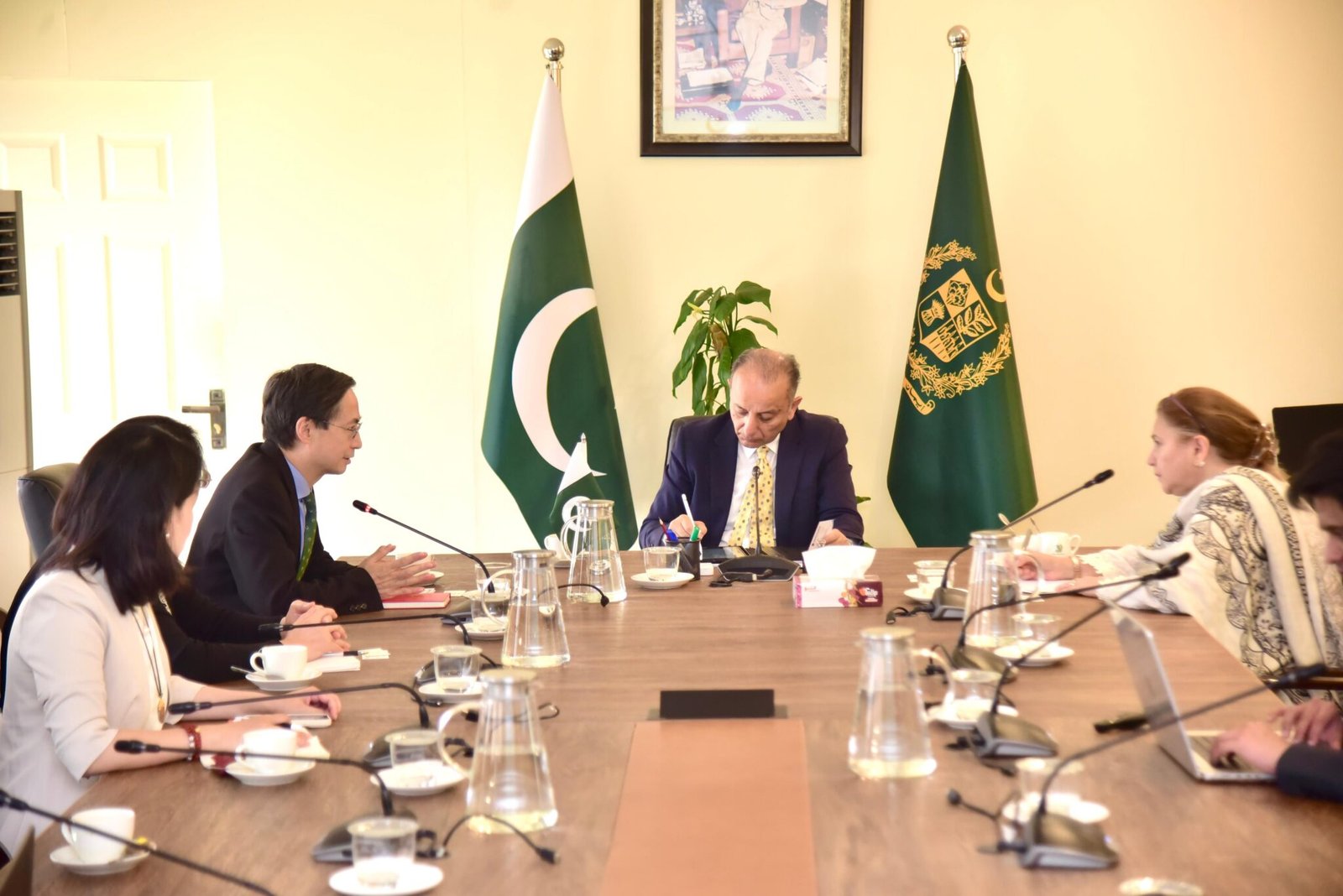
ISLAMABAD: Pakistan signaled a decisive shift toward a greener economic future following high-level talks between Federal Minister for Climate Change Dr. Musadik Malik and Chinese sustainability expert Ma Jun, in a meeting that could shape the country’s climate and investment trajectory for years to come.
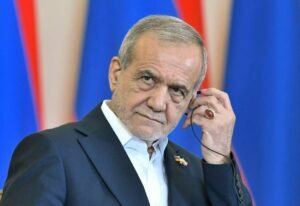
The meeting, held in Islamabad, focused on expanding cooperation in green finance, technology, and scalable climate solutions. Ma Jun, President of China’s Institute of Finance and Sustainability, provided a detailed briefing on China’s Green Accelerator Program — a landmark initiative launched in 2016 that has since evolved into the world’s largest green financing system, valued at nearly $7 trillion.
He highlighted China’s dominant position in clean energy manufacturing, noting that the country produces around 70 percent of global wind and solar equipment and nearly 60 percent of electric vehicles. The program, he explained, is designed to transform climate ideas into “bankable” projects by integrating financial tools, carbon markets, and advanced project design — a model increasingly seen as a global benchmark.
Discussions also explored real-world applications of green innovation across regions. Examples included biochar production from agricultural waste in Bangladesh, precision irrigation systems deployed in China and Uzbekistan, and sustainable desert farming initiatives in Abu Dhabi. The exchanges underscored a central theme: climate solutions must be locally adaptable while remaining financially viable to scale effectively.
Dr. Malik outlined Pakistan’s emerging “Green Fields” initiative, aimed at connecting young entrepreneurs with both domestic and international investors. The program seeks to catalyze green startups and empower youth-led innovation in areas such as renewable energy, sustainable agriculture, and climate technology.
The minister emphasized the importance of international collaboration, praising China’s leadership in green finance and technological advancement. He reaffirmed Pakistan’s commitment to learning from global best practices and forging partnerships that can accelerate the country’s transition to a sustainable, low-carbon economy.
The meeting reflects a broader policy push by Pakistan to integrate climate action with economic growth, as the country grapples with increasing environmental challenges while seeking new investment avenues. Analysts say such partnerships could unlock critical funding and expertise, helping Pakistan bridge the gap between climate ambition and implementation.
About The Author