

Federal Minister Dr. Musadik Malik discusses green finance, youth entrepreneurship, and sustainable technology collaboration with China’s top climate finance leadership.
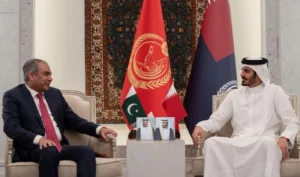
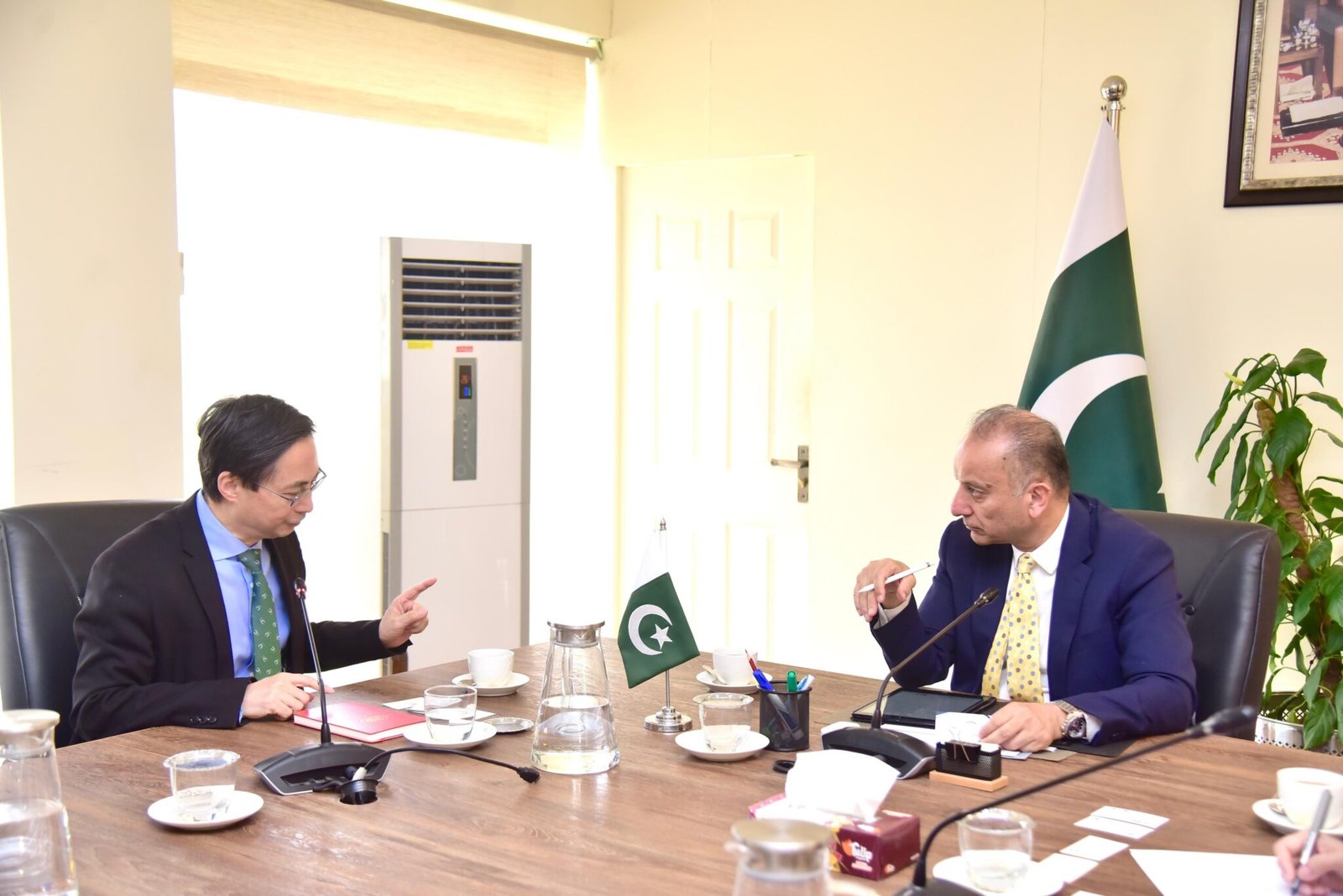
ISLAMABAD: Pakistan signaled a renewed push toward a green economy as Federal Minister Dr. Musadik Malik held a high-level meeting with Ma Jun, President of the Institute of Finance and Sustainability (IFS) China, focusing on expanding cooperation in green finance and sustainable technologies.
The meeting highlighted China’s massive progress in climate financing, with officials briefing the Pakistani delegation on Beijing’s $7 trillion green financing system—the largest of its kind globally. The model, designed to mobilize capital for environmentally sustainable projects, drew keen interest from Pakistan as it seeks to address climate vulnerabilities and economic challenges simultaneously.
During the discussion, both sides explored avenues to adapt global best practices to Pakistan’s local conditions. Malik emphasized that while international models offer valuable insights, “sustainable and practical solutions must align with domestic realities” to ensure long-term success.
A key highlight of the talks was the proposed “Green Fields” initiative, aimed at connecting young entrepreneurs with investors to promote green entrepreneurship. The program is expected to create new economic opportunities while encouraging innovation in climate-friendly sectors.
Malik stressed the importance of empowering youth as a driving force behind Pakistan’s green transition, underscoring the need to build ecosystems that support startups focused on sustainability and clean technologies.
The minister also reiterated Pakistan’s commitment to learning from global experiences, particularly China’s rapid advancements, to accelerate its own transition toward a greener economy. He noted that international collaboration remains critical in tackling climate change effectively, calling for stronger partnerships to develop scalable and impactful solutions.
The engagement reflects Islamabad’s broader strategy to integrate environmental sustainability into economic planning, as the country faces increasing pressure from climate risks, including floods, heatwaves, and resource constraints.
About The Author