
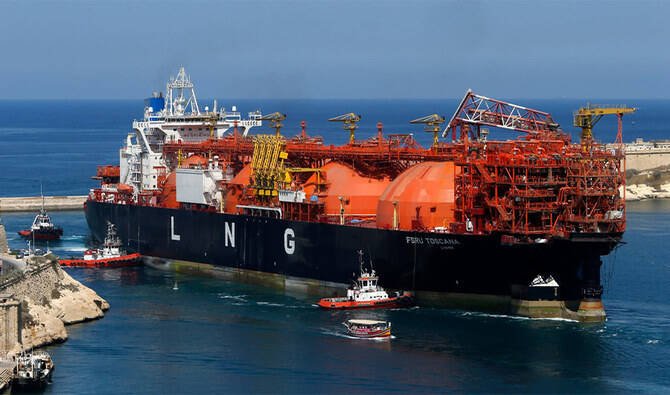

Pakistan’s heavy dependence on LNG imports from Qatar and the UAE has increased concerns over energy security amid disruptions around the Strait of Hormuz.
Pakistan is facing growing pressure on its energy supply as disruptions in liquefied natural gas (LNG) shipments following the closure of the Strait of Hormuz raise concerns over power generation, industrial activity and fuel costs.
A report released at the Gastech conference identified Pakistan among the countries most affected by the disruption. Qatar and the United Arab Emirates account for around 99% of Pakistan’s LNG supplies, leaving the country exposed to shipping disruptions and volatility in international fuel markets.
LNG contributes nearly 30% of Pakistan’s overall gas supply and is primarily used for power generation, fertilizer production and industrial activities. Continued uncertainty surrounding international shipping routes and fuel prices could therefore create additional challenges for the country’s energy sector.
The disruption has renewed discussions about reducing Pakistan’s dependence on imported gas. The report suggested increasing investment in renewable energy, including large-scale solar projects, wind farms and commercial rooftop solar systems. Greater deployment of energy storage facilities could also help improve the flexibility and resilience of the power system.
Pakistan may also need to expand its gas storage capacity and strengthen the flexibility of its power generation system. Larger strategic fuel reserves and additional operating capacity could provide greater protection against unexpected supply disruptions.
The report said the conflict involving Israel, the United States and Iran, along with the resulting bottleneck around the Strait of Hormuz, has highlighted vulnerabilities in global gas and LNG markets. It warned that supply disruptions could increase electricity generation costs because of higher fuel prices and uncertainty surrounding shipping.
Pakistan is also considering greater reliance on coal, hydropower and nuclear energy as part of efforts to manage potential gas shortages and strengthen domestic power supplies.
Meanwhile, Universal Gas Distribution Company (UGDC) CEO Ghiyas Abdullah Paracha said the company held discussions with several international firms during the Gastech conference.
Paracha said some companies had expressed interest in developing gas storage facilities in Pakistan, while others showed interest in entering into long-term LNG supply agreements with UGDC.
The developments have brought renewed attention to Pakistan’s energy diversification efforts as disruptions in major international shipping routes continue to pose risks for countries dependent on imported LNG.
About The Author