

Pakistan and Saudi Arabia reaffirm their defence commitment as questions emerge over parliamentary consultation, deployment details and the potential implications for Islamabad’s relations with Iran.
Pakistan’s renewed commitment to provide military support to Saudi Arabia has sparked debate over parliamentary oversight of major defence and foreign policy decisions, as details of the deployment remain undisclosed.
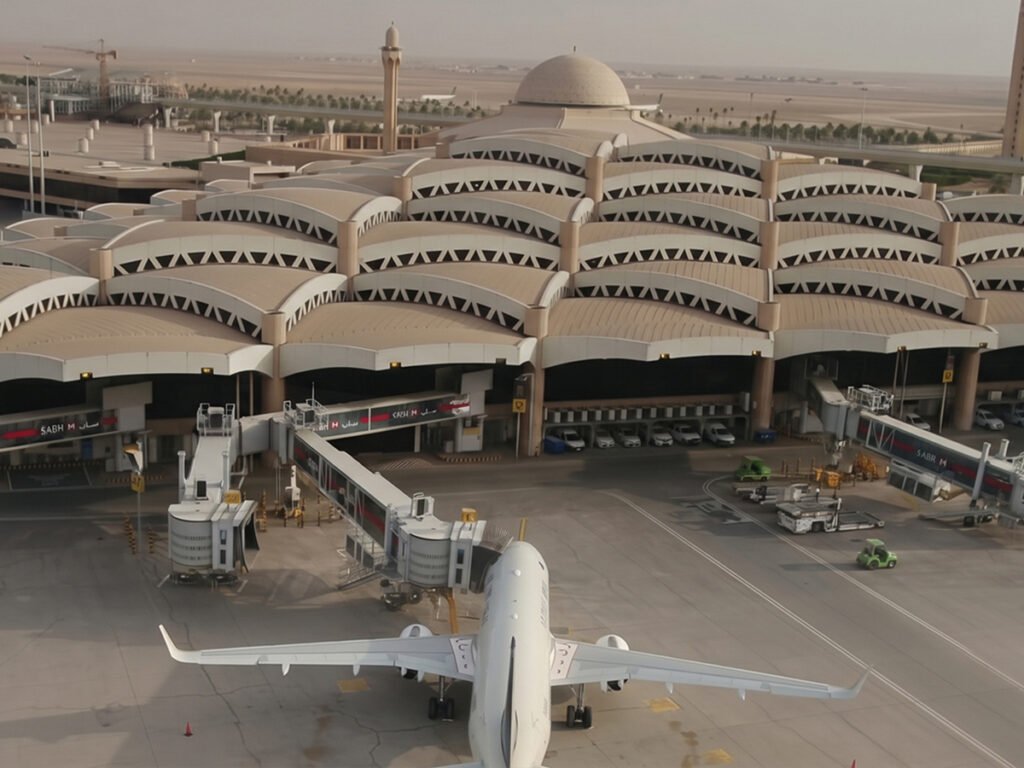
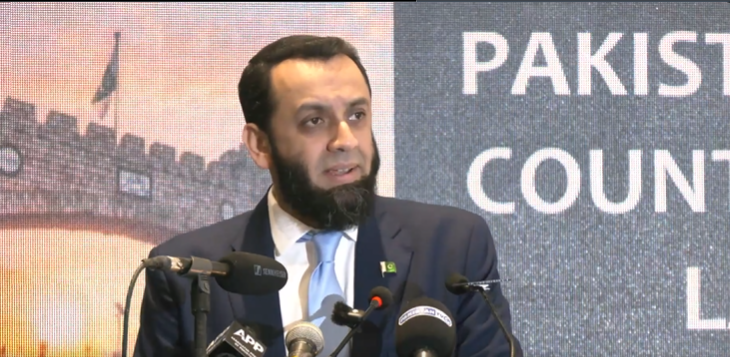
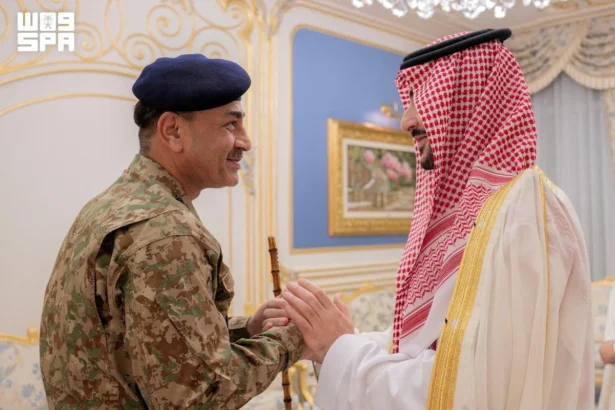
Pakistan and Saudi Arabia have agreed to ensure the rapid deployment of the military forces and capabilities required under their joint defence arrangement. The commitment was reaffirmed during a high-level meeting in Riyadh attended by Pakistani, Saudi and Turkish officials amid escalating security concerns linked to attacks by Yemen’s Houthi movement.
According to the available information, the agreement was activated for the first time on Monday. However, officials have not disclosed the number of Pakistani personnel involved, the mission’s scope, the deployment period or its financial implications.
Pakistan’s Information Ministry said the agreement had completed all necessary government procedures. The ministry described details of the deployment as operationally confidential but did not clarify whether the federal cabinet or parliament had formally considered the decision.
How the Decision Differs From Pakistan’s 2015 Approach
The latest commitment has drawn comparisons with Pakistan’s response when Saudi Arabia sought military assistance for its campaign in Yemen in 2015.
At the time, the matter was presented to parliament, which unanimously decided that Pakistan should remain neutral in the conflict while continuing to support Saudi Arabia’s territorial security and the protection of its holy sites.
The latest arrangement has renewed questions about the extent of parliamentary consultation on overseas military deployments. Some analysts view the development as reflecting the military leadership’s significant role in shaping Pakistan’s foreign and security policies.
Pakistan’s constitutional framework assigns authority over the armed forces to civilian institutions, while the military has historically played an influential role in defence and foreign affairs.
Asim Munir’s Role and Civilian Oversight
Field Marshal Asim Munir occupies a central position in Pakistan’s military leadership. Constitutional changes introduced last year strengthened his position, according to the information provided, by placing all three armed services under his command until 2030. He also received the lifetime rank of field marshal and immunity from criminal prosecution under the revised constitutional framework.
The changes have intensified discussion about the balance of authority between elected representatives and the military leadership, particularly in decisions involving overseas deployments and strategic partnerships.
The opposition Pakistan Tehreek-e-Insaf has also highlighted the importance of political deliberation. A party spokesperson said the deployment should be assessed through political judgment, although the party did not clearly state whether it supported the commitment.
Potential Implications for Pakistan-Iran Relations
Pakistan’s commitment to Saudi Arabia comes as Islamabad pursues diplomatic engagement involving Iran and the United States.
Any direct Pakistani combat role against Yemen’s Houthis, who are backed by Iran, could complicate Islamabad’s relations with Tehran. However, the nature of the Pakistani deployment remains unclear, and there is no confirmed information establishing whether the forces would participate in combat operations or undertake other defence-related duties.
The distinction is significant because the deployment’s mission and operational scope will help determine its potential regional and diplomatic implications.
A Longstanding Defence Partnership
The latest arrangement builds on years of military cooperation between Pakistan and Saudi Arabia. Pakistan has previously deployed thousands of troops to the kingdom under bilateral security arrangements.
Closer military cooperation could reinforce Pakistan’s strategic relationship with Saudi Arabia and other Gulf partners. At the same time, the absence of publicly disclosed deployment details has renewed questions about transparency and civilian oversight in decisions involving national security.
Whether the latest commitment will involve combat duties, training, advisory support or other military functions remains to be established through official clarification.
For now, the central questions concern the deployment’s scope, the decision-making process and its potential impact on Pakistan’s regional relationships.
Author