


ISLAMABAD: The federal government has proposed a massive national development budget of Rs3.675 trillion for the upcoming fiscal year, prioritizing infrastructure, water resources, education, technology, and regional development projects across the country.
According to budget documents, Rs1 trillion has been allocated for the Federal Public Sector Development Programme (PSDP), while provincial Annual Development Programmes (ADPs) will receive Rs2.224 trillion. An additional Rs451 billion has been earmarked for the development expenditures of public sector institutions.
The government plans to finance the federal PSDP through Rs745 billion in domestic resources and Rs255 billion in external funding. Officials say the primary objective of the development budget is to accelerate the completion of ongoing projects rather than launching a large number of new schemes.
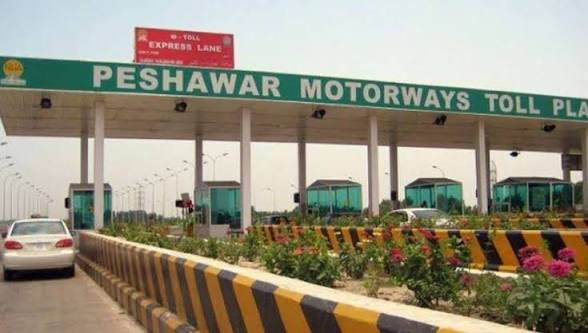
Infrastructure development remains a key priority, with the largest allocation of more than Rs224.51 billion designated for the National Highway Authority (NHA). The Ministry of Water Resources will receive Rs103.08 billion for water storage and related projects, while the Power Division has been allocated Rs88 billion for energy sector initiatives.
The budget also includes major investments in transportation infrastructure. The Railway Division has been allocated Rs40.65 billion to modernize the railway network. Several highway expansion projects, including the Karachi-Quetta-Chaman Road and the Khuzdar-Kuchlak section of the National Highway, will receive substantial funding to improve connectivity and facilitate trade.
Education and youth development have received significant attention. The Higher Education Commission (HEC) has been allocated Rs46 billion, while the Ministry of Federal Education and Professional Training will receive Rs36.31 billion. The Prime Minister’s Youth Programme has been allocated Rs10.9 billion, and an additional Rs3 billion has been earmarked for an IT Youth Programme aimed at enhancing digital skills among young Pakistanis.
In a move to improve educational opportunities in underserved regions, the government has decided to expand the network of Daanish Schools. New allocations include Rs4.2 billion for schools in Skardu, Astore, Shigar and Sultanabad, Rs1.33 billion for a Daanish School project in Islamabad, and Rs6.6 billion for institutions in Azad Kashmir, Balochistan and Sindh.
Technology and innovation have also been highlighted in the development strategy. The government has allocated Rs105 million for the Quantum Valley Pakistan project and approved plans for an Emerging Technologies Data Center to strengthen the country’s technological and security capabilities. The Digital Economy Enhancement Project will receive Rs655 million through foreign assistance.
Regional development remains another major focus. Budget documents show that Rs89 billion has been allocated jointly for Azad Jammu and Kashmir and Gilgit-Baltistan, while Rs56.07 billion has been earmarked for the accelerated development of the merged districts of Khyber Pakhtunkhwa.
Climate and environmental initiatives have also secured funding. The Climate Change Division will receive Rs2.47 billion, while the revised Green Pakistan Programme has been allocated Rs2.33 billion to support afforestation and environmental protection efforts.
The budget further includes allocations for the completion of the New Gwadar International Airport, modernization of security institutions, customs infrastructure in Gwadar, and the construction of a Hajj Complex in Lahore.
Government officials say the development budget is designed to boost economic growth, improve public infrastructure, create employment opportunities, and strengthen Pakistan’s long-term development framework through targeted investments in critical sectors.
About The Author