

Pakistan has called for coordinated international regulation of digital assets, tokenisation and blockchain technologies to build a more inclusive global financial system.
Pakistan has urged United Nations member states to move beyond discussions on digital assets and work collectively to establish regulatory frameworks for the next generation of global finance.
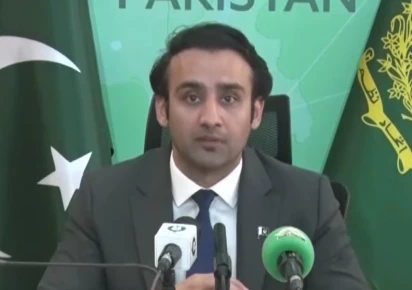
Minister of State and Chairman of the Pakistan Virtual Assets Regulatory Authority (PVARA) Bilal Bin Saqib made the remarks during a virtual keynote address at the UN Headquarters. He was speaking at a session titled “Digital Assets and Blockchain for Sustainable Development: Advancing Digital Finance through Innovation.”
Bin Saqib said digital assets, tokenisation and distributed ledger technologies could help developing economies create financial systems that are more inclusive, efficient and accessible.
“The question is not whether these technologies will scale, but who will shape them and in whose interest,” he said.
The minister stressed that ordinary people should remain at the centre of the global debate on digital finance. He noted that around 1.4 billion adults worldwide remain outside the formal financial system, while billions more face high remittance costs and limited access to credit.
He also highlighted the continuing cost of international remittances. According to Bin Saqib, sending $200 across borders still costs more than twice the 3% target established under Sustainable Development Goal 10c. Lowering remittance costs, he said, could return billions of dollars to families each year.
Bin Saqib said digital finance could also create new opportunities for small businesses, farmers and women entrepreneurs. Digital identities and verifiable financial records, he added, could help demonstrate economic activity without relying heavily on traditional forms of collateral.
He further pointed to tokenisation as a potential channel for expanding investment opportunities. Assets such as infrastructure bonds and renewable energy projects could be divided into smaller investment units, potentially allowing wider participation in investment markets.
Distributed ledger technology could also strengthen transparency and accountability in areas including public spending and supply chains, according to the minister.
The session was organised by Pakistan’s Permanent Mission to the UN in collaboration with the United Nations Development Programme (UNDP), UN Trade and Development (UNCTAD) and the Office of the Secretary-General’s Envoy on Technology (ODET).
About The Author