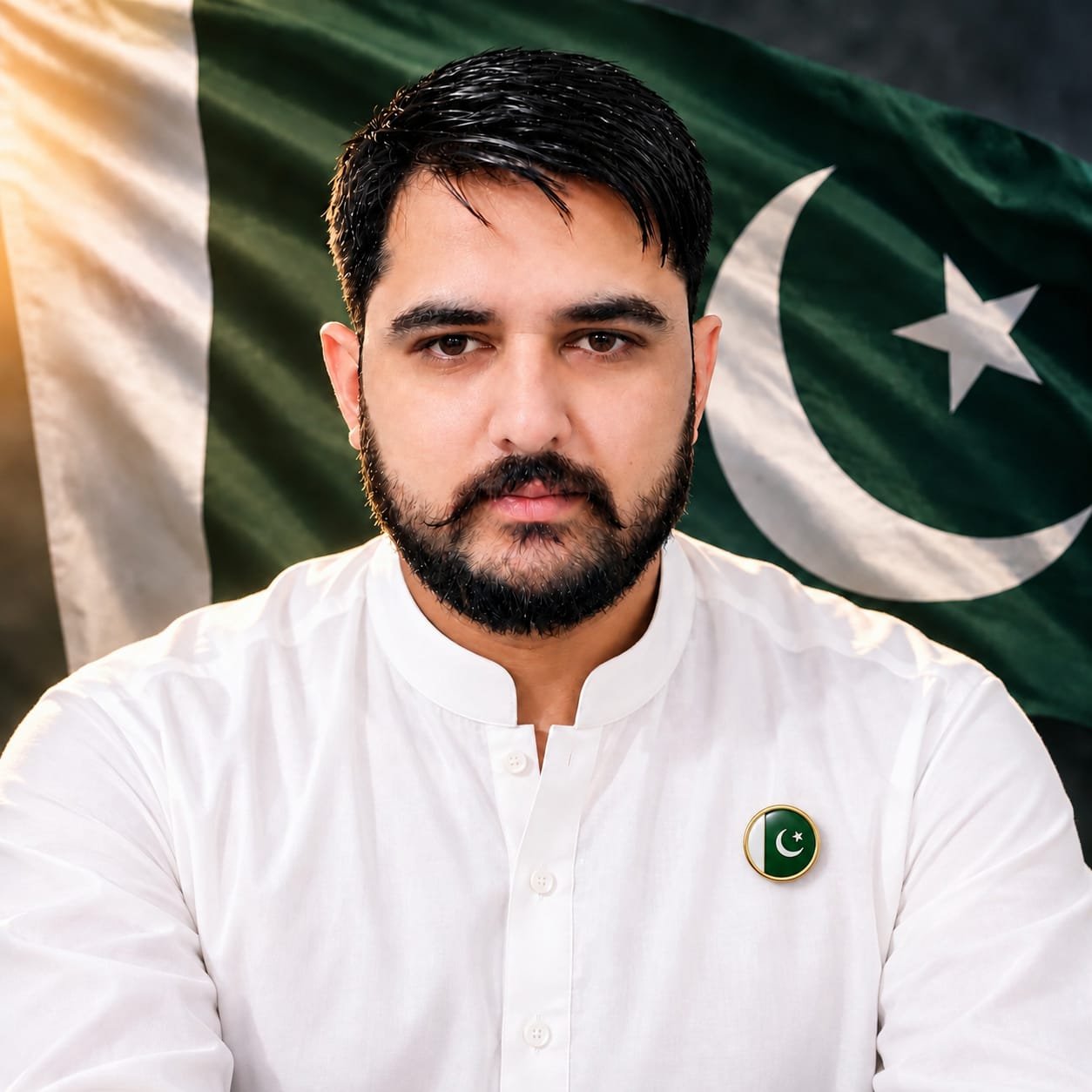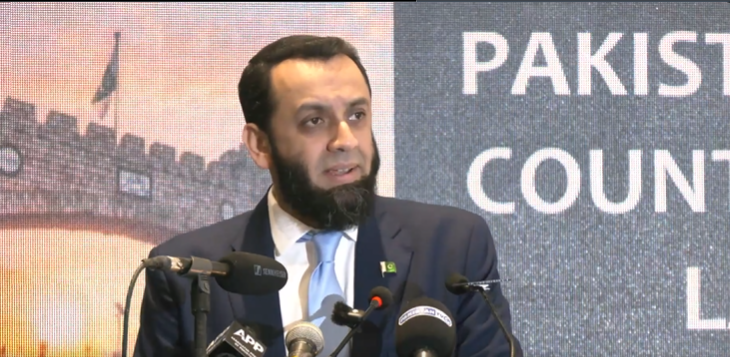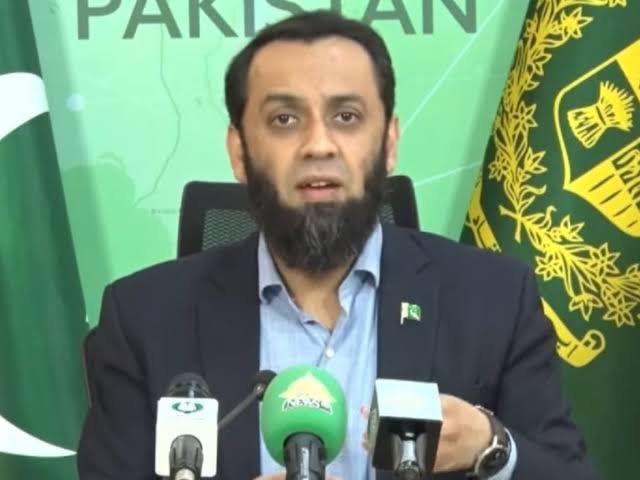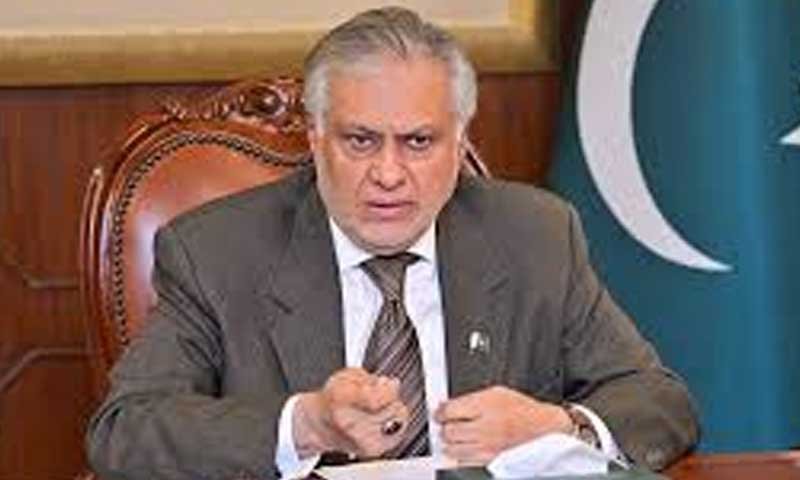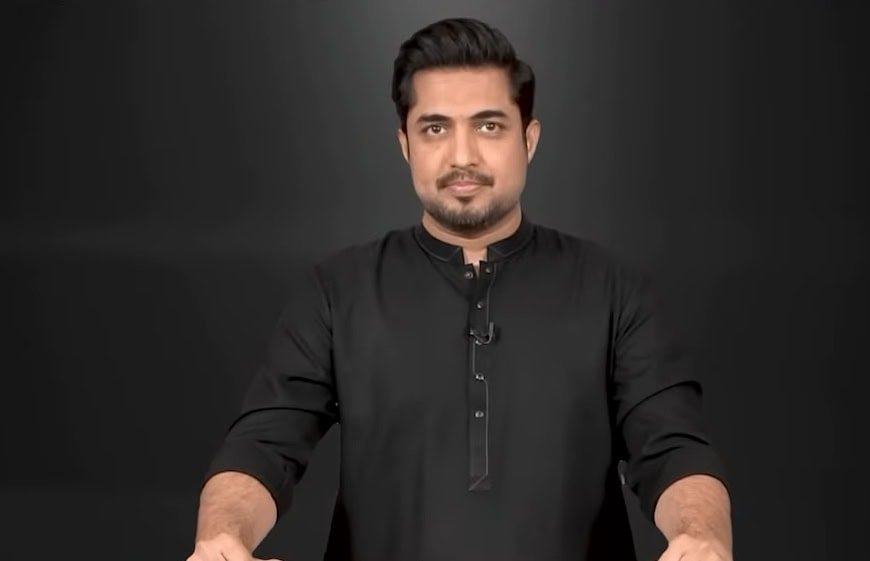

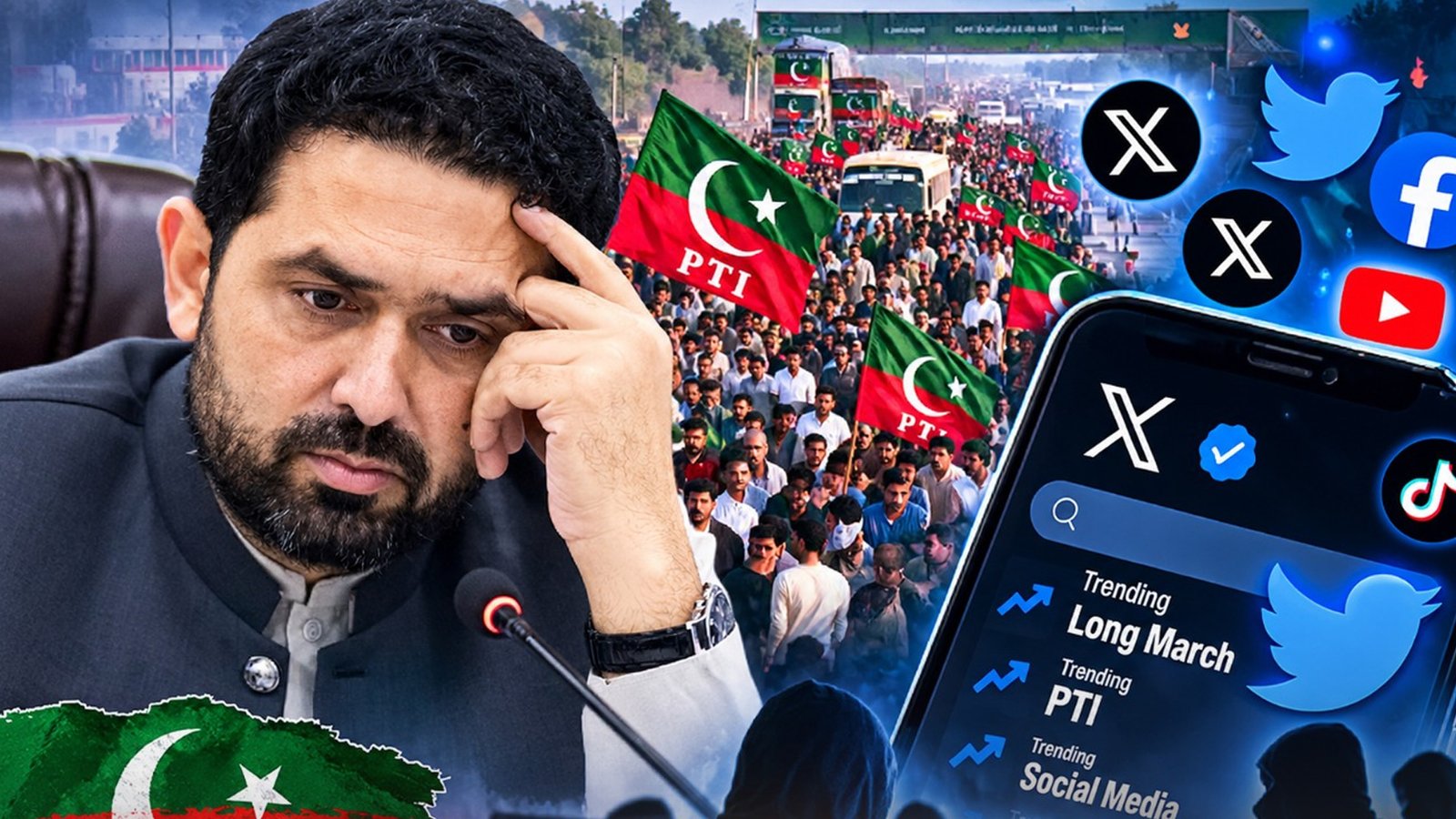

PTI leaders, including Junaid Akbar, Shafi Jan and Shahid Khattak, have come under criticism on social media amid growing political tensions and questions about governance in Khyber Pakhtunkhwa.
Political tensions in Khyber Pakhtunkhwa have intensified as Pakistan Tehreek-e-Insaf (PTI) leaders, including Junaid Akbar, Shafi Jan and Shahid Khattak, face criticism on social media over their statements and alleged threats on the platform X following a controversial protest march.
The criticism comes amid an increasingly confrontational political environment in the province, where debates over governance, public support and the future of the provincial government have become central to political discourse.
Social media users critical of PTI have described the party’s recent political messaging as an attempt to maintain pressure amid mounting challenges. However, the claims about the party’s internal concerns and the extent of declining public support have not been independently established in the material provided.
PTI’s Political Strategy Under Scrutiny
According to social media commentary cited in the report, PTI’s protest march has faced criticism, with opponents portraying its outcome as a political setback. The commentary also alleges that some party leaders have increasingly relied on online statements and confrontational rhetoric rather than engaging with political challenges on the ground.
The report names Junaid Akbar, Shafi Jan and Shahid Khattak among the PTI figures facing criticism. However, it does not provide the specific posts or statements attributed to these leaders, making it difficult to independently assess the allegations of threats.
Critics argue that social media has become an important arena for political confrontation, with competing groups using online platforms to challenge opponents and defend their positions. The criticism reflects broader tensions between political parties in Khyber Pakhtunkhwa.
The controversy has also renewed debate over whether online political messaging can translate into public support and influence developments beyond digital platforms.
Law Enforcement and Public Order Concerns
The report further claims that state authorities and law enforcement agencies have taken notice of alleged threats and confrontational statements. However, it does not identify the agencies involved, specify any official orders or provide details of possible legal action.
Any assessment of the matter would require confirmation of the relevant official statements, investigations or proceedings. Allegations against political figures should be evaluated on the basis of verifiable evidence and applicable law.
Maintaining public order while protecting lawful political expression remains an important consideration amid heightened political tensions. Any action taken by authorities should follow constitutional and legal procedures.
Governance Debate Continues in KP
Political analysts cited in the report say that prolonged political confrontation and questions about provincial governance have contributed to tensions between rival parties. They argue that political groups are attempting to preserve their influence through protests, public statements and pressure campaigns.
The wider debate concerns the performance of the provincial government, political accountability and the ability of competing parties to maintain public confidence.
The latest controversy highlights the role of social media in shaping political narratives in Khyber Pakhtunkhwa. Yet claims about the success or failure of a political campaign, the level of public support and the intentions of individual leaders require evidence beyond partisan commentary.
As political competition continues, the province’s governance, public security and adherence to constitutional and legal procedures are likely to remain important issues in the debate.
Author