
Islamabad emerges as key diplomatic venue as both sides prepare for a decisive phase of negotiations
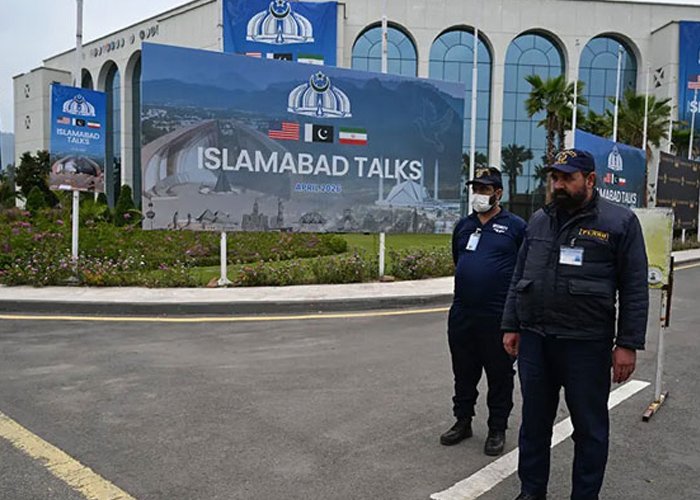
ISLAMABAD: The second and highly significant round of negotiations between the United States and Iran is scheduled to take place in Islamabad on Wednesday, marking a critical step in ongoing diplomatic efforts to ease escalating tensions.
According to reports, Iranian negotiators have received formal approval from Supreme Leader Ayatollah Ali Khamenei to travel to Pakistan for the talks. The development signals Tehran’s willingness to engage in dialogue at a crucial moment in the crisis.
Sources indicate that the upcoming round is expected to focus on key contentious issues, including de-escalation measures, regional security concerns, and potential frameworks for a broader agreement. Diplomatic observers describe the meeting as a “decisive phase” that could shape the trajectory of US-Iran relations.
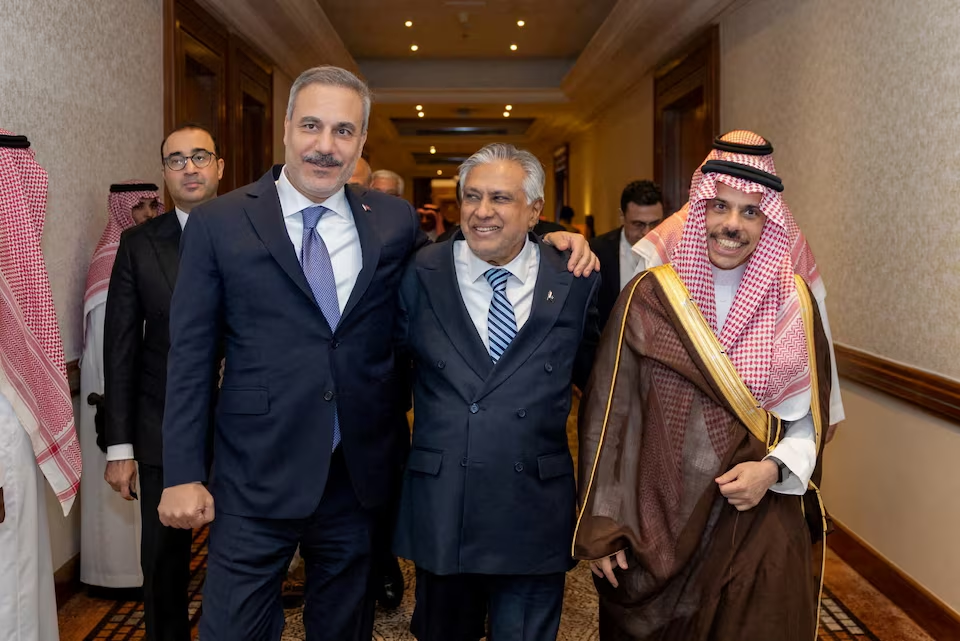
Pakistan has positioned itself as a central mediator in the process, facilitating communication between both sides. Officials in Islamabad have been actively coordinating logistical and security arrangements to ensure the smooth conduct of the negotiations.
The talks come amid heightened tensions in the region, including recent military developments and sharp rhetoric from both Washington and Tehran. Despite this, both sides have indicated a willingness to pursue diplomacy alongside maintaining strategic preparedness.
Analysts suggest that the approval by Iran’s Supreme Leader reflects internal consensus within the Iranian leadership to explore diplomatic options, even as the country continues to assert its readiness for conflict if required.
The outcome of Wednesday’s negotiations could have far-reaching implications, not only for US-Iran relations but also for regional stability, global energy markets, and ongoing geopolitical alignments.
About The Author