

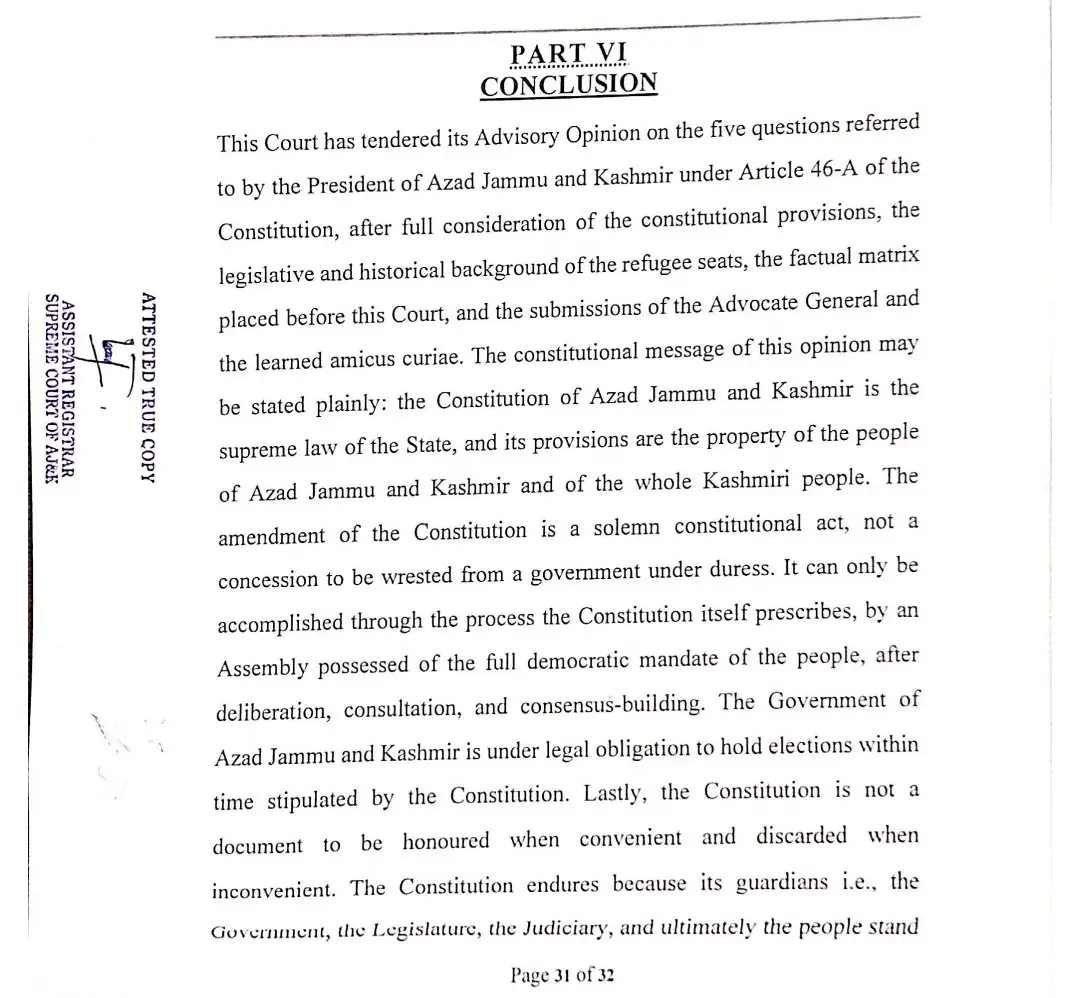
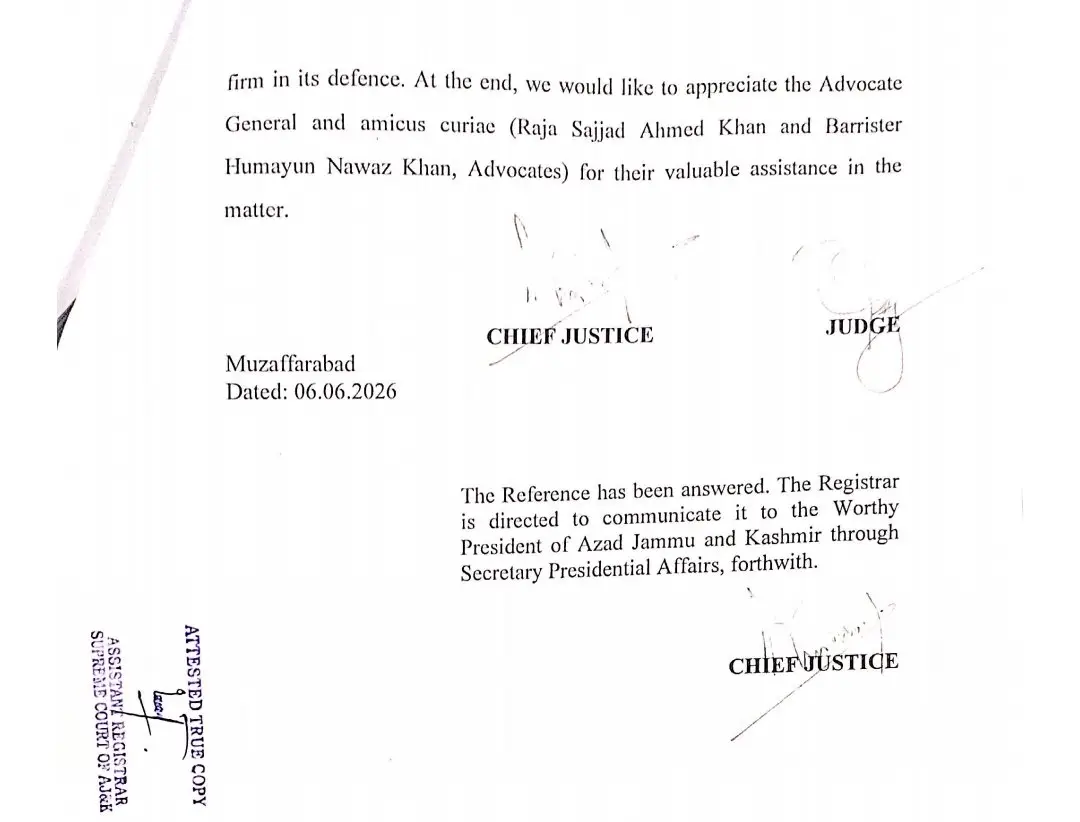
The court clarified that reserved refugee seats in the AJK Assembly carry constitutional protection and cannot be changed through administrative action.
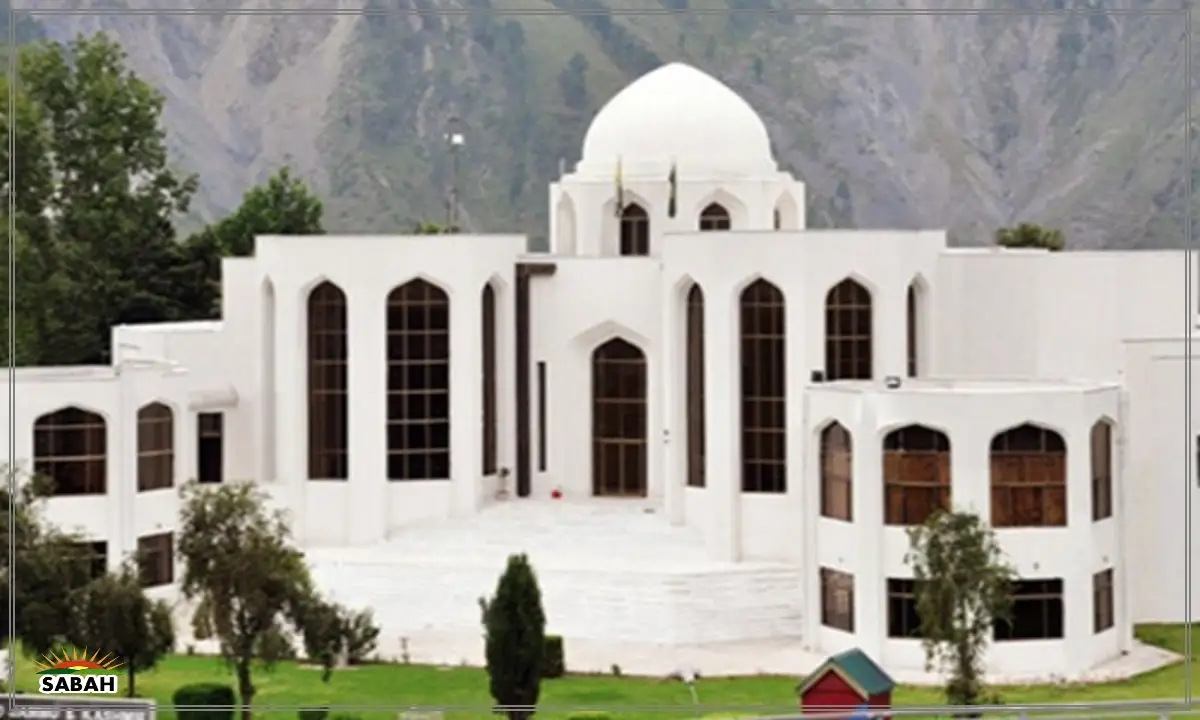
A major constitutional development has emerged from Azad Kashmir, where the Supreme Court has issued a significant ruling regarding the future of 12 reserved refugee seats in the Legislative Assembly—an issue that has long fueled political debate, legal challenges, and public protests.
According to the court’s interpretation, the reserved seats for refugees enjoy protection under constitutional provisions and cannot be abolished, reduced, or altered through executive or administrative decisions. The ruling emphasized that such changes would require a formal constitutional amendment, reinforcing the legal framework governing representation in the region.
The dispute centers on 12 seats allocated to Kashmiri refugees settled outside the region, which form part of the broader electoral structure of the Azad Jammu and Kashmir Assembly. These seats have often been criticized by political and civil groups, while supporters argue they represent displaced populations and preserve historical representation.
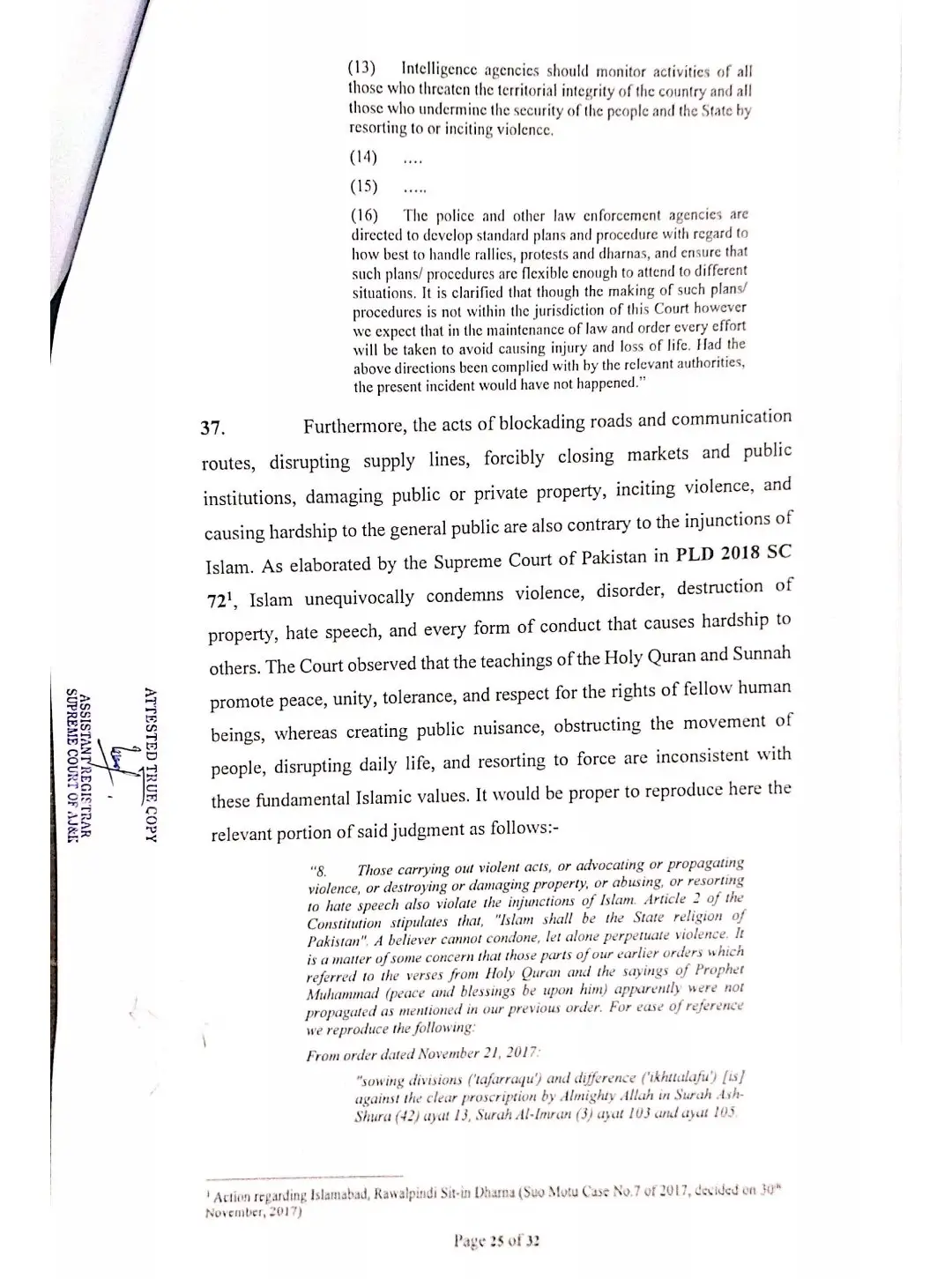
The court further observed that any attempt to modify or eliminate these seats without following the constitutional amendment process would be legally invalid. The judgment underscores that political pressure, protests, or administrative orders cannot override constitutional safeguards.
The decision is expected to have far-reaching implications for ongoing political discussions in Azad Kashmir, where calls for electoral reform and representation changes have intensified in recent years. Legal experts believe the ruling may also influence future debates over the balance between territorial representation and diaspora voting rights.
As the issue continues to draw attention across political and legal circles, the verdict has effectively clarified that any structural change in representation must pass through the established constitutional pathway rather than executive discretion.
About The Author