

Energy infrastructure attacks and rising oil prices push the Middle East toward a dangerous tipping point.
WEB DESK: The Middle East edged closer to a wider conflict Thursday as the United States accelerated a $16.46 billion arms package to Gulf allies following Iranian strikes on key energy facilities.
The move comes after Iran targeted critical infrastructure in Qatar, Saudi Arabia, and Kuwait, escalating tensions and prompting warnings from Tehran of “zero restraint” if further attacks occur.
Global markets reacted sharply. Brent crude prices climbed to $119 per barrel, while European gas prices surged 35%, reflecting fears of prolonged disruption.
One of the most significant strikes hit Qatar’s Ras Laffan liquefied natural gas complex, the world’s largest LNG facility. Officials say the હુમ damage has reduced export capacity by roughly one-sixth, with repairs expected to take up to five years.
The escalation follows an Israeli strike on Iran’s South Pars gas field. Israeli Prime Minister Benjamin Netanyahu described the operation as unilateral, while US President Donald Trump urged restraint but warned Iran against further targeting Gulf assets.
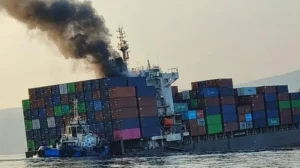
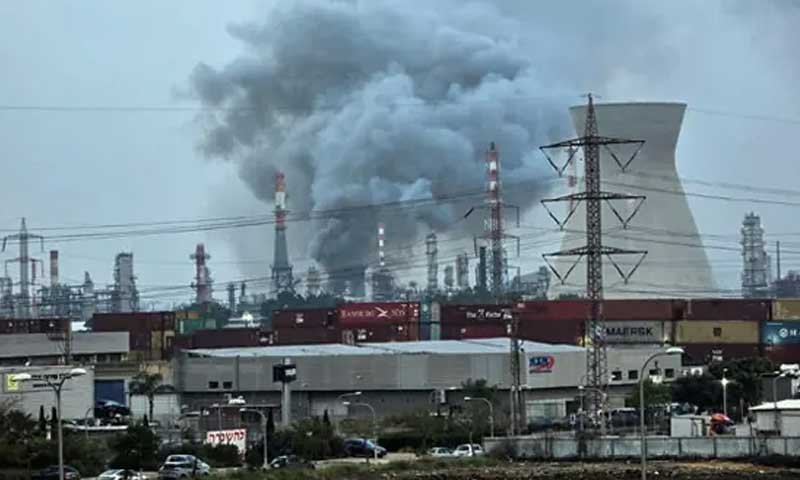
Meanwhile, drone and missile attacks have spread across the region. Saudi Arabia’s Yanbu refinery and Kuwait’s Mina Abdullah and Mina Al-Ahmadi facilities were hit, with fires reported. Israeli media also cited a strike on Haifa’s oil refinery.
The US package includes advanced missile defense systems and surveillance capabilities for Gulf states. As the United Nations urges de-escalation, the Strait of Hormuz remains a critical flashpoint, raising fears of a broader energy crisis.
About The Author