
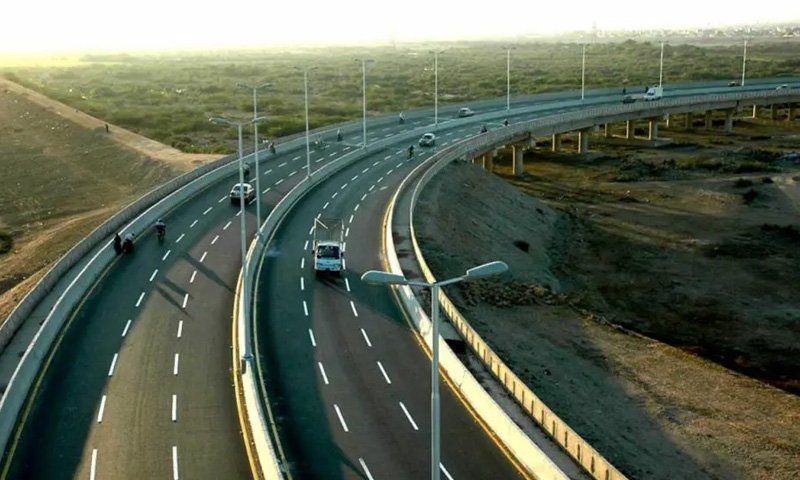

The 172-kilometre motorway is expected to improve regional connectivity, boost trade, and provide a faster alternative to the Karakoram Highway.
ISLAMABAD: The federal government has announced plans for a major new motorway connecting Mansehra, Kaghan, Naran, Jhalakand, and Chilas, a project officials say could significantly enhance trade, tourism, and regional connectivity across northern Pakistan.
The announcement was made by Abdul Aleem Khan during a meeting of the National Highway Authority, where key details of the Mansehra–Naran–Jhalakand–Chilas (MNJC) Motorway were presented.
According to the federal minister, the 172-kilometre motorway will be constructed in two phases. The first phase will cover the route from Mansehra through Kaghan and Naran to Babusar Top, while the second phase will extend the motorway from Babusar Top to Chilas.
Officials said the new route will provide a safer and more efficient alternative to the Karakoram Highway. The motorway is expected to shorten travel distances by approximately 120 kilometres compared to existing routes, improving access for both passengers and freight transport.
A major highlight of the project is the proposed 13.5-kilometre Babusar Tunnel, which is expected to become the longest tunnel in Pakistan upon completion. The tunnel is designed to improve year-round connectivity in the mountainous region and reduce travel challenges associated with harsh weather conditions.
Aleem Khan emphasized the strategic economic significance of the motorway, stating that it will strengthen links between western China and Pakistan’s southern ports. He noted that the corridor could provide the fastest and shortest route connecting western China to the Arabian Sea through the ports of Port of Karachi and Gwadar Port.
The minister described the project as a potential game changer for regional commerce and the long-term development of Gwadar, which remains a key component of Pakistan’s trade and logistics ambitions.
Under current plans, the motorway will initially be built with four lanes, while provisions have been included for future expansion to six lanes as traffic demand increases. The National Highway Authority also intends to establish rest areas every 25 to 30 kilometres along the route and construct trucking terminals on both sides of the motorway to facilitate the movement of goods.
During the meeting, the NHA chairman also briefed the communications minister on various ongoing and future infrastructure matters related to the authority’s national road network development plans.
About The Author