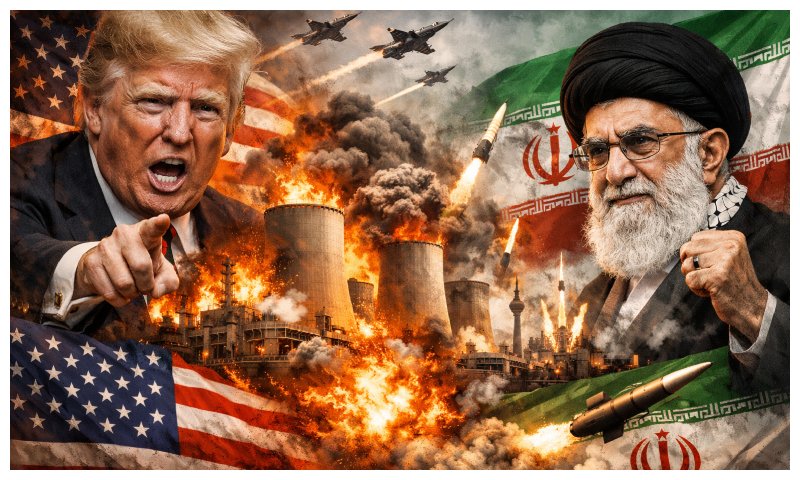

Rising military threats and energy security fears push the Gulf toward a potential wider regional conflict
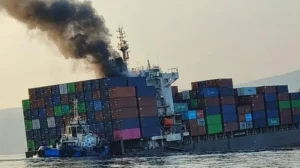
TEHRAN: Tensions in the Gulf surged as the United States and Iran exchanged sharp warnings over energy infrastructure and shipping routes, raising fears of wider conflict.
US President Donald Trump issued a 48-hour ultimatum demanding that Iran fully reopen the Strait of Hormuz, a vital corridor for global oil and gas trade, warning of possible strikes on Iranian power facilities if it fails to comply.
Iranian President Masoud Pezeshkian said threats would not weaken national resolve, insisting the strait remains open to countries that respect Iranian sovereignty. Tehran warned it could target US and allied energy and desalination infrastructure across the Gulf if attacked.
Iranian parliamentary leaders said any strike on its power grid would trigger “irreversible” consequences for regional infrastructure.
The escalation has already disrupted energy markets, pushing oil prices higher and increasing pressure on global supply chains. Analysts warn that further attacks could impact shipping, trigger power shortages, and deepen inflation worldwide.
Trump has signaled continued military objectives against Iran’s missile and defense capabilities while suggesting international actors could help secure maritime routes.
The exchange follows missile strikes between Iran and Israel and reported retaliatory attacks across the region, further widening the conflict. Hezbollah activity in Lebanon has also intensified cross-border violence.
Global leaders have urged restraint as the 48-hour deadline approaches, warning that miscalculation could ignite a broader regional war with severe economic and humanitarian consequences.
About The Author