

Quiet diplomatic efforts signal possible shift as regional powers work to prevent escalation between Washington and Tehran
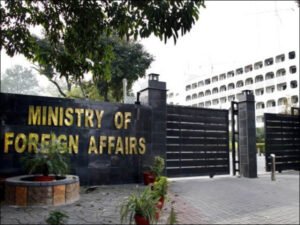
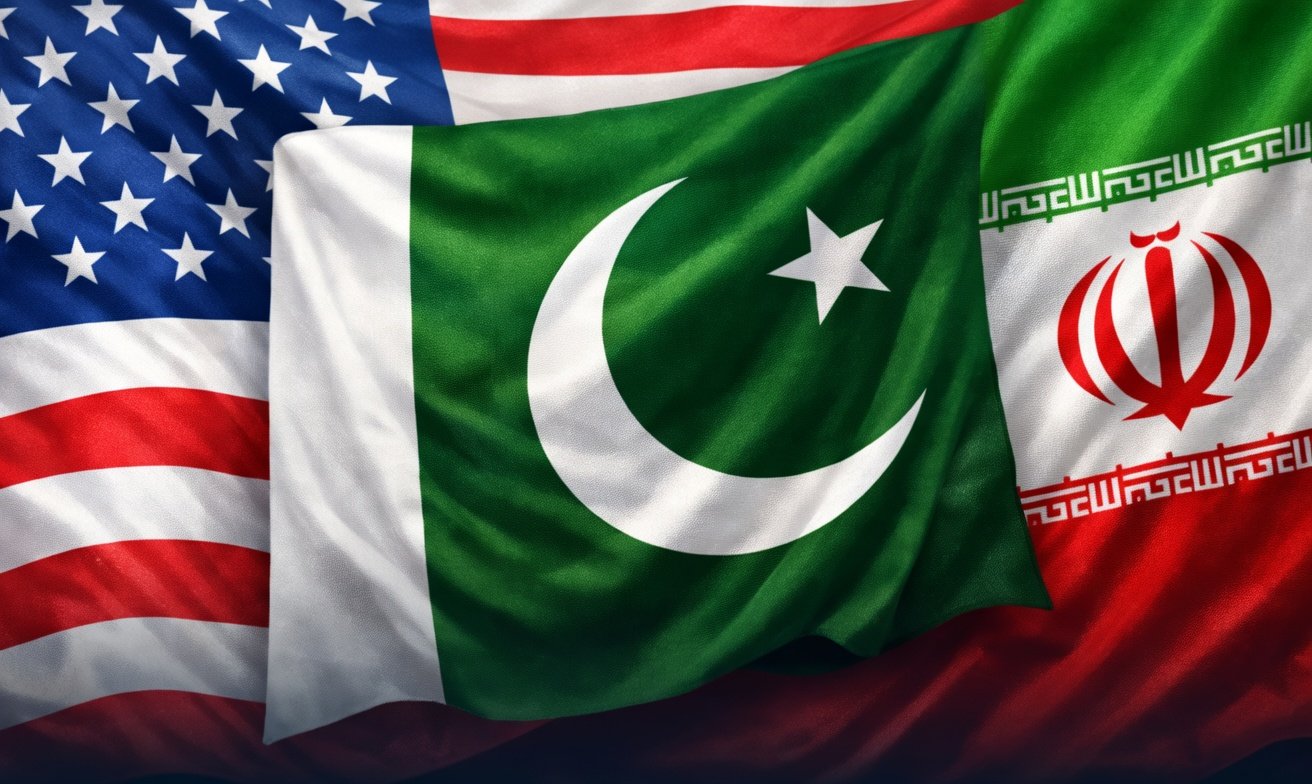
Pakistan has emerged as a key diplomatic interlocutor as backchannel contacts intensify between the United States and Iran amid efforts to de-escalate regional tensions, officials said Tuesday. The development comes as regional actors including Turkiye and Egypt reportedly coordinate messaging aimed at preventing escalation linked to potential strikes on Iranian energy infrastructure.
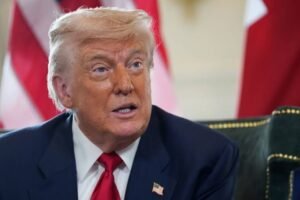
Officials familiar with the exchanges said a five-day pause on proposed U.S. consideration of strikes against Iranian energy and power facilities has taken shape through indirect communication channels. U.S. President Donald Trump said Washington had held constructive discussions with Tehran, while stressing that any pause remains limited and conditional. Messages have reportedly been relayed between U.S. envoy Steve Witkoff and Iranian Foreign Minister Abbas Araghchi, though no direct talks have been confirmed.
In Islamabad, Prime Minister Shehbaz Sharif and Deputy Prime Minister Ishaq Dar have emphasized diplomatic engagement with Iranian President Masoud Pezeshkian. Pakistan’s role in facilitating communication has drawn attention amid speculation it could host future talks, though officials caution no decision has been made. Concerns remain over the Strait of Hormuz, a vital shipping route central to global energy flows. Islamabad maintains that sustained dialogue is essential to prevent wider regional instability.
About The Author