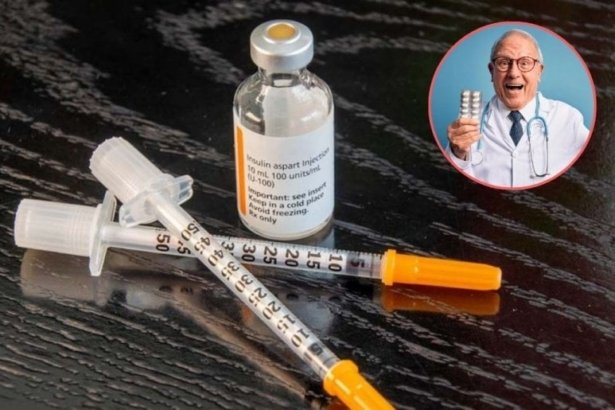

Researchers at Kumamoto University have made a major breakthrough by developing insulin pills capable of surviving the digestive system potentially replacing daily injections for millions of diabetes patients.
For decades scientists struggled to create oral insulin because the digestive system breaks down insulin before it can enter the bloodstream. However the new approach uses a cyclic compound known as the DNP peptide which allows insulin to pass through the small intestine and become effective.
The study published in Molecular Pharmaceutics outlines two methods: a mixing method where insulin and the peptide work together without altering structure, and a conjugation method where both are chemically bonded. Both approaches successfully lowered blood glucose levels in experimental models.
Although oral insulin usually requires very high doses the new technique improves bioavailability to around 33-41 percent significantly reducing dosage needs.
Lead researcher Shingo Ito said the innovation could transform diabetes care and may also apply to other injectable medicines. Experts believe this advancement brings the world closer to a needle-free future for managing diabetes.
About The Author