
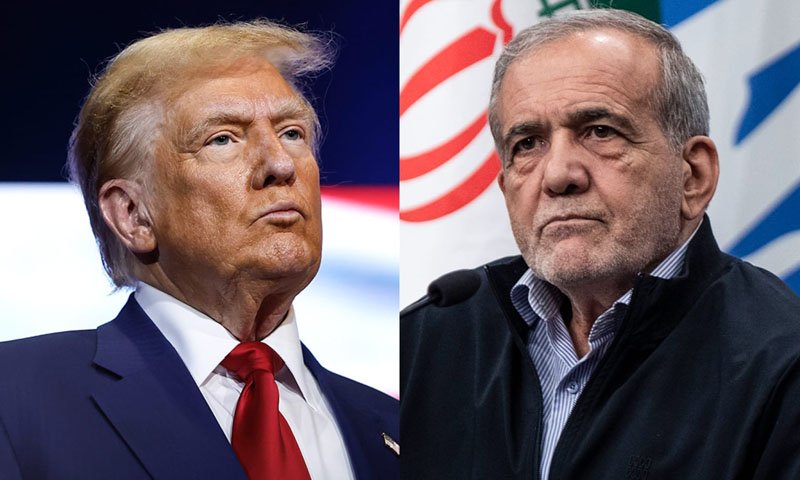

Backchannel messages continue, but widening mistrust and ongoing military strikes cloud chances of a breakthrough.
WASHINGTON: Nearly four weeks into escalating hostilities, stark contradictions have emerged between the United States and Iran over the likelihood of a ceasefire.
US President Donald Trump said Iranian leaders were quietly seeking a deal but reluctant to admit it publicly, citing fears of domestic backlash and further military pressure. However, Iran’s Foreign Minister Abbas Araqchi rejected claims of formal negotiations, emphasizing that only indirect messages had been exchanged through intermediaries.
At the center of the dispute is a US-backed ceasefire proposal reportedly requiring Tehran to curb its nuclear and military activities. While details remain undisclosed, Washington has warned of intensified military pressure if Iran refuses compliance.
Meanwhile, Israeli officials remain skeptical, concerned that any agreement could limit operational flexibility. Regional tensions have also expanded, with Iran signaling that any ceasefire must address broader dynamics, including developments in Lebanon.
The conflict has already disrupted global energy markets, particularly through the effective closure of the Strait of Hormuz, a critical oil transit route. Rising fuel costs and supply chain disruptions have prompted governments to consider emergency economic measures.
On the ground, military operations continue. US Central Command reports thousands of strikes targeting Iranian infrastructure, while Israel maintains sustained attacks.
UN Secretary-General Antonio Guterres warned the situation risks spiraling into a wider war, urging immediate diplomatic efforts. Despite ongoing backchannel communication, a resolution appears distant.
About The Author