
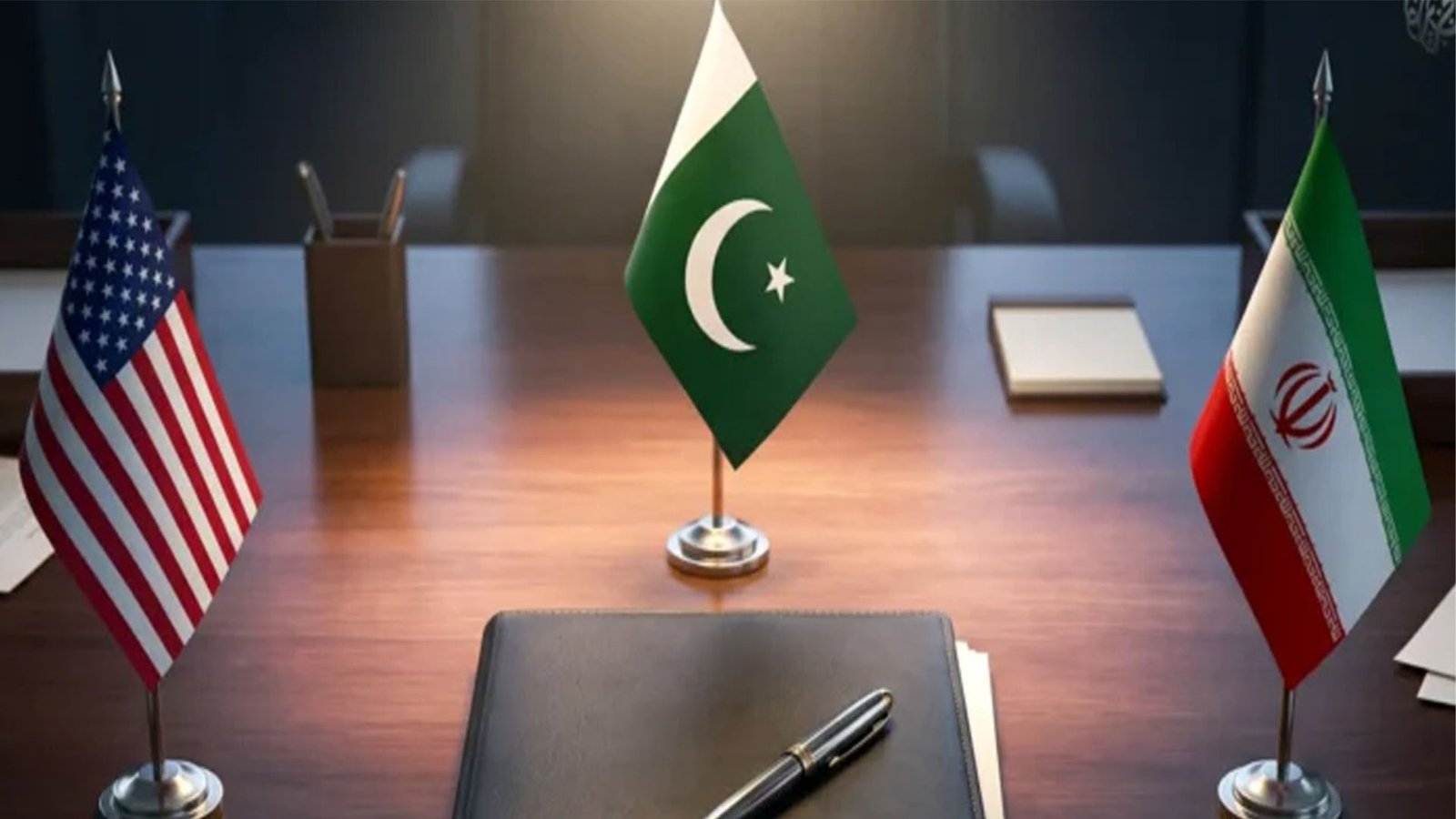

Pakistan’s Islamabad Accord Sets Immediate Ceasefire and Extended Peace Framework Between Washington and Tehran
Pakistan has presented a comprehensive ceasefire framework to both the United States and Iran, now being referred to in international media as the Islamabad Accord, sources told Reuters. The proposal represents a significant diplomatic achievement for Islamabad and could pave the way for reduced tensions in the broader Middle East.
According to the report, Pakistan’s proposed framework is designed in two stages: an immediate ceasefire followed by a more comprehensive and sustainable agreement. Pakistani Army Chief General Asim Munir reportedly maintained continual communication throughout the negotiations with U.S. Vice President J.D. Vance, advisor to former President Donald Trump Steve Wittkoff, and Iran’s Foreign Minister Abbas Araghchi.
Senior Iranian officials have confirmed receipt of Pakistan’s ceasefire proposal but emphasized that Tehran will not accept pressure or arbitrary deadlines for any decision.
Under the terms of the Islamabad Accord, the Strait of Hormuz would be reopened immediately, and a detailed framework for a full ceasefire is expected to be finalized within 15 to 20 days. Officials familiar with the discussions say an initial consensus on the arrangement could be reached as soon as today.
Analysts view the Islamabad Accord as a major success for Pakistan’s diplomatic role and a potential turning point in efforts to reduce escalating regional conflict, offering a structured path toward negotiated peace.
About The Author