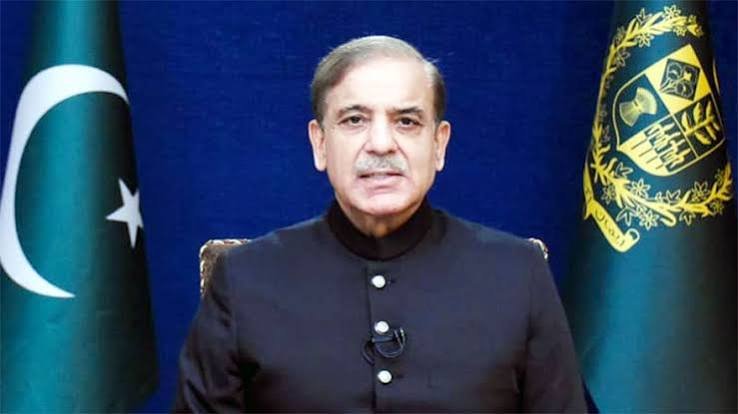

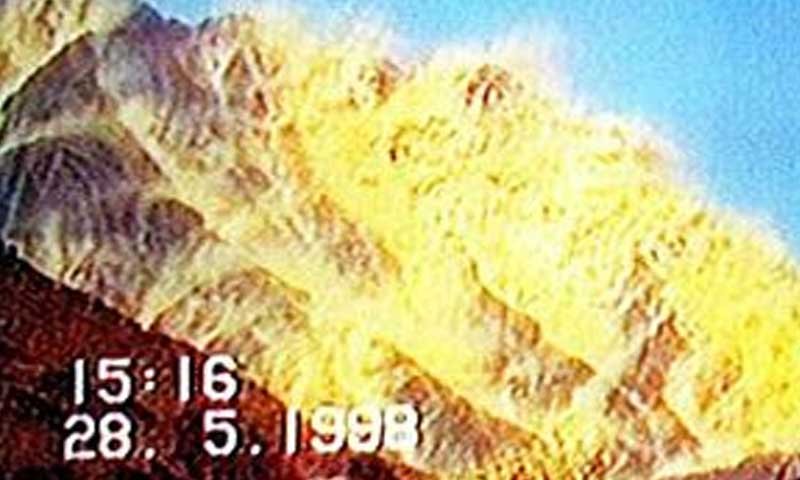

ISLAMABAD: Prime Minister Shehbaz Sharif on Thursday described Youm-e-Takbeer as a defining moment in Pakistan’s history, saying the day reflected the nation’s unwavering resolve, courage and commitment to national defence.
In a special message issued on the occasion of Youm-e-Takbeer, the prime minister said Pakistan’s successful nuclear tests established the country as a nuclear power and restored the balance of power in South Asia. He said the development sent a strong signal to the international community that Pakistan was fully capable of protecting its sovereignty and understanding its defence requirements.
Shehbaz Sharif stated that Pakistan harboured no aggressive intentions against any country, but maintained the right to defend itself against all threats. He stressed that the country’s dignity, freedom and territorial integrity remained non-negotiable, adding that Pakistan’s nuclear deterrence continued to serve as a strong shield against hostile ambitions.
The prime minister paid tribute to all individuals who contributed to Pakistan’s nuclear programme, including scientists, engineers, experts, workers and members of the armed forces. He particularly acknowledged the services of Dr Abdul Qadeer Khan and Dr Samar Mubarakmand, calling their contributions invaluable to strengthening the country’s defence capabilities.
He also praised the leadership role of former prime ministers Zulfikar Ali Bhutto and Nawaz Sharif in Pakistan’s journey toward becoming a nuclear state. According to the prime minister, Bhutto’s vision and Nawaz Sharif’s decisive leadership played a crucial role in achieving the historic milestone.
Shehbaz Sharif said Pakistan had faced severe economic pressure, diplomatic challenges and threats of sanctions before conducting the nuclear tests in 1998. However, he said Nawaz Sharif refused to bow to international pressure and remained steadfast in safeguarding Pakistan’s sovereignty and independence.
Youm-e-Takbeer is observed annually on May 28 to commemorate Pakistan’s nuclear tests conducted in Chagai, Balochistan, in 1998, following India’s nuclear tests earlier that month. The day is regarded as a symbol of national unity, strategic strength and defence preparedness across the country.
About The Author