
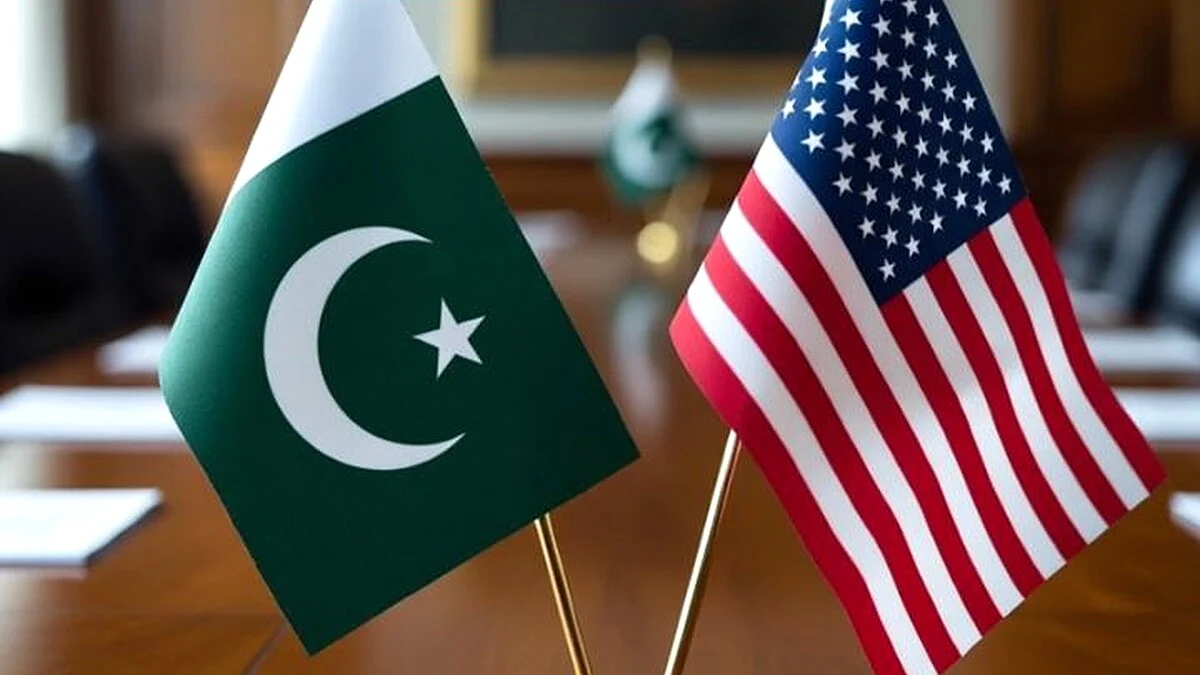

Diplomatic efforts accelerate in Islamabad as global powers push for dialogue while military escalations and economic shocks deepen uncertainty
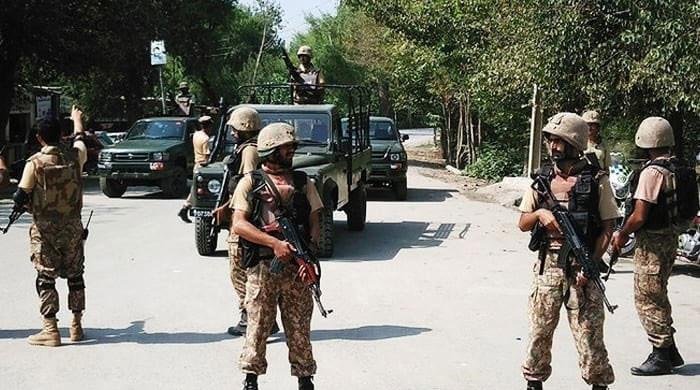
ISLAMABAD: A high-level United States delegation is set to arrive in Pakistan within hours, signaling a renewed push for diplomacy with Iran amid escalating regional tensions and fears of a broader conflict.
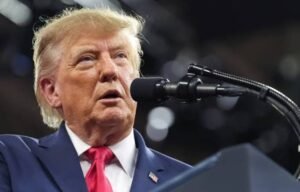
Former US President Donald Trump, speaking to an American newspaper, said he may personally meet Iranian leadership if negotiations in Islamabad yield positive results. He also claimed that a large portion of media reports surrounding the talks are “false and fabricated,” while asserting that outcomes of the negotiation could be “surprising.”
Diplomatic sources indicate that an Iranian delegation is also expected in Islamabad soon, raising the likelihood of indirect or mediated talks between Tehran and Washington. Pakistan has intensified its diplomatic engagement, with Deputy Prime Minister Ishaq Dar and Iranian Foreign Minister holding a telephonic conversation to coordinate efforts.
Interior Minister Mohsin Naqvi also met the Iranian ambassador to discuss arrangements for the next round of talks, reflecting Islamabad’s central role in facilitating dialogue during the crisis.
Despite diplomatic momentum, tensions remain high following reports that US forces targeted and seized an Iranian vessel. The US Central Command released video footage of the operation, further inflaming the situation. Iranian officials warned that such actions undermine the relevance of negotiations, with one Iranian lawmaker stating that talks hold “no significance” after the attack.
Iranian authorities confirmed they would respond to the seizure of a commercial vessel and emphasized that the country is prepared for both diplomacy and war. Iranian leadership reiterated that it cannot be coerced into accepting “irrational demands” through threats.
Meanwhile, Trump warned that failure to reach a deal could make war “inevitable,” cautioning that such a scenario would lead to widespread destruction. However, he denied that Israel had influenced his stance on potential military action against Iran.
The conflict’s ripple effects are already visible in global markets. Crude oil prices surged by 7 percent amid fears of escalation, while Brent crude rose by $5.13 to reach $95.51 per barrel. Concerns over disruptions in the Strait of Hormuz have prompted international stakeholders, including China, to urge stability in maritime trade routes.
On the ground, the humanitarian toll continues to rise. Iranian officials reported that casualties from US and Israeli strikes have reached 3,375. Separate reports claimed that an attack on a school resulted in the deaths of 160 girls, prompting international outrage and appeals to global religious leaders.
In Israel, Iranian missile strikes have rendered more than 1,000 homes in Tel Aviv uninhabitable, further escalating fears of a prolonged regional conflict.
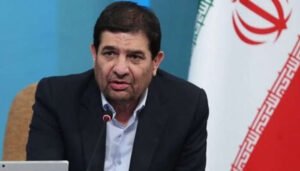
Iran’s Deputy President stressed that oil markets must remain fair and accessible to all nations, warning against selective restrictions. Meanwhile, Russia has offered to assist in facilitating negotiations between Tehran and Washington.
Elsewhere, geopolitical and economic anxieties are spreading. The United Arab Emirates has reportedly sought dollar support from the United States, fearing economic instability in case of war. The United Kingdom, however, rejected claims made by Trump regarding attacks on vessels in the Strait of Hormuz.
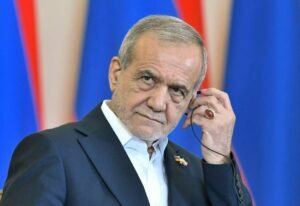
Pakistan’s Prime Minister reaffirmed the country’s commitment to peace, stating that all diplomatic channels would be utilized to de-escalate tensions. A high-level meeting chaired by the premier was also held after reports that Iran declined certain ceasefire proposals.
As uncertainty persists, global attention remains fixed on Islamabad, where the next round of talks could determine whether the crisis moves toward resolution or deeper confrontation.
About The Author