
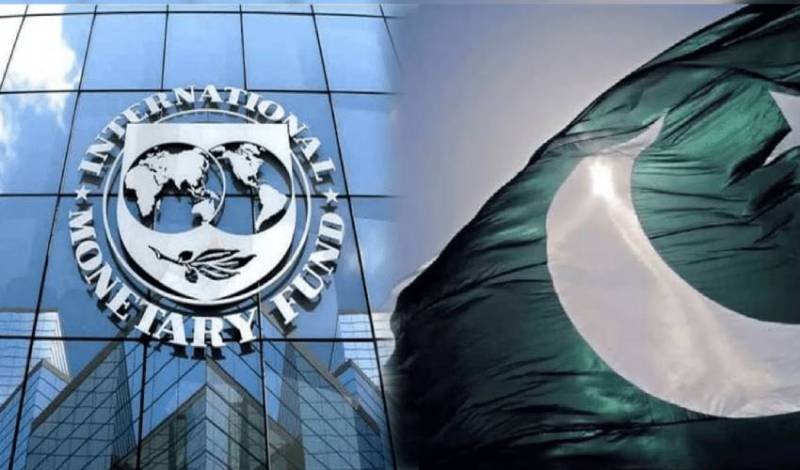

Pakistan has secured a significant financial lifeline after the International Monetary Fund approved the release of approximately $1.3 billion under its ongoing support programmes, but the relief comes with firm and far-reaching conditions that place pressure on domestic pricing and structural reforms.
The decision by the International Monetary Fund Executive Board includes the third review under the Extended Fund Facility (EFF) and the second review under the Resilience and Sustainability Facility (RSF), unlocking immediate disbursements of around $1.1 billion and $220 million respectively. With this latest tranche, total disbursements to Pakistan under the programmes have reached nearly $4.8 billion.
The IMF has made it clear that Pakistan must maintain petrol, electricity, and gas prices in line with actual costs, especially in a volatile global commodity environment. At the same time, it has stressed that targeted subsidies should be provided to protect vulnerable segments of society from rising living costs.
In its assessment, the Fund warned that energy sector reforms are critical for long-term stability. It called for stronger anti-corruption institutions, accelerated privatisation of state-owned enterprises, and the removal of unnecessary regulatory barriers to improve the business climate and boost competitiveness.
Economic projections shared by the IMF present a mixed outlook for Pakistan. Growth is expected to reach 3.5 percent in fiscal year 2027, while inflation may rise again to 8.4 percent. Foreign exchange reserves are projected to improve, reaching around $17.5 billion by June 2026, supported by continued reforms and external inflows. The IMF also anticipates a primary budget surplus of 1.6 percent of GDP in 2026.
Officials noted that despite geopolitical tensions in the Middle East, Pakistan has maintained progress under the reform programme, helping stabilize macroeconomic conditions and improve external financing flows. The IMF said such shocks underline the urgency of continuing strong policy discipline and accelerating structural adjustments.
Key policy priorities outlined include fiscal consolidation, strengthening public finances, enhancing productivity, expanding social protection systems, reforming state-owned enterprises, improving public service delivery, and restructuring the energy sector to ensure sustainability.
The 37-month EFF programme, approved in September 2024, is designed to stabilize Pakistan’s economy and lay the foundation for sustained growth. However, its success now hinges on the government’s ability to implement difficult reforms while balancing public pressure over rising utility and fuel costs.
About The Author