

A wave of solemn pride and patriotic emotion swept through Islamabad and Lahore as police institutions marked commemorations of “Marka-e-Haq, Operation Bunyan-um-Marsoos,” paying tribute to martyrs while reinforcing a message of unity, sacrifice, and national resilience.
The events, held across key police formations, highlighted both ceremonial respect for fallen heroes and operational readiness, reflecting how security institutions are shaping a broader narrative of national solidarity beyond the battlefield.
In Islamabad, Inspector General Syed Ali Nasir Rizvi led the central observance, describing the military’s role in the Battle of Haq as a defining moment in Pakistan’s national identity. He said the success of the armed forces had become a symbol of collective strength and pride, stressing that unity remains the foundation of national survival.
He further remarked that the spirit of “Bunyan-um-Marsoos” represents more than a military reference, calling it an ideology rooted in discipline, sacrifice, and cohesion. According to him, Pakistan’s response to any hostile intent would remain firm, with the nation emerging stronger under pressure.
Rizvi credited the armed forces’ leadership for what he termed a historic achievement and emphasized that Pakistan’s military capabilities had been demonstrated effectively during the operation, reinforcing confidence in national defense institutions.
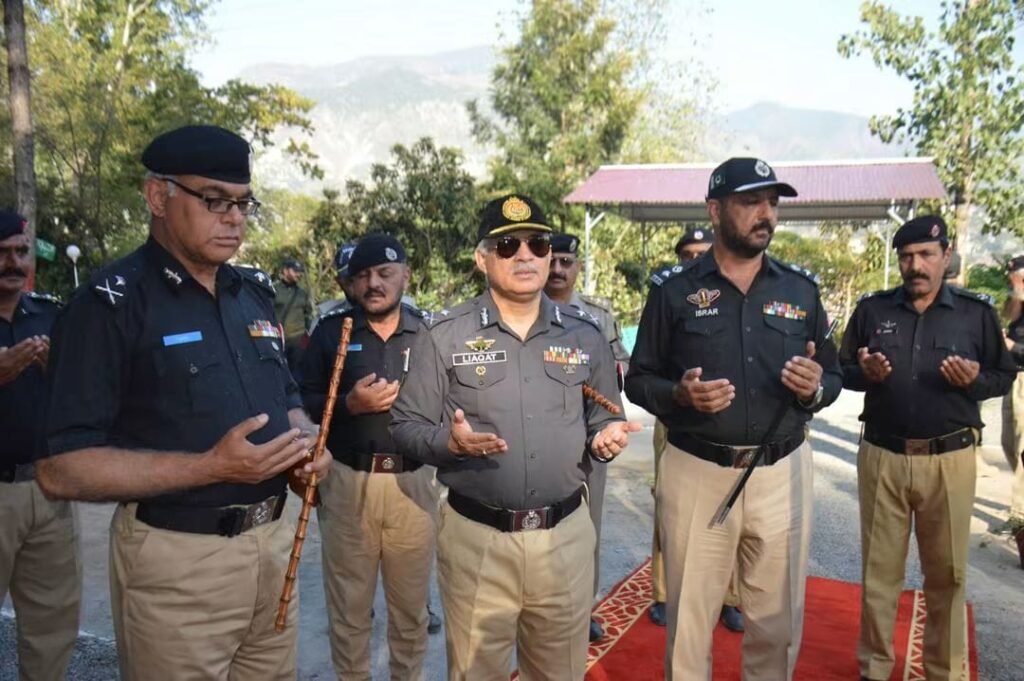
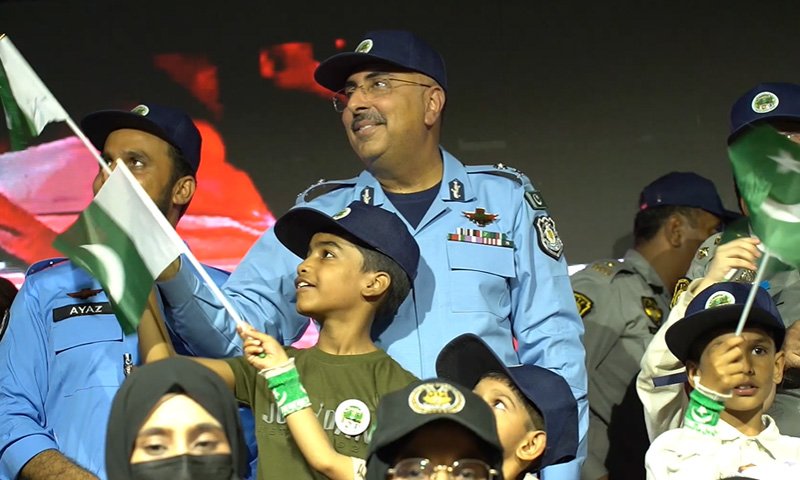
The Islamabad ceremonies included floral tributes, moments of silence for martyrs, and participation from senior police officers and personnel, all reaffirming institutional commitment to national security and remembrance of those who gave their lives in service.
Meanwhile in Lahore, security and traffic arrangements were tightly managed alongside commemorative activities. Chief Traffic Officer Syed Abdul Rahim Shirazi conducted field visits to major city points including Wagah Border, Faisal Chowk on Mall Road, Azadi Flyover, and Greater Iqbal Park to ensure smooth public movement.
Authorities confirmed the deployment of extensive personnel across the city, including multiple deputy inspectors, sector in-charges, and hundreds of traffic wardens under divisional supervision. The arrangements aimed to prevent congestion and maintain public facilitation during gatherings linked to the commemorations.
Officials assured citizens that no major traffic disruption would be allowed, emphasizing coordinated planning between law enforcement and traffic management units to ensure order and accessibility throughout the events.
The synchronized observances in both cities underscored a broader institutional effort to link remembrance of martyrs with public messaging on unity, discipline, and national resilience at a time of heightened symbolic significance.
About The Author