
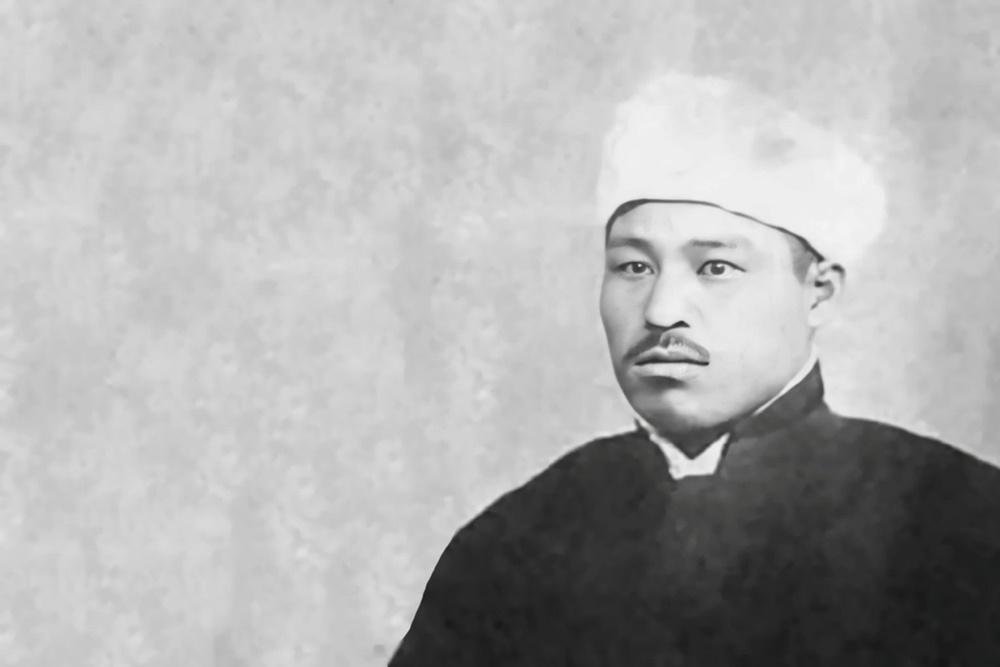

Umar Yamaoka is widely regarded as one of the earliest Japanese figures to embrace Islam and undertake the pilgrimage to Makkah. Born in 1880 as Matsutaro Yamaoka, he lived during a period when Japan was increasingly engaging with the wider world, opening pathways for cultural and intellectual exchange.
His transformative journey began in 1909 during travels across Asia, where he encountered prominent Muslim scholars and thinkers. Their teachings and the spiritual depth of Islamic traditions deeply influenced him, ultimately leading him to embrace Islam and adopt the name “Umar.”
Following his conversion, Umar Yamaoka traveled to the holy cities of Makkah and Madinah to perform Hajj, becoming one of the first known Japanese Muslims to complete the pilgrimage. Historical accounts also suggest that he was granted the rare honor of entering the Kaaba, a deeply significant spiritual privilege.
After returning to Japan, he dedicated his life to introducing Islam to Japanese society. He authored the first Japanese-language travel account of Hajj, offering readers in Japan a detailed glimpse into Islamic rituals, sacred sites, and the spiritual essence of pilgrimage.
He also contributed to early efforts of translating portions of the Holy Quran into Japanese, helping make Islamic teachings more accessible to local audiences. In 1938, he played a supporting role in initiatives related to mosque construction in Tokyo, marking an important step in establishing Islamic presence in Japan.
Umar Yamaoka passed away in 1959, but his legacy continues to hold historical importance. He is remembered as a pioneering figure who helped bridge cultural and religious understanding between Japan and the Muslim world, leaving behind a lasting spiritual and intellectual impact.
About The Author