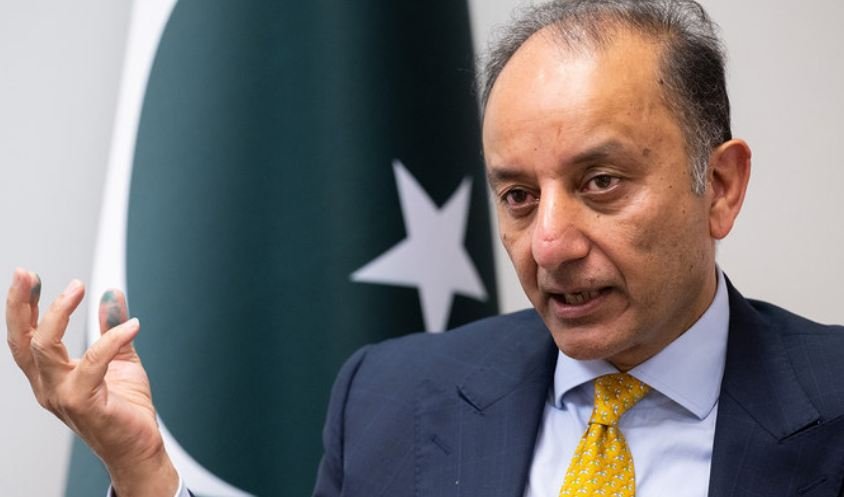

BAKU: Dr. Musadik Malik delivered a powerful warning to the international community at World Urban Forum 13, saying climate disasters are rapidly destroying decades of progress for vulnerable communities and pushing millions back into poverty.
Representing Pakistan at the global urban development forum, the federal minister for climate change and environmental coordination said the climate crisis is deeply connected to urban inequality, unsafe housing and social injustice. Addressing delegates under the forum’s theme, “Housing the World: Safe and Resilient Cities and Communities,” he stressed that poor communities continue to suffer the most despite contributing the least to global emissions.
Dr. Malik said families often spend generations escaping poverty, yet floods and extreme weather can erase years of progress within days because of weak and unsafe housing infrastructure. He described the issue as “not merely a housing crisis but fundamentally a crisis of justice.”
Highlighting Pakistan’s urban challenges, the minister noted that nearly half of the country’s estimated 240 million population now lives in urban areas, while around 55 percent of urban residents live in informal settlements and slums. He emphasized that slums represent real human lives rather than just policy statistics.
Referring to the devastating 2024 Karachi heatwave, Dr. Malik said temperatures reached 47 degrees Celsius and nearly 560 people reportedly died within a week, most of them belonging to poor and marginalized communities lacking access to healthcare, cooling systems and resilient infrastructure.
He also pointed to Pakistan’s recurring flood disasters, stating that approximately 6,000 people died in the country’s last four major floods, while nearly 40 million people were displaced. According to the minister, the destruction caused by climate disasters now exceeds the human toll of many wars and conflicts.
Calling for urgent global cooperation, Dr. Malik urged world leaders to place justice and inclusion at the center of urban planning policies. He said affordable housing must be treated as a basic right rather than a welfare measure and warned against turning sustainable housing into an investment-driven business model.
Concluding his address, the minister called for the proposed “Baku Call for Action” to prioritize vulnerable communities and promote equitable, resilient and climate-safe cities worldwide.
About The Author