
Pakistan’s Budget 2026-27 hangs on critical IMF negotiations as the government seeks approval for tax relief measures targeting salaried individuals, exporters, businesses, and investors while balancing ambitious revenue goals.
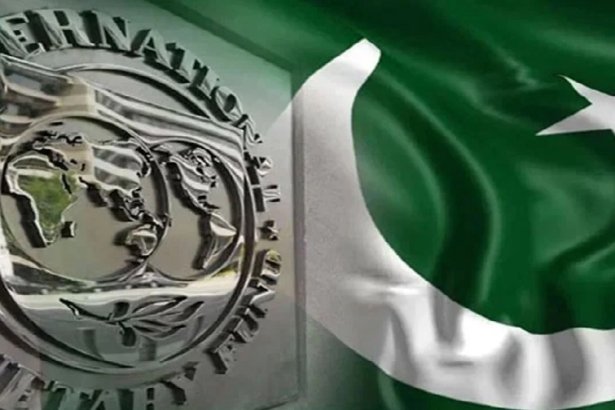
ISLAMABAD: Pakistan’s federal government is awaiting a final response from the International Monetary Fund (IMF) on a series of proposed tax relief measures before unveiling the Budget 2026-27, making ongoing negotiations a decisive factor in shaping the country’s fiscal roadmap.
Officials involved in the budget process say the government has completed much of its planning but remains engaged with the IMF over proposals designed to reduce the tax burden on key economic segments. The measures are intended to support growth, encourage investment, and provide relief to citizens facing persistent inflationary pressures.
Among the most significant proposals is a reduction in income tax rates for salaried employees through revised tax slabs. Policymakers believe the move would offer much-needed relief to middle-income earners struggling with rising living costs.
The government has also proposed a two-percentage-point cut in the super tax imposed on high-income individuals and corporations. Authorities expect the reduction to improve business sentiment and stimulate investment activity.
Exporters could also benefit if the IMF approves the withdrawal of the existing one percent advance income tax on exports, a step aimed at improving liquidity and enhancing Pakistan’s competitiveness in global markets.
In parallel, the government is considering incentives for the property and construction sectors to revive investment, create jobs, and support related industries. Proposed measures include tax concessions and regulatory easing to attract both local and overseas investors.
However, revenue generation remains a major challenge. Discussions continue over increasing the General Sales Tax (GST) on solar panels, hybrid vehicles, and more than 20 product categories to the standard 18 percent rate. At the same time, Islamabad is seeking to retain lower tax rates for electric vehicles, citing climate and energy goals linked to the $1.4 billion Resilience and Sustainability Facility programme.
The Federal Board of Revenue (FBR) has revised the current fiscal year’s revenue target to Rs13.428 trillion, while authorities are considering a much higher target of Rs15.264 trillion for 2026-27. Achieving that goal will require stronger tax compliance, administrative reforms, and a broader tax base.
As budget day approaches, the outcome of IMF negotiations is expected to determine the scale of tax relief and the government’s ability to balance economic growth with fiscal discipline.
About The Author