
Human rights organizations have voiced concern over escalating tensions in Azad Jammu and Kashmir (AJK) after authorities banned the Jammu and Kashmir Joint Awami Action Committee (JAAC), launched a crackdown on its members, and imposed a series of security measures across the region.
The AJK government on June 5 declared the JAAC a proscribed organization, accusing it of engaging in activities it described as harmful to public peace, security and regional stability. A day later, authorities arrested several leaders and activists linked to the group in multiple areas as part of an extensive enforcement operation.
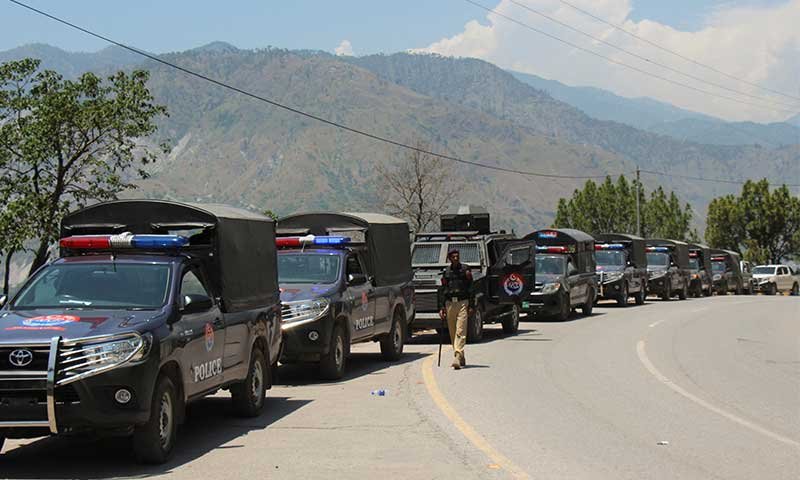
The situation intensified following violent clashes in Rawalakot, where official reports said at least four law enforcement personnel and seven civilians lost their lives. In response, the federal government deployed paramilitary forces to assist local authorities, while visitors were advised to postpone travel to the region until June 20.
The Human Rights Commission of Pakistan (HRCP) called for an immediate de-escalation of tensions and urged authorities to conduct impartial investigations into all reported deaths and injuries. The commission warned that banning popular political or social movements could narrow democratic space and emphasized that demands for constitutional and political reforms should be addressed through peaceful and democratic processes.
Amnesty International also raised concerns over the government’s actions, questioning the implications for freedom of association, access to information and the handling of public demonstrations. The organization criticized the decision to place the JAAC under anti-terrorism laws and expressed concern over reported communication restrictions, travel limitations and arrests of activists associated with the movement.
On June 9, authorities announced a reward of Rs10 million for information leading to the arrest of four wanted members of the banned organization. The Home Department directed law enforcement agencies to implement the reward scheme while ensuring the confidentiality of informants amid heightened security concerns.
According to Amnesty International, more than 100 individuals linked to the JAAC were detained during operations conducted on June 6 and 7. The rights group also highlighted reports of casualties among both protesters and police officers during the Rawalakot clashes and called for independent investigations into the incidents. It urged authorities to facilitate peaceful assembly and ensure any use of force complies with international standards.
The current unrest stems from a dispute between the JAAC and the AJK government over proposed electoral arrangements. Talks between both sides reportedly collapsed in late May, prompting the committee to announce a region-wide protest movement and strike campaign.
While the government maintains that the ban is necessary to preserve public order and security, JAAC leaders have rejected the allegations, describing the move as an attempt to suppress dissent. Meanwhile, security forces have continued operations in the region, including an intelligence-based raid in Muzaffarabad that resulted in the arrest of five suspects and the recovery of weapons and electronic equipment.
The crisis has also exposed divisions within the JAAC, with prominent member Syed Faisal Gilani publicly distancing himself from the group, while other leaders insist the movement remains peaceful and committed to democratic methods.
As tensions continue ahead of the July 27 elections, AJK Prime Minister Raja Faisal Mumtaz Rathore has called for dialogue. Political parties, civil society groups and human rights organizations have also urged restraint, transparent investigations and renewed negotiations to prevent further escalation in the region.
About The Author