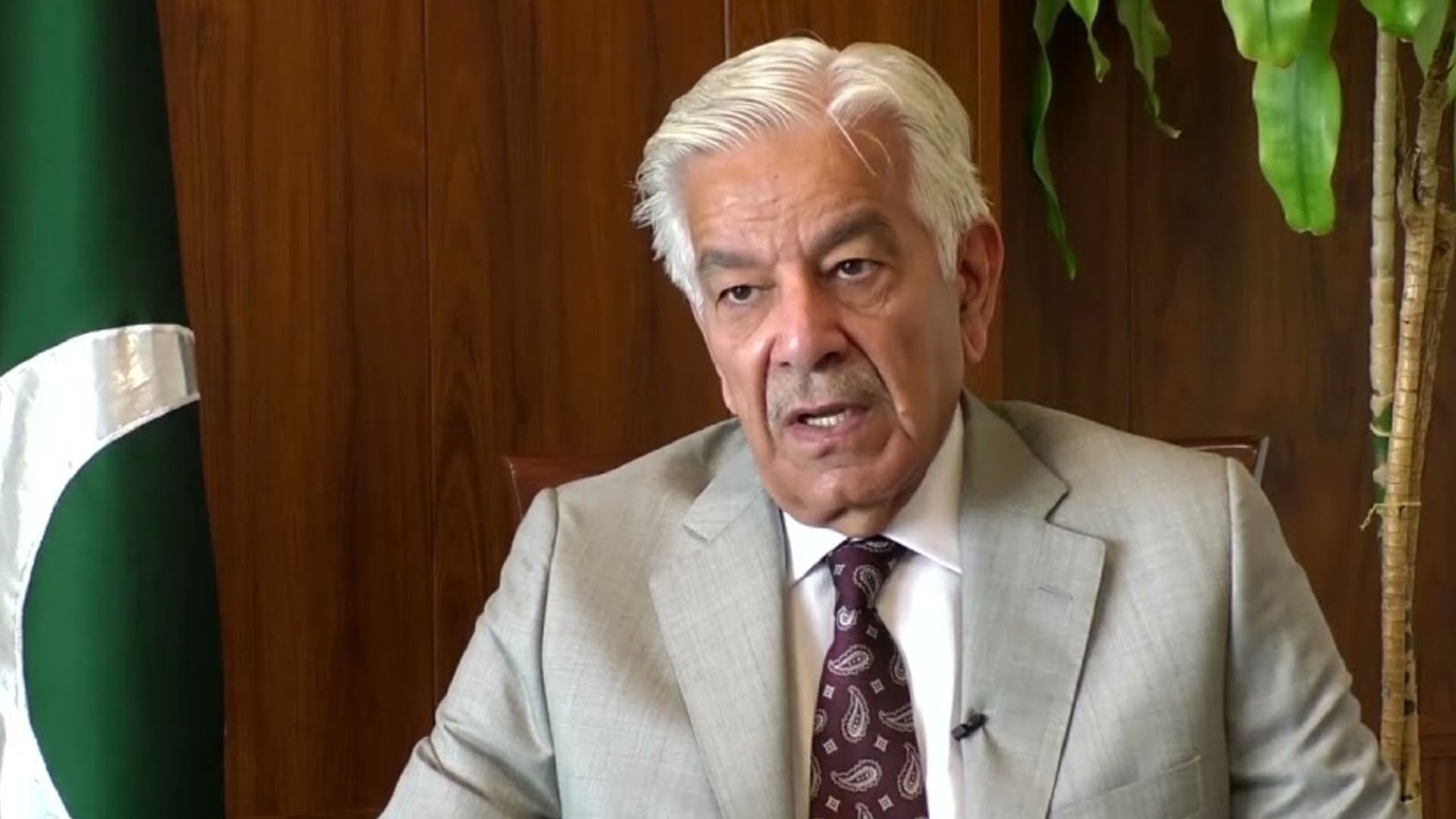

Defence Minister Khawaja Asif says Pakistan’s bureaucracy has remained largely beyond accountability and questions the unequal scrutiny faced by powerful groups.
ISLAMABAD: Defence Minister Khawaja Asif has launched a sharp criticism of Pakistan’s bureaucracy, describing senior officials as the country’s “real and permanent rulers” and questioning why they have historically faced less accountability than politicians.
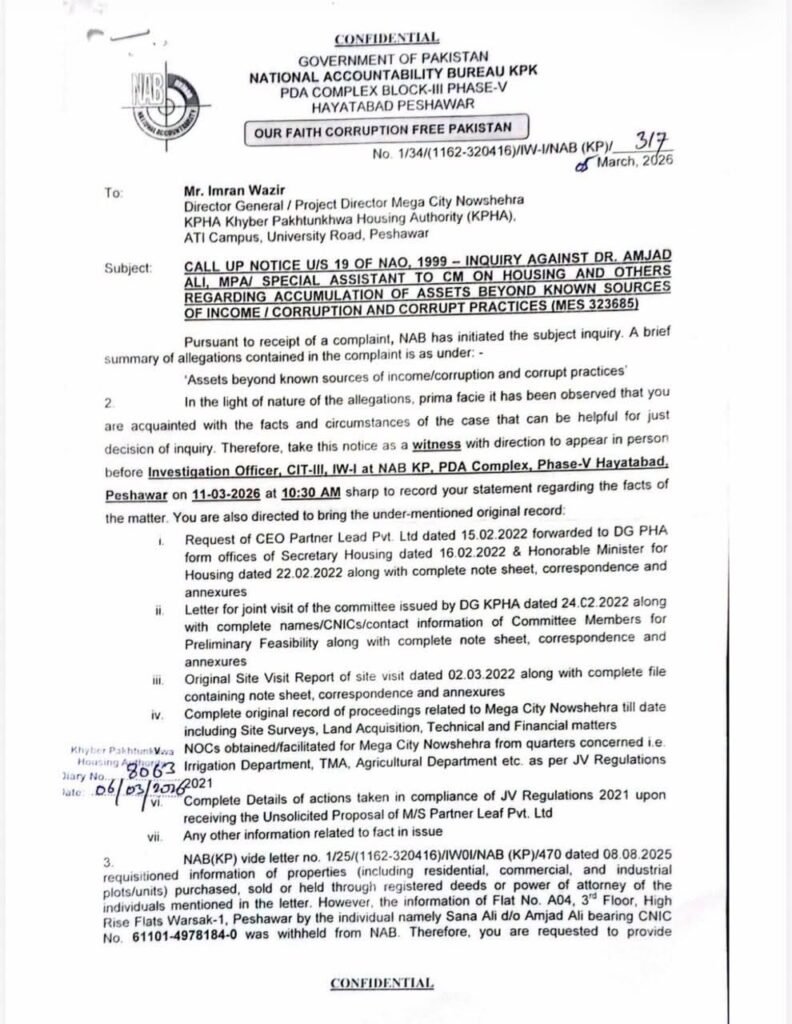
Asif made the remarks while sharing a social media post concerning alleged financial corruption involving a senior bureaucrat. His comments have renewed debate over the influence of the civil bureaucracy in Pakistan’s governance system and whether powerful officials are subjected to the same level of scrutiny as elected representatives.
The defence minister argued that politicians have repeatedly faced accountability throughout Pakistan’s 78-year history, while comparable examples involving senior bureaucrats are much harder to identify.
According to Asif, the bureaucracy has gradually developed into a powerful and largely untouchable class. He questioned why senior officials have not been subjected to accountability mechanisms with the same intensity applied to politicians and other influential groups.
The minister also acknowledged that political leaders themselves bear responsibility for the situation. He argued that successive politicians failed to establish an effective system capable of ensuring meaningful accountability within the bureaucracy.
While discussing the influence of senior officials, Asif also referred to a former bureaucratic ruler who, according to the minister, used highly inappropriate and insulting language against politicians. Despite such conduct, Asif said, political leaders continued to tolerate him.
His remarks point to a broader question about the balance of power between elected governments and the permanent administrative structure. Pakistan’s bureaucracy plays a central role in implementing government policies, managing public institutions and maintaining continuity when political governments change.
Asif’s criticism suggests that accountability, in his view, should not be limited to elected politicians. He called attention to the need for a system in which all powerful groups, including senior bureaucrats, are subject to effective oversight.
About The Author