

Pakistan’s rooftop solar reforms and electricity tariff overhaul spark debate over who bears the cost
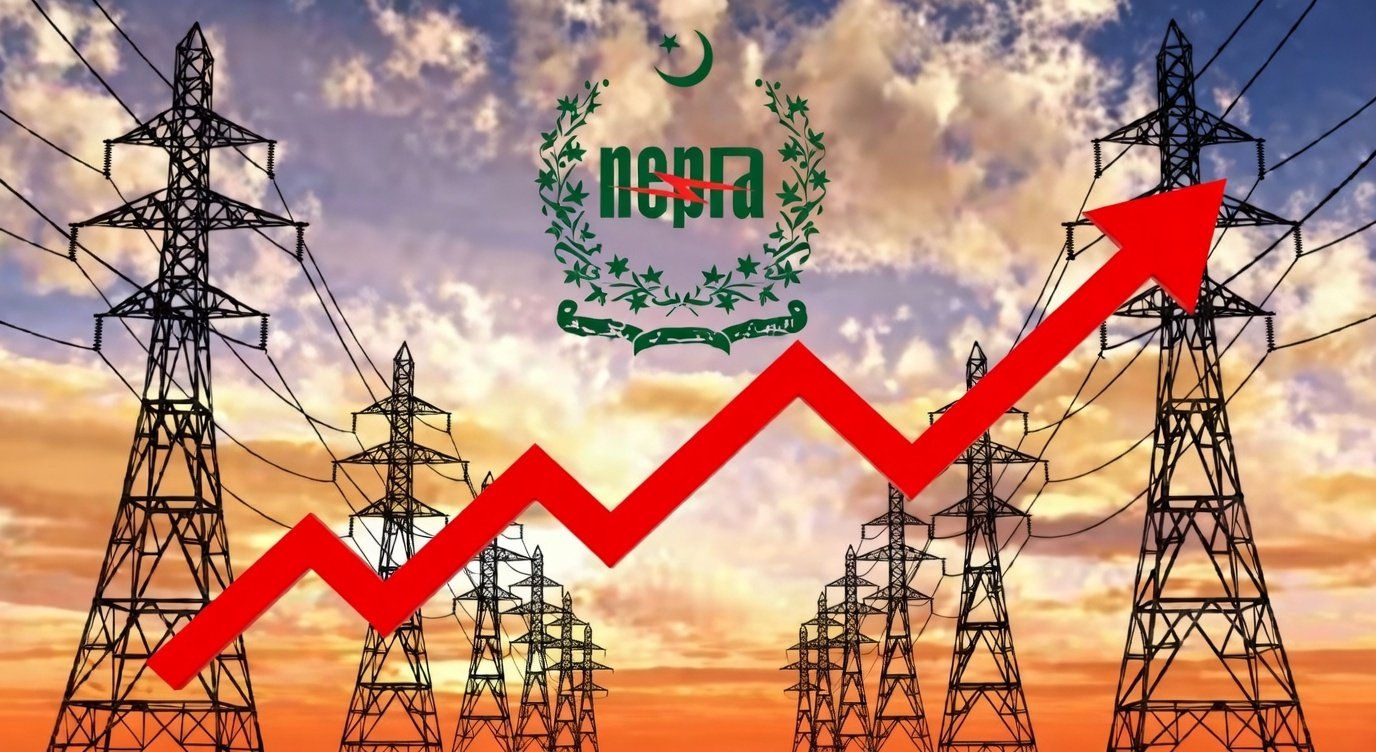
Islamabad: Pakistan’s power sector is facing a pivotal moment as regulators and policymakers implement sweeping changes to rooftop solar rules and electricity tariffs. The National Electric Power Regulatory Authority (NEPRA) has replaced the decade-old net metering system with a “net billing” framework under the Prosumer Regulations 2026. Surplus solar electricity will now be purchased at the National Average Energy Purchase Price of roughly Rs 10–11 per unit, while consumers continue to pay up to Rs 37–55 per unit for grid electricity.
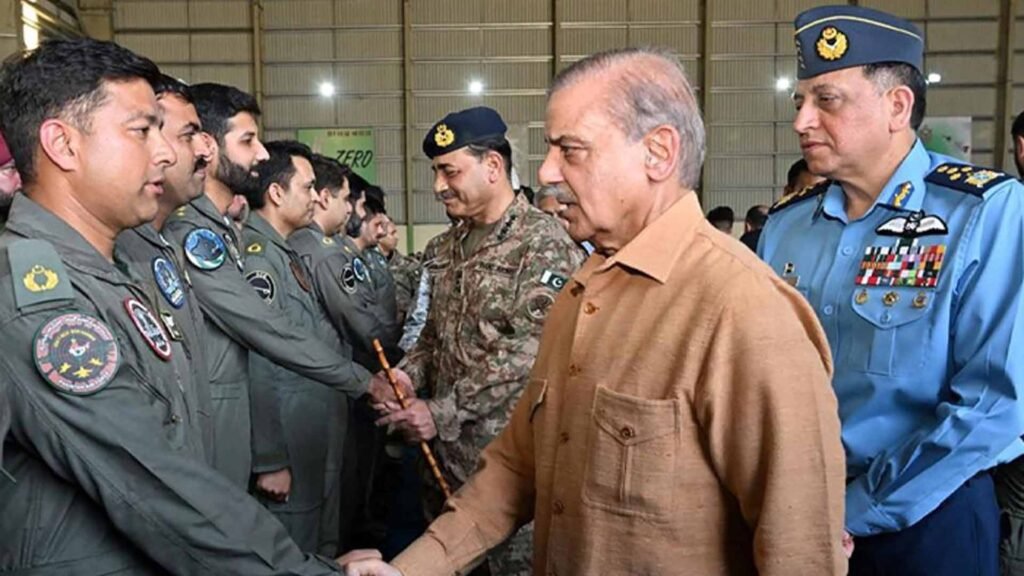
Fixed charges for 28.5 million residential consumers, totaling approximately Rs 132 billion, have also been introduced, pushing effective per-unit costs sharply higher for lower and middle-income households. Lawmakers have criticised the move, prompting Prime Minister Shehbaz Sharif to direct a review to safeguard existing solar contracts.
The reforms aim to stabilise a financially strained power system and align with International Monetary Fund (IMF) objectives on cost-reflective tariffs and reduced subsidies. However, analysts warn that protecting current solar users while making new installations less attractive could slow solar adoption and complicate revenue recovery, raising questions about how the sector’s fixed costs will be fairly distributed among consumers, solar users, or the state.
About The Author