

Legal reforms reduce bureaucratic control, placing industry leaders at the forefront of export policy decisions
ISLAMABAD: The government of Pakistan has reconstituted the board overseeing the Export Development Fund (EDF), shifting control from senior bureaucrats to private-sector leaders in a move aimed at boosting efficiency and promoting export growth.
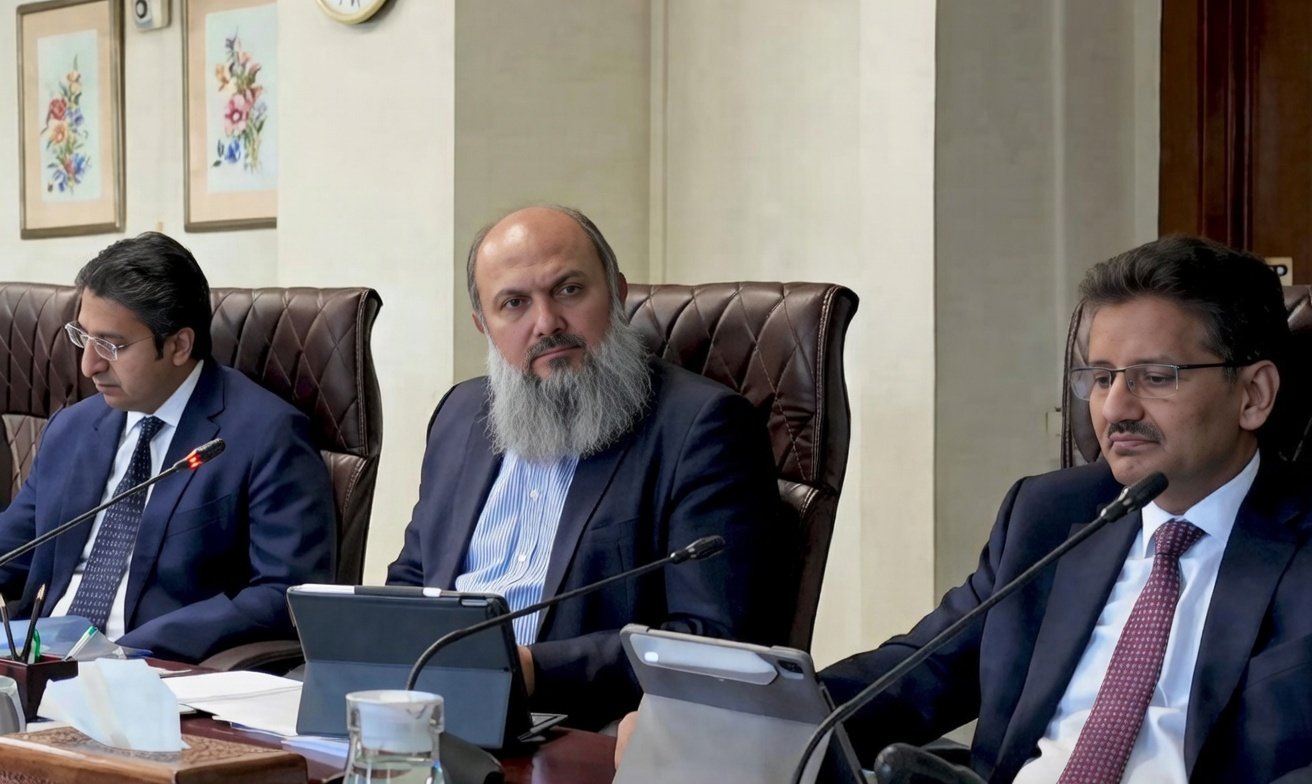
Under a new notification, Omer Saeed, CEO of Service Long March Tyres Limited, has been appointed chairman of the 22-member board. The restructuring follows recent amendments to the EDF Act, introduced on the advice of the prime minister’s review panel. The amendments eliminated the posts of chairman and vice chairman previously held by Commerce Minister Jam Kamal Khan and the commerce secretary, signaling a sharp reduction in government oversight.
The revamped board is now dominated by private-sector representatives from leading industries, including textiles, rice, meat, pharmaceuticals, IT, agriculture, and surgical and sports goods manufacturing. Government officials now occupy only six seats, including finance, commerce, industries, and national food security secretaries, alongside the heads of the EDF and Trade Development Authority of Pakistan.
The legal changes were guided by recommendations from nine private-sector advisory groups aiming to reduce red tape, strengthen governance, and improve fund management. The government has also scrapped the 0.25% export surcharge that financed the EDF and ordered a third-party audit to ensure transparency.
The EDF recently approved Rs 15 billion in support for rice exporters, offering rebates of 3% to 9% amid declining global demand. The restructured board will now focus on evaluating ongoing and completed projects, capacity building, and overhauling governance mechanisms, potentially transforming the EDF into a non-profit body better equipped to drive export-led growth.
About The Author