

Rising tensions in the Middle East as US, Israel, and Iran exchange strikes; civilians and bases on high alert
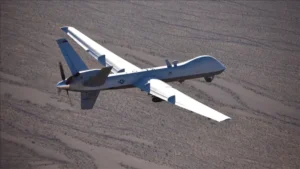
A sharp escalation in the Middle East erupted over the weekend as coordinated U.S. and Israeli airstrikes targeted Iranian military sites, prompting Iranian missile and drone retaliations against Israel and U.S. installations in the Gulf. Iranian state media reported activation of air defenses over Bandar Abbas, while southern Israel sounded air-raid sirens following suspected drone infiltrations.
The Islamic Revolutionary Guard Corps (IRGC) vowed continued attacks on U.S. and Israeli targets after leadership compounds and key air-defense positions in Iran were reportedly hit. Reports indicate that Iran’s Supreme Leader Ali Khamenei suffered significant casualties during the strikes, fueling fears of a wider regional conflict.
Militia factions aligned with Tehran claimed responsibility for drone attacks on U.S. facilities near Erbil, Iraq, though independent verification is pending. Civilian populations in Israel and Iran remain on high alert as airspace closures and missile warnings disrupt daily life.
Analysts warn that the intensifying exchanges, including retaliatory strikes and proxy attacks, could further destabilize the region, drawing in additional actors. Official confirmations of casualties and damage remain limited, but the pattern of escalation suggests a protracted confrontation with growing humanitarian and strategic risks.
About The Author