

Cabinet committee fast-tracks weekly pricing, compensation plan and alternative import routes as global oil trade faces mounting volatility
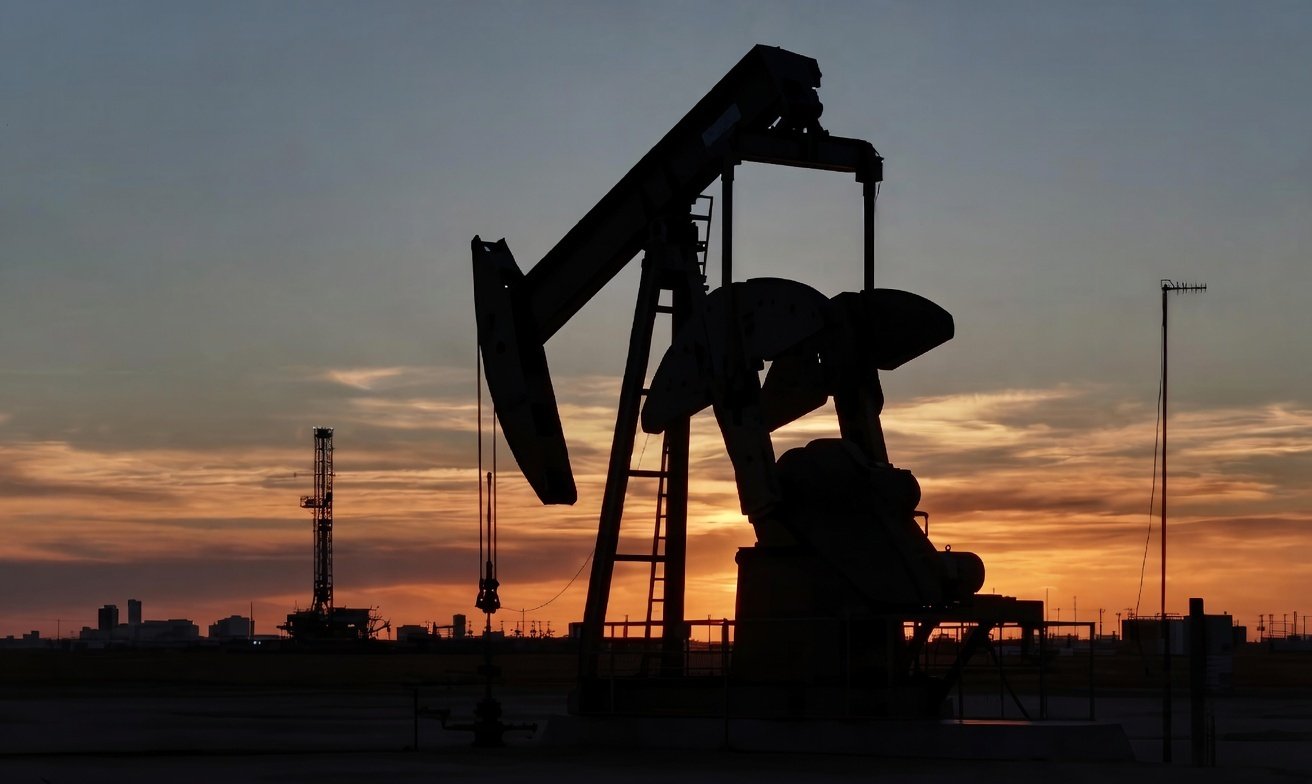
ISLAMABAD: Pakistan is preparing emergency steps to stabilise its petroleum market after trade flows slowed due to disruptions in the Strait of Hormuz, raising fears of sharp fuel price increases.
Officials said a summary of proposals will be placed before the federal cabinet’s Economic Coordination Committee (ECC) for urgent approval. Key measures include shifting petroleum price revisions from a fortnightly to a weekly basis, compensating oil companies for surging import and insurance costs, and promoting energy conservation initiatives such as work-from-home policies.
State-run Pakistan State Oil (PSO) has issued fresh tenders for petrol and diesel imports via alternative routes, bypassing the Strait. Authorities say the move is precautionary, as fuel reserves remain comfortable.
According to the Oil and Gas Regulatory Authority (OGRA), petrol and diesel stocks exceed 500,000 tones enough for nearly four weeks of demand. However, diesel supplies are considered more vulnerable due to reliance on shipments passing through the strait.
Insurance premiums have reportedly surged from $30,000 to $400,000 per vessel, while freight costs have climbed past $4 million, placing heavy pressure on oil marketing companies.
Finance Minister Muhammad Aurangzeb chaired a cabinet committee meeting to assess reserves and global energy trends. Officials said maintaining uninterrupted supply and preventing hoarding remain top priorities as global energy uncertainty persists.
About The Author