
Beijing prioritizes quality over speed as it tackles industrial overcapacity and geopolitical headwinds
China has set an economic growth target of 4.5 to 5 percent for 2026, signaling a strategic shift toward sustainable expansion as policymakers confront domestic structural challenges and intensifying global competition.
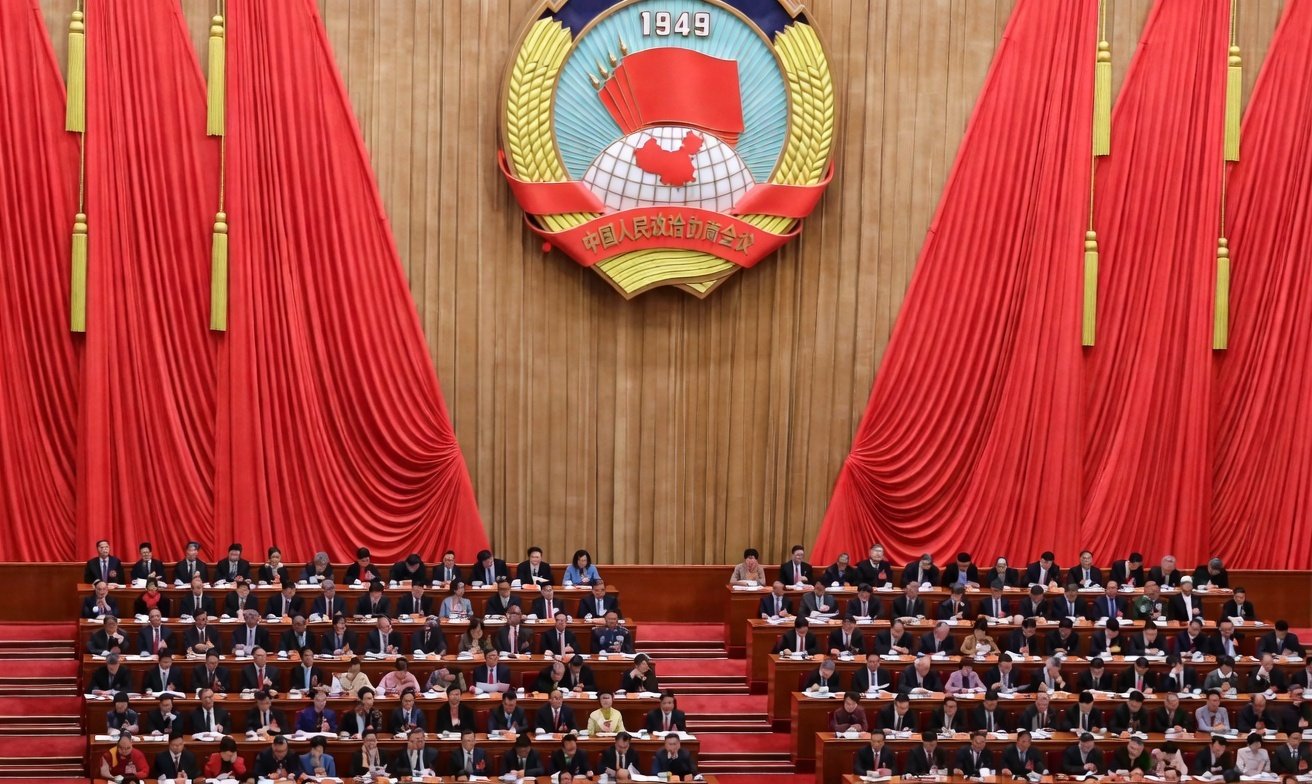
The target was announced at the opening of the National People’s Congress, where officials outlined plans to prioritize economic rebalancing over rapid headline growth. The range marks a slight decline from last year’s roughly 5 percent expansion, underscoring a cautious but deliberate policy recalibration.
Analysts say the moderated goal gives Beijing room to tackle persistent industrial overcapacity and rein in inefficient “zombie” enterprises, particularly in sectors such as steel and electric vehicles that have fueled trade tensions. By lowering the benchmark, authorities can focus on structural reforms without the pressure of meeting an aggressive GDP figure.
The shift also reflects China’s effort to transition from debt-fueled infrastructure and property development toward a consumption-driven model anchored in household spending. Economists note that while the adjustment is meaningful, deeper reforms may still be required to resolve long-standing imbalances.
Externally, the recalibration comes as rivalry with the United States intensifies, with expanding export controls and investment restrictions in critical technologies. Beijing has responded by accelerating its drive for technological self-reliance.
About The Author