

High defense spending, sorties and economic disruption raise questions about sustainability amid intensifying conflict
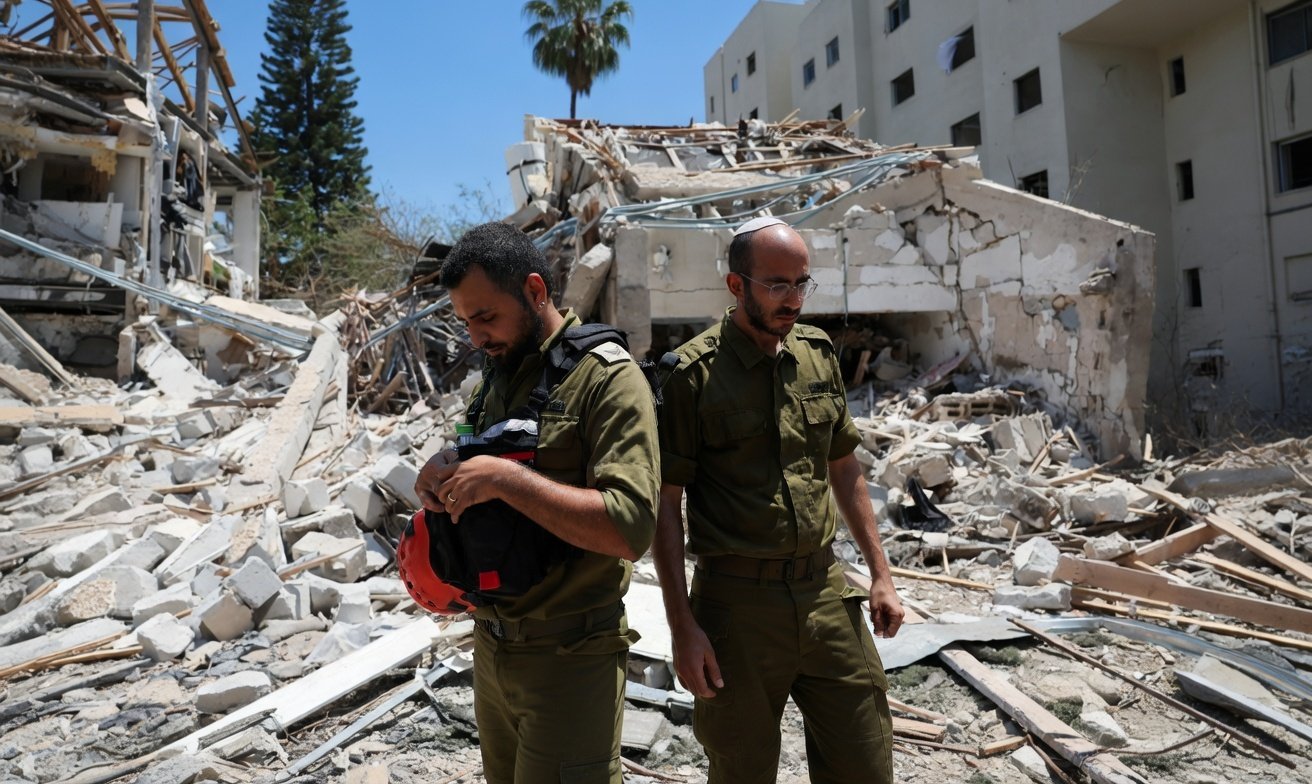
JERUSALEM: Israel’s expanding air campaign against Iran is generating significant economic strain, rivaling or even exceeding costs seen in the June 2025 conflict, Israeli media report.
Israeli Defense Forces data show that roughly 4,000 munitions have been launched in the first week of “Operation Roaring Lion” about the total used in the entire 12‑day war last year. Sorties flown by the Israeli Air Force are currently three times higher than during the June conflict.
Defense officials are working with major defense firms on increased munitions production, underscoring the campaign’s economic weight. Each interceptor missile used against Iranian launches costs millions of dollars, and analysts say the heavy use of expensive systems is exacerbating national expenditure.
Beyond military hardware, nationwide alerts and restrictions are taking a toll on daily life and the economy. Israel’s Finance Ministry has warned that ongoing wartime conditions could be costing up to 9 billion shekels (about $3 billion) per week in lost economic output and limited commercial activity.
The conflict is also contributing to global market jitters. Analysts note that broader tensions in the Middle East – particularly around energy markets – risk slowing international economic growth.
While Iranian missile attacks remain comparatively limited, the rapid escalation in Israeli operations raises questions about whether the strategic and economic price of the offensive approach is sustainable over the longer term.
About The Author