
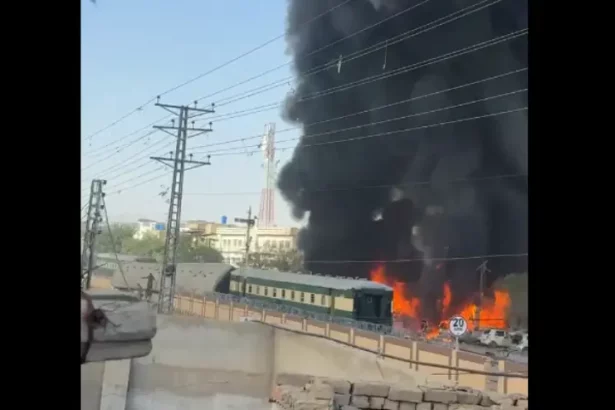

A devastating explosion that tore through a passenger shuttle train near Chaman Phatak in Quetta on Sunday morning has once again exposed the fragile security situation in Balochistan, as investigators race to determine who was behind one of the deadliest railway attacks in recent months.
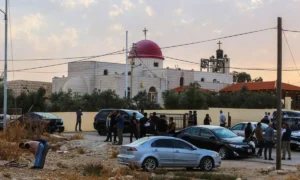
The blast killed at least 24 people and injured more than 50 others after the train travelling from Quetta Cantonment to the city’s main railway station was struck shortly after 8am. The explosion derailed multiple coaches, overturned bogies and triggered panic across nearby neighborhoods as thick smoke and flames engulfed the area.
Authorities have not yet officially identified the perpetrators, and no group had immediately claimed responsibility by Sunday evening. However, security officials and provincial authorities strongly indicated that militant organizations operating in Balochistan are the prime suspects behind the attack.
Balochistan Chief Minister Mir Sarfraz Bugti blamed “terrorist elements” for targeting innocent civilians and vowed an aggressive response against militant networks and their facilitators. Government officials described the attack as an attempt to destabilize the province and spread fear among the public.
The nature of the explosion remains under investigation. Bomb disposal teams and Counter-Terrorism Department officials are examining whether an improvised explosive device was planted on the railway track or hidden inside the train before departure. Initial reports also suggested gunfire erupted moments after the blast, raising fears of a coordinated assault.
Security analysts say the attack bears similarities to previous insurgent operations carried out by separatist militant groups active in Balochistan, particularly those targeting railway infrastructure, security convoys and public transport. In recent years, railway tracks, gas pipelines and passenger buses in the province have repeatedly come under attack.
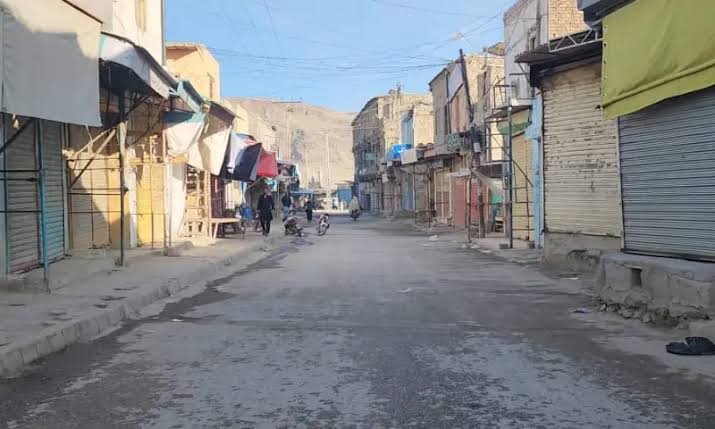
The incident comes amid heightened security tensions in the province, where militant violence has intensified despite ongoing counterterrorism operations. Quetta, which serves as a major administrative and military hub, has witnessed several attacks in recent years targeting civilians, security forces and transport systems.
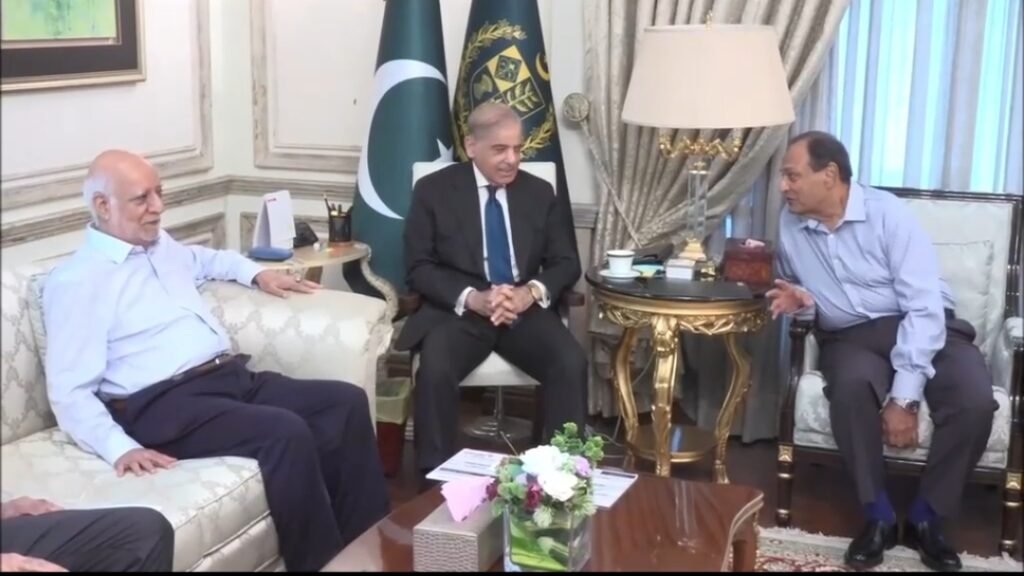
Prime Minister Shehbaz Sharif condemned the explosion and assured full medical assistance for the injured, while Railways Minister Hanif Abbasi called the incident a cowardly act of terrorism aimed at disrupting national stability.
Meanwhile, rescue and clearance operations continued throughout the day as emergency teams transported victims to hospitals across Quetta. Pakistan Railways said track restoration work would begin after security clearance and forensic inspections were completed.
Investigators are expected to release preliminary findings in the coming days, but the attack has already reignited concerns over passenger safety and the growing threat posed by militant violence in Balochistan.
About The Author