
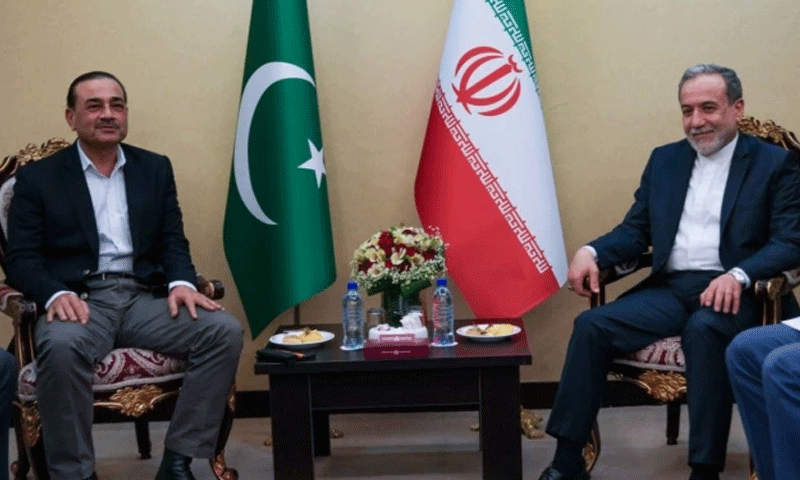

TEHRAN: Pakistan has stepped up its diplomatic engagement to prevent a wider regional conflict, as Chief of Army Staff and Chief of Defence Forces Syed Asim Munir held critical talks with Iranian Foreign Minister Abbas Araghchi in Tehran late Friday night amid rising tensions between Iran and the United States.
The high-level meeting came at a sensitive moment when Washington is reportedly reviewing military options if ongoing indirect negotiations with Tehran collapse. According to Iranian state media, both sides exchanged views on regional de-escalation efforts and diplomatic initiatives aimed at preventing further escalation and securing a long-term resolution to the ongoing Iran crisis.
The arrival of Field Marshal Munir in Tehran was confirmed by the Inter-Services Public Relations. He was received by Iranian Interior Minister Eskandar Momeni alongside Pakistan’s Interior Minister Mohsin Naqvi, highlighting Islamabad’s increasingly active mediating role in regional diplomacy.
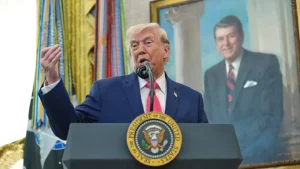
The diplomatic engagement coincided with reports from Washington suggesting that the administration of Donald Trump is preparing for multiple scenarios should the current diplomatic track fail. Trump abruptly cancelled his Memorial Day weekend plans and returned to the White House, citing urgent government-related circumstances.
White House spokesperson Anna Kelly reiterated that the United States remains committed to preventing Iran from acquiring nuclear weapons, warning that all options remain on the table. Meanwhile, US defence officials have reportedly started reviewing overseas personnel recall plans and adjusting troop deployments across the Middle East.
Iran is expected to deliver its response soon to a comprehensive US proposal reportedly conveyed through Pakistani intermediaries. However, tensions remain high after the Islamic Revolutionary Guard Corps warned that any fresh strikes by the US or Israel could trigger a broader regional confrontation.
The rapidly evolving situation has also prompted intense diplomatic consultations across the region. Turkish Foreign Minister Hakan Fidan held separate discussions with Araghchi, Qatari Prime Minister Mohammed bin Abdulrahman Al Thani, and Pakistani mediators to assess the latest developments in Tehran-Washington negotiations.
Although a temporary ceasefire brokered by Pakistan on April 8 helped halt direct strikes following the severe escalations earlier this year, diplomatic observers believe achieving a permanent settlement remains a major challenge. Earlier tensions had even led to the temporary disruption of activity around the strategically vital Strait of Hormuz, raising fears of global energy supply shocks.
US Secretary of State Marco Rubio acknowledged that some progress had been made during negotiations but stressed that “more work is required.” At the same time, Iran’s foreign ministry warned that significant differences between Tehran and Washington continue to hinder a breakthrough agreement.
About The Author