

Army leadership reviews security landscape, rejects cross-border allegations, and reinforces commitment to dismantling terror infrastructure.
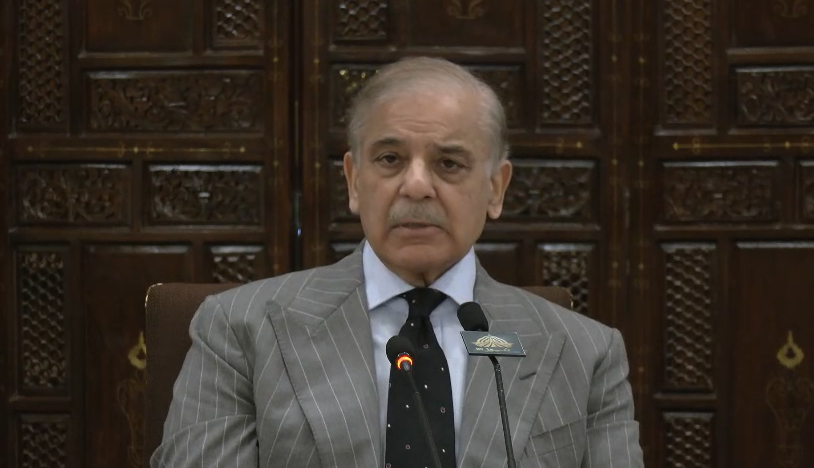
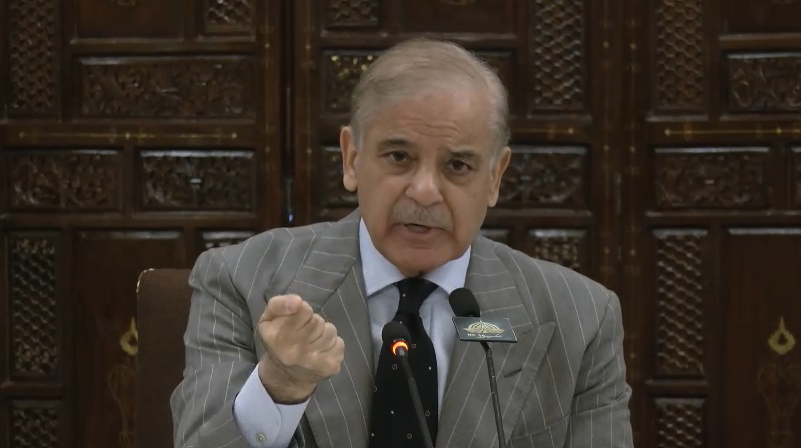
RAWALPINDI: Pakistan’s top military leadership has issued a firm and unambiguous message against terrorism, vowing to dismantle militant networks while rejecting what it described as “coordinated propaganda” linked to the Afghan Taliban, according to an official statement released after a high-level security meeting.
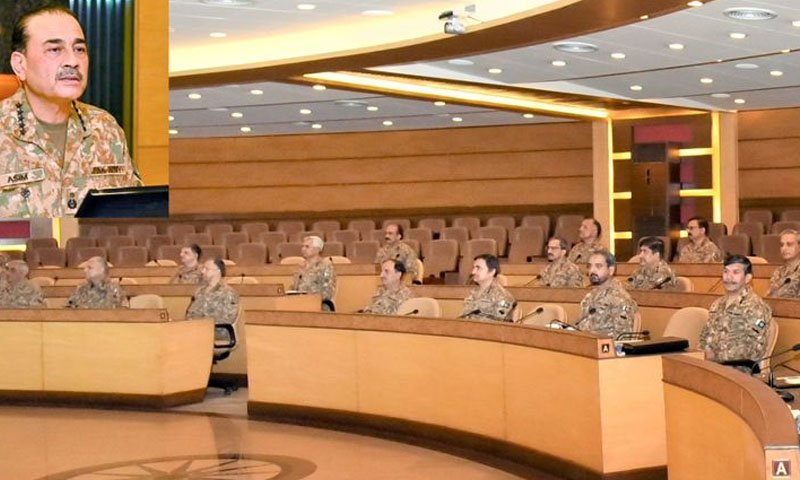
The 275th Corps Commanders’ Conference (CCC), held at General Headquarters (GHQ) in Rawalpindi and chaired by Chief of Army Staff Field Marshal Syed Asim Munir, focused on the country’s evolving internal and external security dynamics. The forum conducted a comprehensive review of operational preparedness, counter-terrorism frameworks, and emerging regional threats.
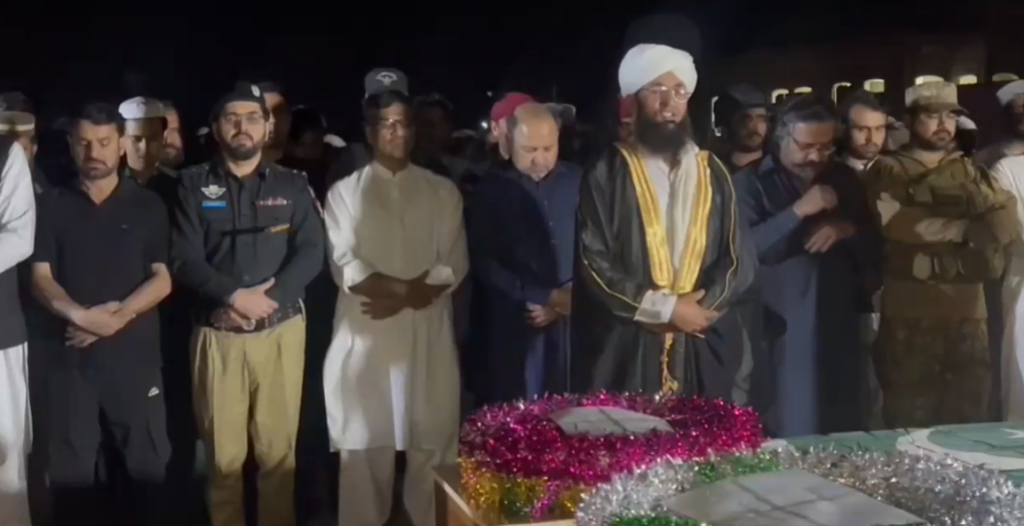
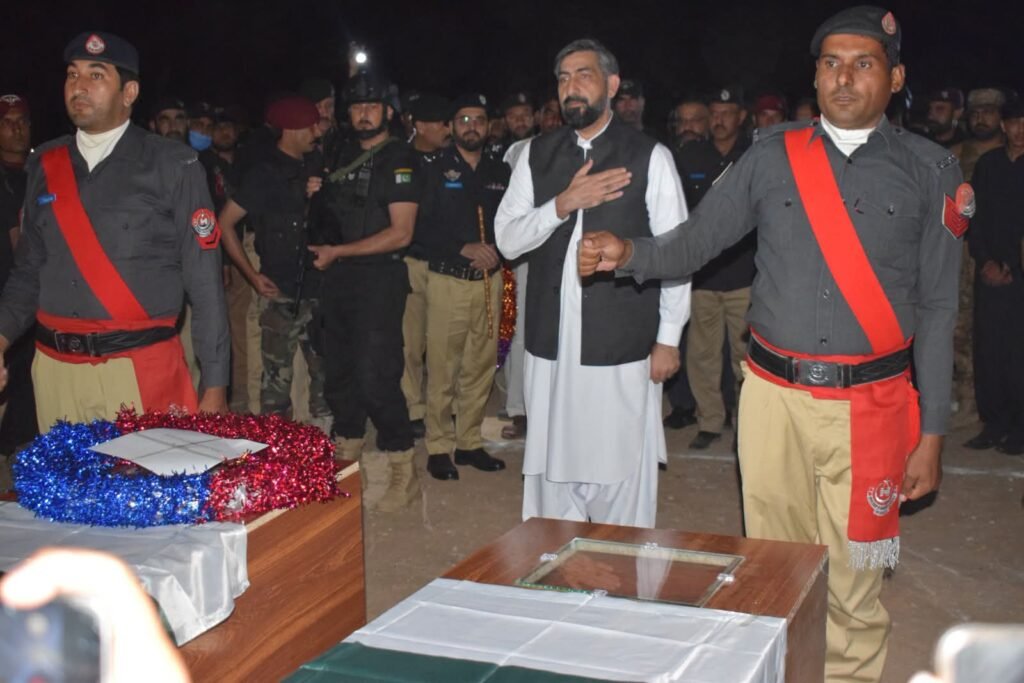
The military leadership paid tribute to the sacrifices of armed forces personnel, law enforcement agencies, and civilians, reaffirming that their contributions remain foundational to Pakistan’s national resilience and security architecture.
Expressing satisfaction over the armed forces’ operational readiness, Munir commended field commanders for maintaining vigilance and successfully executing intelligence-based operations across multiple regions. The forum emphasized sustaining the current operational momentum to dismantle terrorist networks, disrupt their logistics, and deny them operational space within Pakistan.
The conference noted continued gains under ongoing counter-terror operations, particularly Operation Ghazab lil-Haq, highlighting the disruption of militant infrastructure and support systems. However, it raised concerns over what it termed the Afghan Taliban regime’s policy of providing safe havens to extremist elements, warning that such actions are destabilizing for the region and contrary to Afghanistan’s own national interests.
In a strong rebuttal, the forum rejected allegations accusing Pakistan of targeting civilians inside Afghanistan, calling them part of a broader disinformation campaign. Military officials described these claims as an attempt to divert attention from governance challenges, asserting that Pakistan’s actions are “precise, targeted, and exclusively aimed at terrorist hideouts and infiltrators.”
The commanders also reviewed broader geopolitical developments in South and West Asia, stressing the importance of restraint and diplomatic engagement to maintain regional stability. Pakistan, the forum noted, remains committed to playing a constructive role in de-escalation efforts.
The meeting also marked the first anniversary of “Marka-e-Haq,” described as a symbol of national unity and resilience. The leadership said the commemoration reflects a collective resolve to safeguard sovereignty under the principle of “Bunyanum Marsoos,” standing united against all threats.
Additionally, the forum strongly condemned ongoing human rights violations in Indian Illegally Occupied Jammu and Kashmir (IIOJK), reiterating Pakistan’s continued diplomatic, political, and moral support for the Kashmiri people.
Concluding the session, the army chief directed commanders to maintain heightened vigilance and adaptability, emphasizing the need for integrated responses to both conventional and hybrid threats in an increasingly complex security environment.
About The Author